[caption id="attachment_1418" align="alignleft" width="128"] American Flag[/caption]
The American way of life or simply the American way is the unique lifestyle of the people of the United States of America. It refers to a nationalist ethos that adheres to the principle of life, liberty and the pursuit of happiness. At the center of the American way is the American Dream that upward mobility is achievable by any American through hard work. This concept is intertwined with the concept of American exceptionalism, the belief in the unique culture of the nation
Reading Time : 3minutesAnthropic’s long-awaited public debut was meant to reassure investors, but it instead exposed the market’s growing unease with AI valuations. As the Nasdaq erased its 2026 gains, the company’s shares slipped below their opening-day highs, raising a sharper question: is the AI trade entering a necessary reset, or is confidence in the sector beginning to fracture?
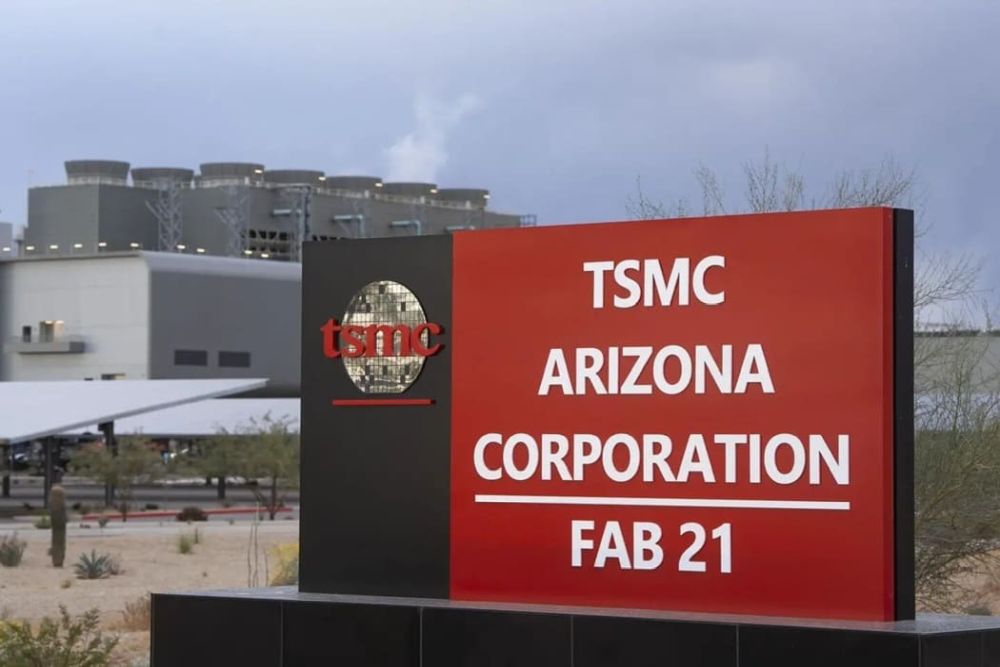
Reading Time : 3minutesTSMC received a record NT$167.6 billion in government subsidies in the first nine months of 2026, with almost all of it arriving in the third quarter. As its Arizona operation turned sharply profitable, the figures raise a larger question: how much of the chipmaker’s global expansion is being financed by taxpayers, and what do governments receive in return?
Reading Time : 3minutesTaiwan’s market plunge reflects a global chain reaction: doubts about U.S. AI data-center growth hit chipmakers first, then Taiwan’s semiconductor supply chain, and finally the broader TAIEX. With TSMC dominating the index, a shift in AI expectations can quickly become a market-wide event, exposing both the strength and concentration risk of Taiwan’s technology-led economy.
Reading Time : 2minutesThe global oil market may have returned to surplus as Middle Eastern exports recover and demand weakens under high fuel prices. Rising output in Latin America and stronger crude imports add to the evidence, but elevated prices suggest traders still fear renewed disruption around key shipping routes.
Reading Time : 3minutesOil is still leaving the Gulf, but the price of moving it has become extraordinary. Tanker freight from the Middle East to Asia now exceeds $37 per barrel, more than five times prewar levels, as congestion, rerouting and ship-to-ship transfers strain the global fleet. Asian refiners are feeling the squeeze first, with margins turning negative and few cheap alternatives left.
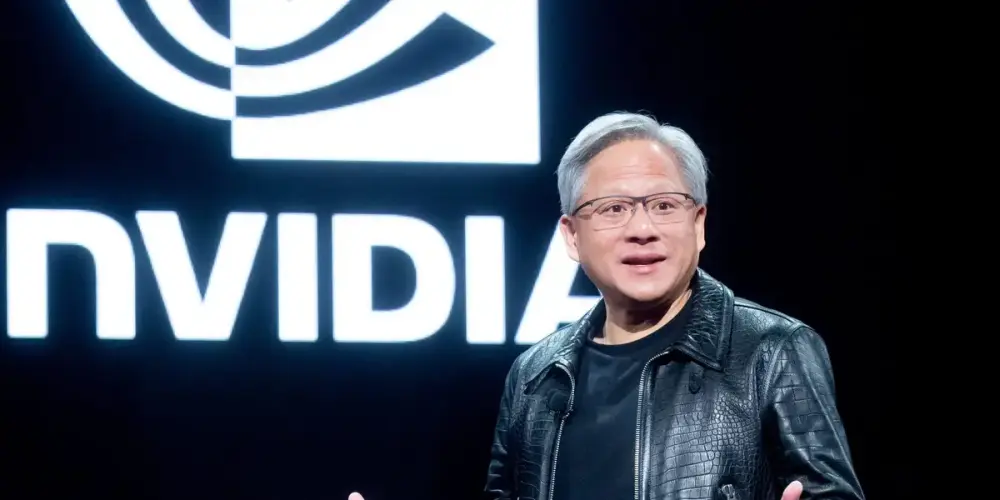
Reading Time : 3minutesJensen Huang has issued a blunt warning: artificial intelligence may become powerful and dangerous, and the United States and China cannot manage that risk alone. His call for direct dialogue between governments and researchers lands amid rising tech rivalry, export controls, and a new British push to fund AI safety research.
Reading Time : 2minutesAI is changing more than software. It is redrawing the strategic map of the US-China rivalry, turning chips, models, data, and markets into instruments of power. As Washington restricts access and Beijing expands its reach, both sides face an uncomfortable truth: technological dependence can become leverage for the rival it was meant to contain.
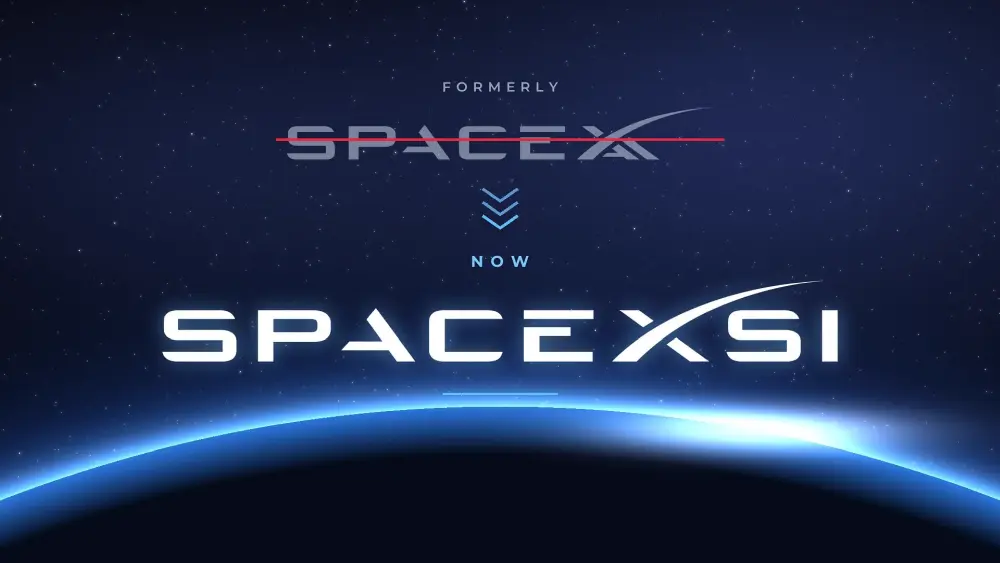
Reading Time : 2minutesElon Musk says SpaceXAI will become SpaceXSI, adopting President Trump’s federal push to call artificial intelligence “Super Intelligence.” The rebrand would be the company’s third name this year, though Musk has offered no timeline or details. It is a strikingly confident move: rename the technology first, and let actual superintelligence catch up whenever it feels ready.
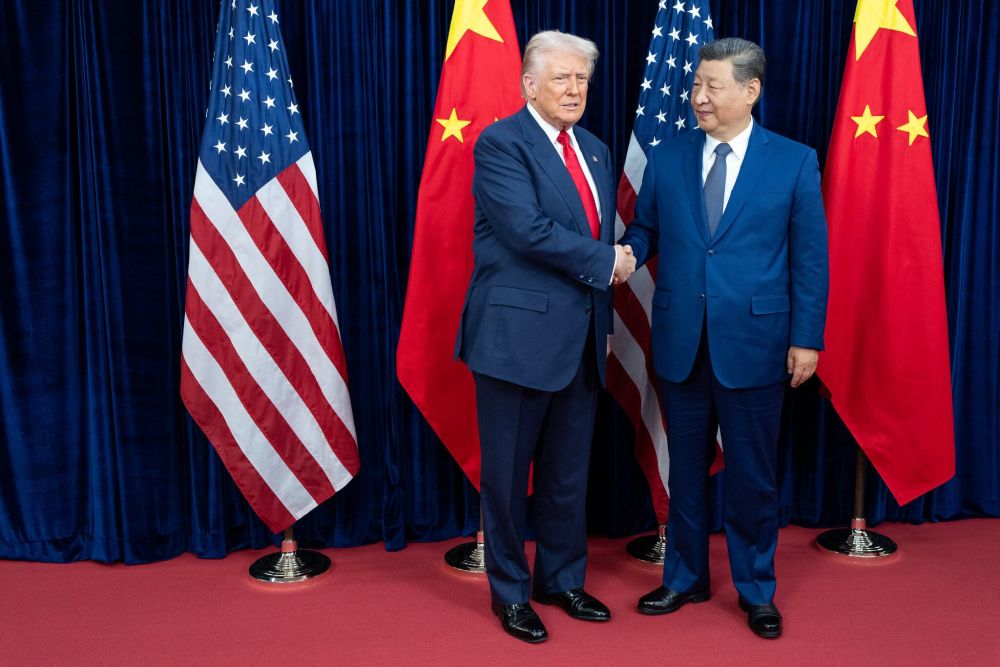
Reading Time : 2minutesTaiwan’s TAIEX has climbed near its record high as chipmakers lead a broad rally fueled by expectations for the Trump-Xi summit. Yet beneath the optimism, investors face unresolved risks involving Taiwan, trade, tariffs, and artificial intelligence. The market’s next test will be whether strong export demand and technology earnings can sustain gains after the political headlines fade.
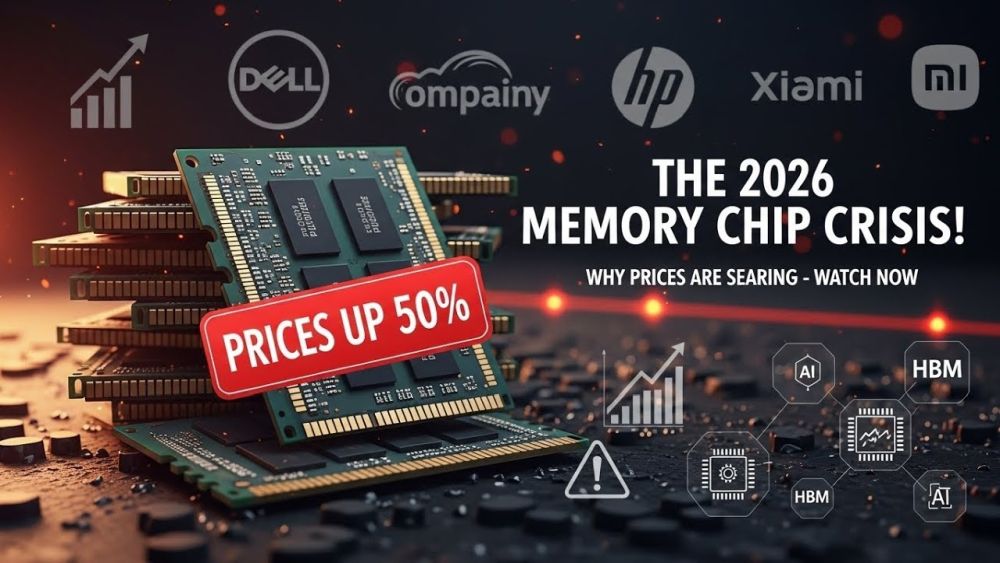
Reading Time : 3minutesAs the US spends billions on advanced chips, a critical shortage of memory chips highlights a dangerous gap in industrial strategy. While Asian giants dominate the market, high costs and low margins prevent American expansion. This investigation explores why national security plans ignore the essential components that power our digital infrastructure, leaving the economy vulnerable to supply shocks.
Reading Time : 2minutesArtificial intelligence is changing political disinformation from a labor-intensive operation into a potentially industrial process. Convincing images, voices and videos can now be produced rapidly and distributed globally. The central threat is therefore not merely that people will believe one fabricated story, but that repeated synthetic evidence could gradually destroy confidence in authentic information itself, making reality increasingly difficult to verify.
Reading Time : 2minutesTop AI labs are quietly negotiating a joint standards body to test and audit frontier models before release. The push follows a stark warning from Anthropic’s CEO about accelerating capabilities and unresolved risks. Disagreements over government roles and global coordination remain.
Reading Time : 2minutesThe United States risks undermining its own prosperity by turning trade and finance into weapons. Sanctions and tariffs may weaken rivals in the short term, but they also encourage the rise of alternative systems that bypass American influence. If this trend continues, the dollar’s dominance could falter, leaving the U.S. exposed to inflation, capital flight, and declining global leverage.
Reading Time : 3minutesGroq and Grok may sound almost identical, but they belong to entirely different corners of the AI world. One represents specialized hardware built for extremely fast inference, while the other is an AI chatbot from xAI. Nvidia’s interest in Groq suggests something bigger is happening: the future of AI may depend not only on powerful processors, but on how quickly intelligent systems can respond, reason, and act.
Reading Time : 2minutesMicrosoft’s AI expansion is stalling not from a lack of chips but from unfinished data centers. Billions in hardware sit idle while construction lags, delaying revenue and weakening competitiveness. Custom silicon offers little near-term relief as rivals deploy faster. With industry-wide bottlenecks intensifying, the race now hinges on whether infrastructure can catch up before the advantage evaporates.
 American Flag[/caption]