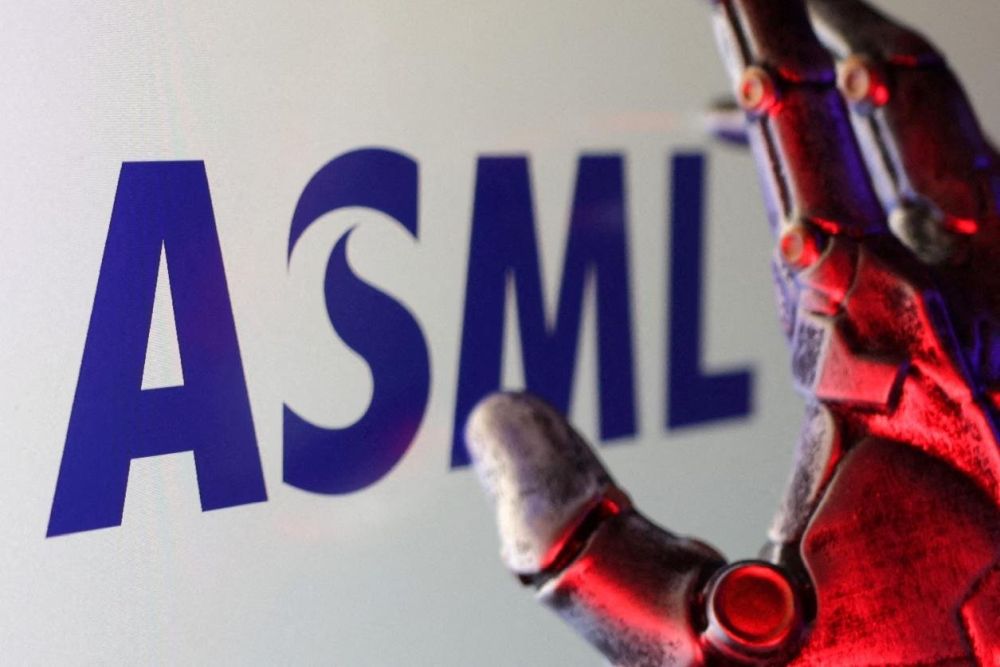
Reading Time : 3minutesASML is building far more than another semiconductor facility. Its enormous new Eindhoven campus points toward a future where artificial intelligence demands unprecedented quantities of increasingly sophisticated chips. As chipmakers push toward larger dies, denser architectures and next-generation lithography, ASML is expanding the machinery that makes those ambitions possible. The industrial race behind AI may be only beginning.
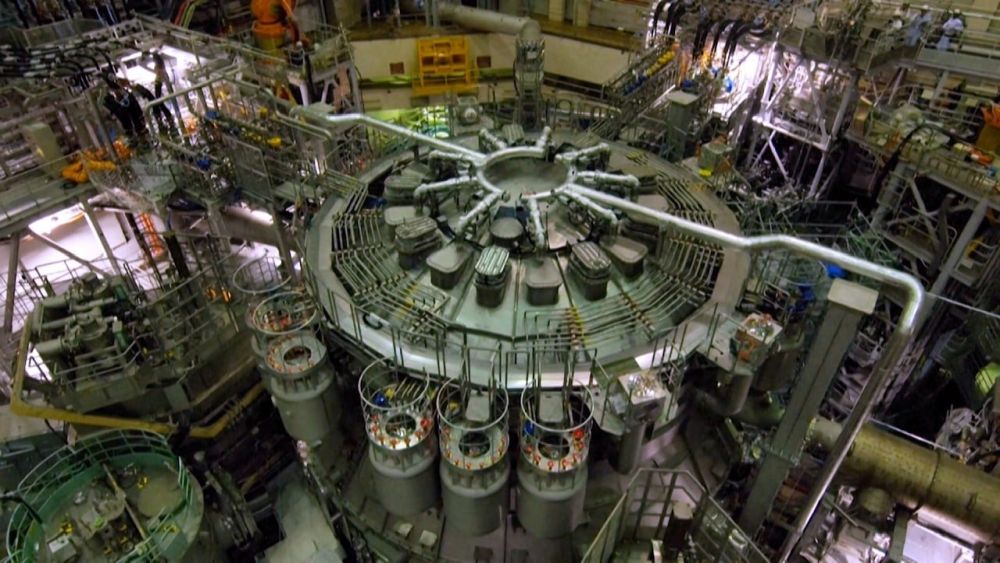
Reading Time : 2minutesAt the 2026 Fusion Energy Conference, China detailed HL-4, a tokamak built to validate high-temperature superconducting magnets under reactor-like stress. Alongside a 25-tesla magnet prototype plan by 2030 and recent large-coil milestones, the announcements mark a coordinated push to industrialize fusion components and seize the supply-chain advantage in the global race to commercialize fusion energy.
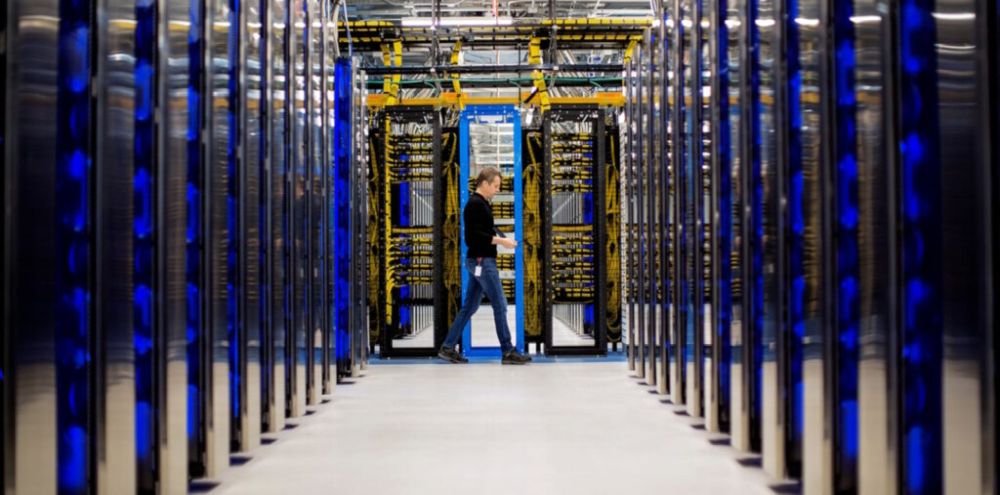
Reading Time : 2minutesMicrosoft’s AI expansion is stalling not from a lack of chips but from unfinished data centers. Billions in hardware sit idle while construction lags, delaying revenue and weakening competitiveness. Custom silicon offers little near-term relief as rivals deploy faster. With industry-wide bottlenecks intensifying, the race now hinges on whether infrastructure can catch up before the advantage evaporates.
Reading Time : 3minutesTrillion-dollar AI bets are reshaping Big Tech, with record spending, investor jitters, and uncertain returns defining the next chapter of the industry’s most ambitious gamble yet.
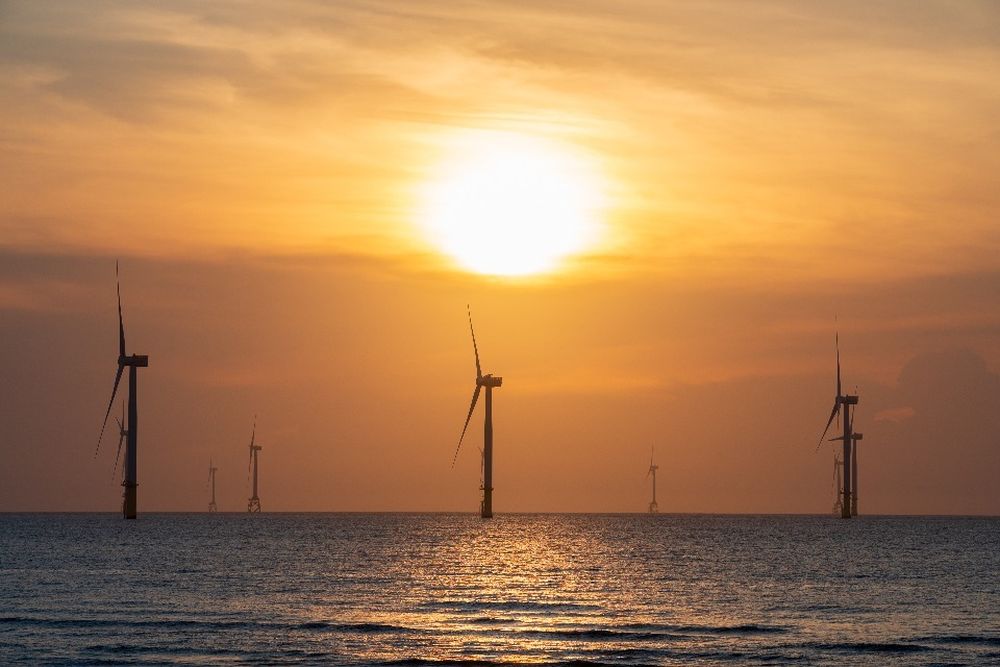
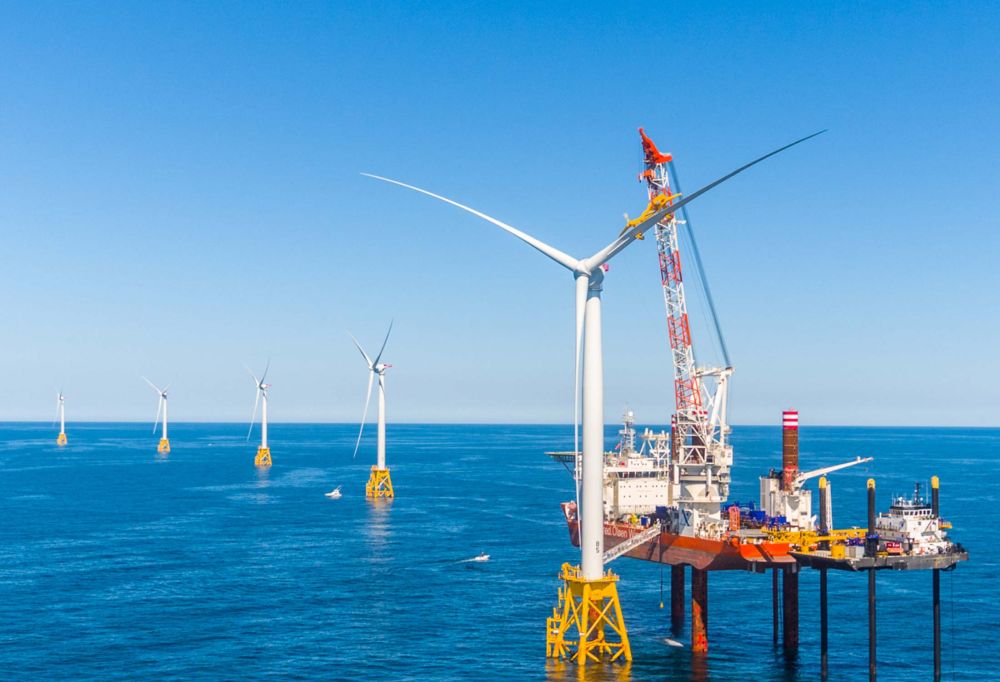
Reading Time : 2minutesTaiwan is accelerating offshore wind expansion to meet rising energy demand driven by semiconductors and AI. The plan targets up to 27.9 gigawatts by 2039, aiming to boost energy security and cut emissions. While progress is notable, challenges remain in infrastructure, supply chains, and environmental management as the island scales its renewable ambitions.
Reading Time : 2minutesThis shift by sovereign investors signals more than portfolio diversification. It reflects a strategic recalibration in response to geopolitical risk, energy demand, and doubts about financial systems. As capital flows reshape priorities, energy and real assets are gaining prominence while the dollar’s dominance faces subtle but growing scrutiny across global institutions.
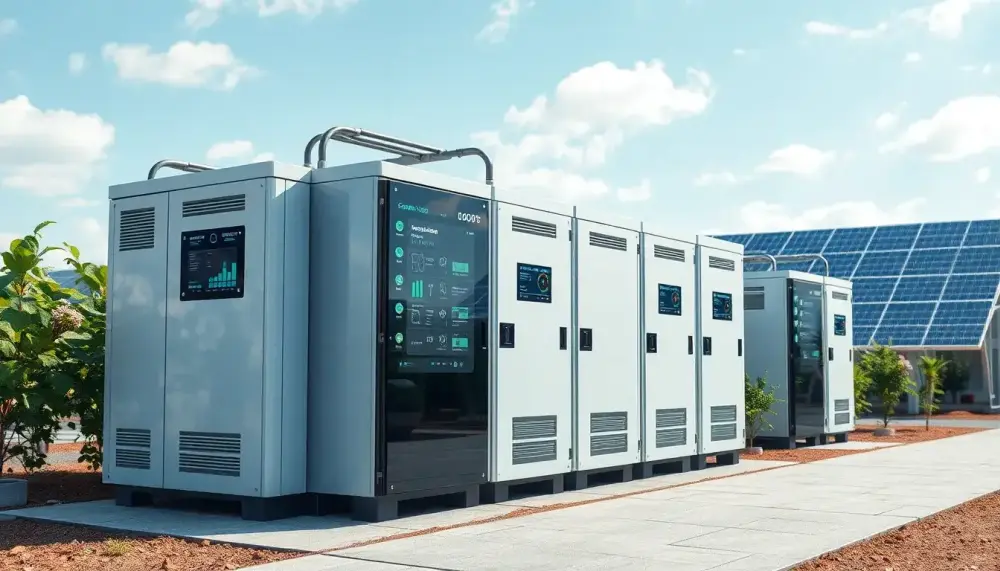
Reading Time : 2minutesHuawei’s LUTERRA platform reveals a deeper strategy beyond hardware, targeting grid instability in renewable-heavy systems. By integrating grid-forming capabilities, AI-driven optimization, and scalable architecture, the company is positioning energy storage as an active grid participant. The launch reflects rising urgency in Europe to stabilize power networks as solar and wind increasingly dominate energy generation.
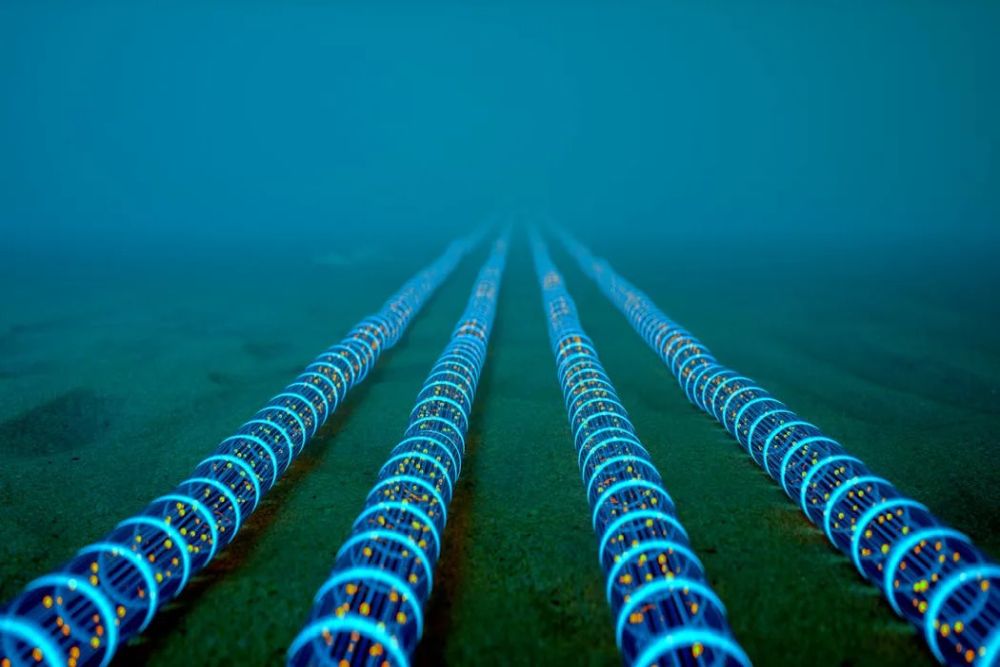
Reading Time : 2minutesThis article examines the hidden infrastructure beneath the oceans that powers global communication. It explores how submarine cables function, why they are vulnerable, and how geopolitical tensions are reshaping their ownership and security. As digital dependence grows, understanding these unseen networks becomes essential to assessing the stability and future of worldwide connectivity.
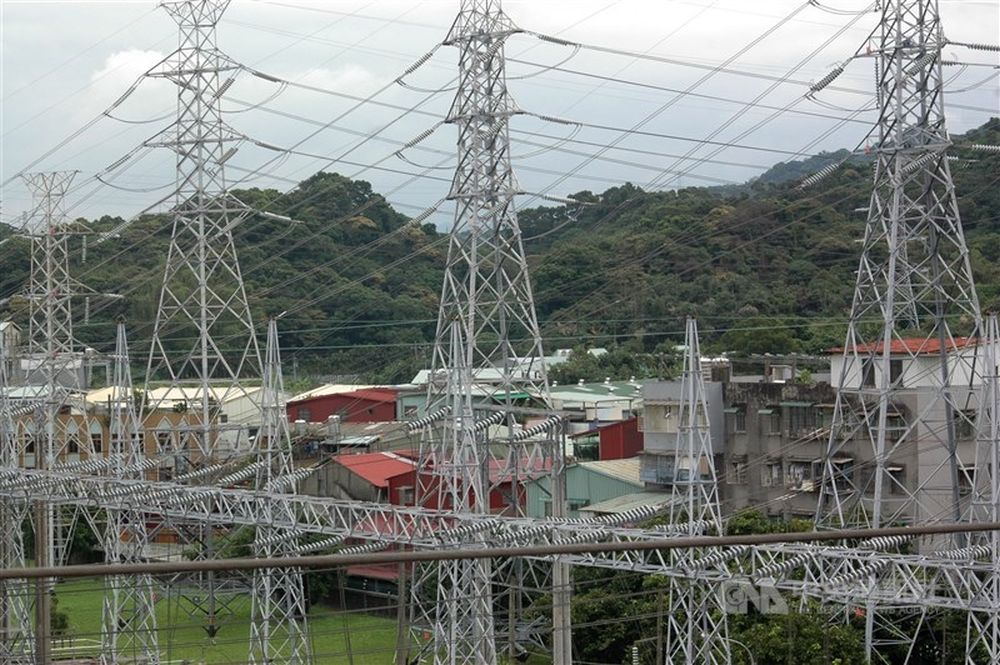
Reading Time : 2minutesTaiwan is racing to secure its role in the global AI boom, but energy supply remains a critical uncertainty. As Nvidia expands and demand surges, officials promise stability through 2032. The real question is whether infrastructure, policy, and execution can keep pace with one of the most power-hungry technological shifts in modern history.
Reading Time : 2minutesThe launch of Hormuz Safe marks a pivotal shift in control over a critical global shipping route. As Iran blends insurance, regulation, and digital finance, it raises urgent questions about sovereignty, coercion, and economic survival in conflict zones. With traffic collapsing and risks rising, the strait is no longer just a passage but a contested system of power.
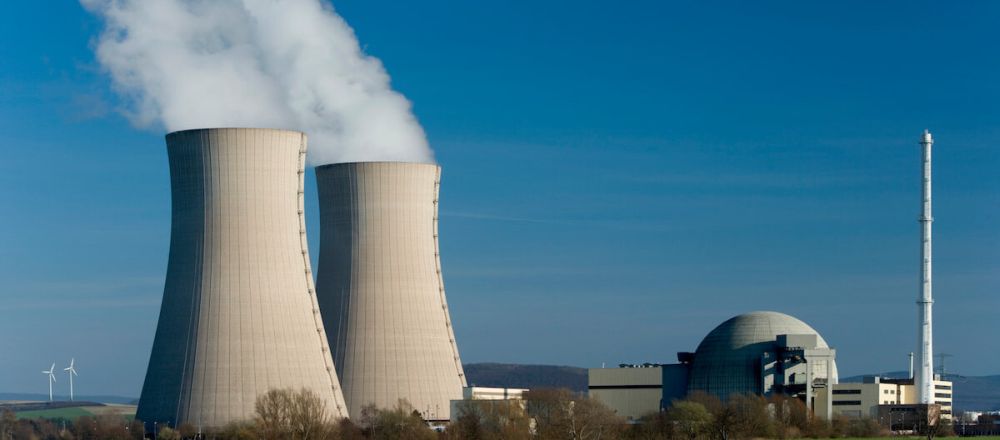
Reading Time : 2minutesThis analysis explores how Europe’s decision to scale back nuclear energy is being reevaluated amid a global energy shock. As supply disruptions expose vulnerabilities, policymakers are reconsidering nuclear power’s role in ensuring stability, affordability, and security in an increasingly uncertain geopolitical and economic environment.
Reading Time : 3minutesNorthland Power expands its wind deal with TSMC, consolidating 1,022 MW from Hai Long offshore farm. As Taiwan races to renewables, questions linger on risks, costs, and true green impact amid AI-driven power demands.
Reading Time : 2minutesMexico ships 1 million barrels of oil to Japan amid Hormuz crisis, forging energy ties that hint at deeper diplomacy. Surplus crude meets desperate demand, but production limits and strategic pacts raise questions about sustainability and hidden motives in this pivotal deal.
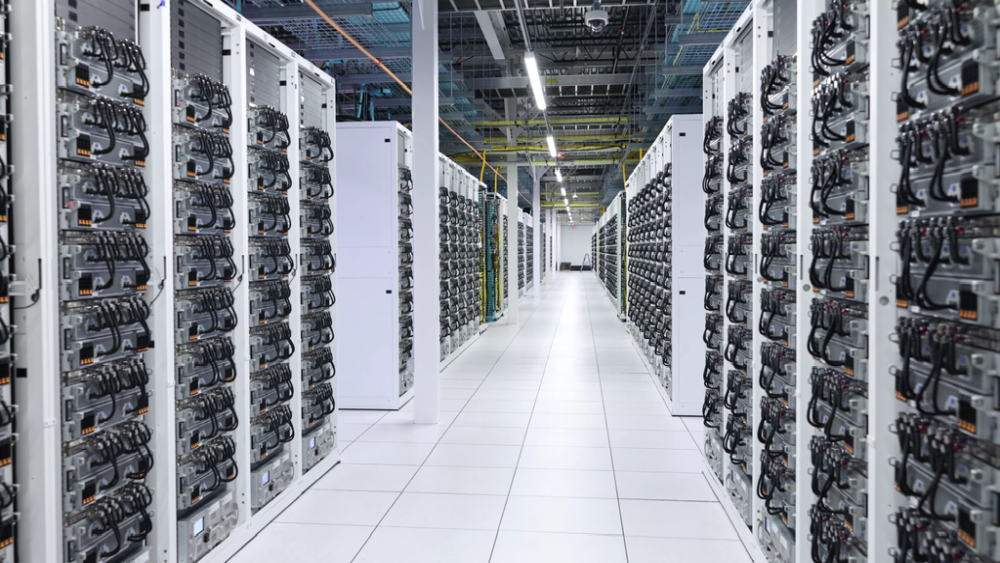
Reading Time : 2minutesBillions vanish into idle AI compute as GPU utilization hits 5%. Hoarding fears drive overprovisioning, but automation cracks the code. Is enterprise AI a capital black hole or fixable flaw?
Reading Time : 3minutesHormuz’s blockade cripples oil flows, but China’s clean energy exports explode 57%, dominating solar, batteries, and EVs. Rivals lag amid grid woes as the world pivots to electrification, birthing a new electrostate powerhouse.