
Iran has unveiled a digital maritime insurance system called Hormuz Safe, a move that appears less about administrative convenience and more about reshaping control over one of the world’s most strategic waterways. Officially framed as a financial and logistical tool for vessels crossing the Strait of Hormuz, the platform introduces blockchain-based policies and allows payments in cryptocurrencies. The design suggests a deliberate attempt to bypass sanctions while drawing shipping activity into a system managed from Tehran.
Beneath the technical surface, the initiative functions as a gateway to something broader. By offering insurance tied directly to passage through contested waters, Iran positions itself not only as a regional power but as an unavoidable intermediary for maritime commerce. Shipping operators now face a stark calculation, whether to engage with a system that may ease transit risks or to avoid it and potentially encounter greater uncertainty in already volatile waters.
The insurance platform does not stand alone. It arrives alongside the creation of a new transit authority tasked with overseeing all movement through the strait. Vessels are now expected to submit transit requests and prepare for incoming toll structures that Iranian lawmakers say will formalize national oversight. While framed as sovereignty enforcement, critics see a coordinated effort to transform geopolitical leverage into a structured revenue stream.
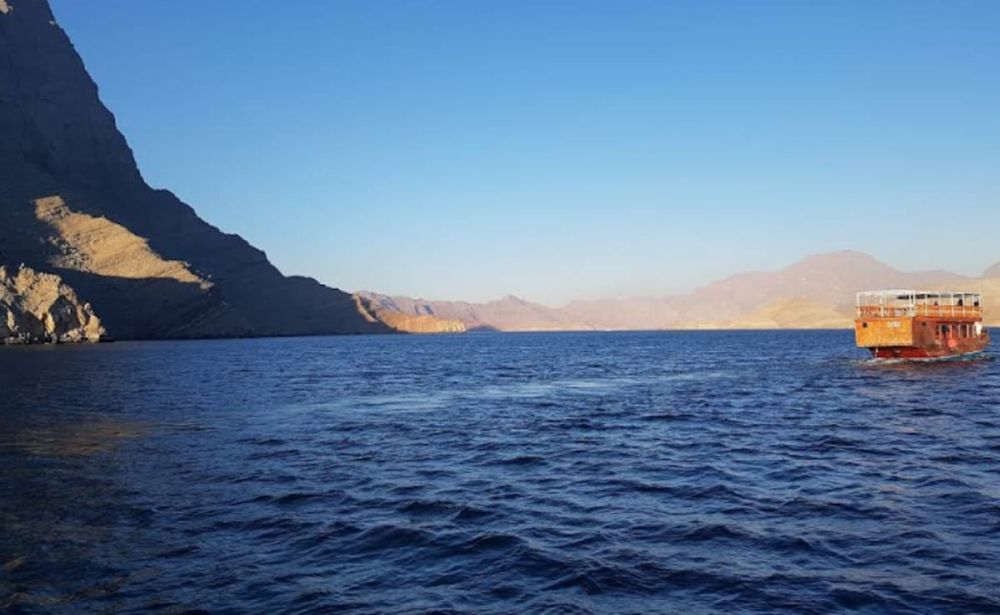
All of this unfolds during an extraordinary disruption. Traffic through the Strait of Hormuz has collapsed following recent military escalation, with thousands of vessels stalled and insurers retreating from the region. War risk premiums have surged, and legal ambiguity has deepened after Washington warned it may seize ships that comply with Iranian fee demands. In this tightening vice of conflict, regulation, and risk, Hormuz Safe emerges not as a neutral tool but as a strategic instrument in a rapidly shifting balance of power.

#Hormuz #Iran #MaritimeSecurity #GlobalTrade #Geopolitics #ShippingCrisis #EnergyRoutes