Branding is the process of creating a distinct identity for a product, service, company, or individual. It involves the strategic development and consistent application of visual, verbal, and experiential elements to communicate a unique value proposition and personality to a target audience.
Reading Time : 2minutesTSMC’s record third-quarter revenue has strengthened the case that AI demand remains robust, but the most important evidence may come on Oct. 15. Investors will examine margins, capital spending, advanced-node production and overseas expansion plans for signs of whether the current semiconductor boom can continue. The company’s next guidance could matter more than its latest record.
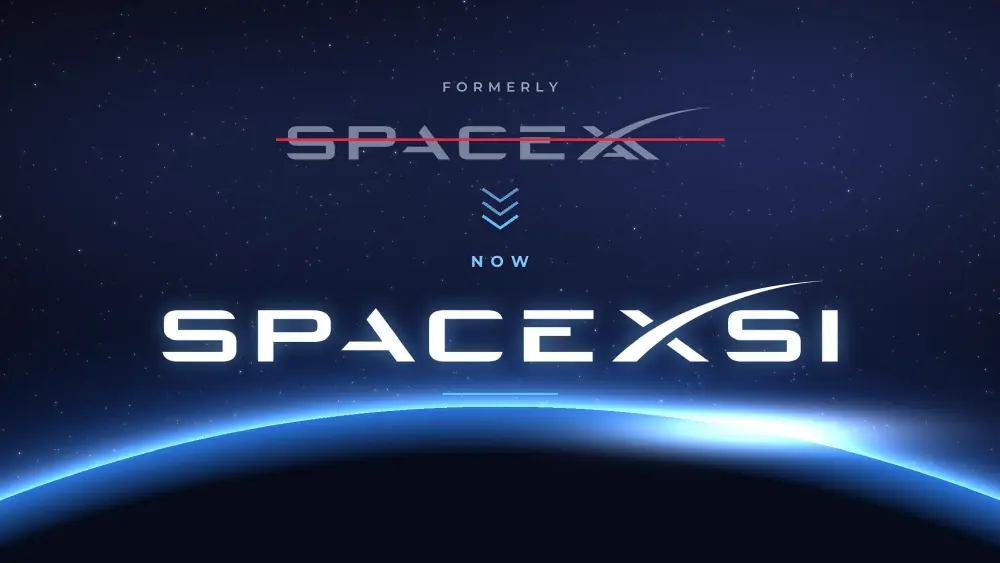
Reading Time : 2minutesElon Musk says SpaceXAI will become SpaceXSI, adopting President Trump’s federal push to call artificial intelligence “Super Intelligence.” The rebrand would be the company’s third name this year, though Musk has offered no timeline or details. It is a strikingly confident move: rename the technology first, and let actual superintelligence catch up whenever it feels ready.
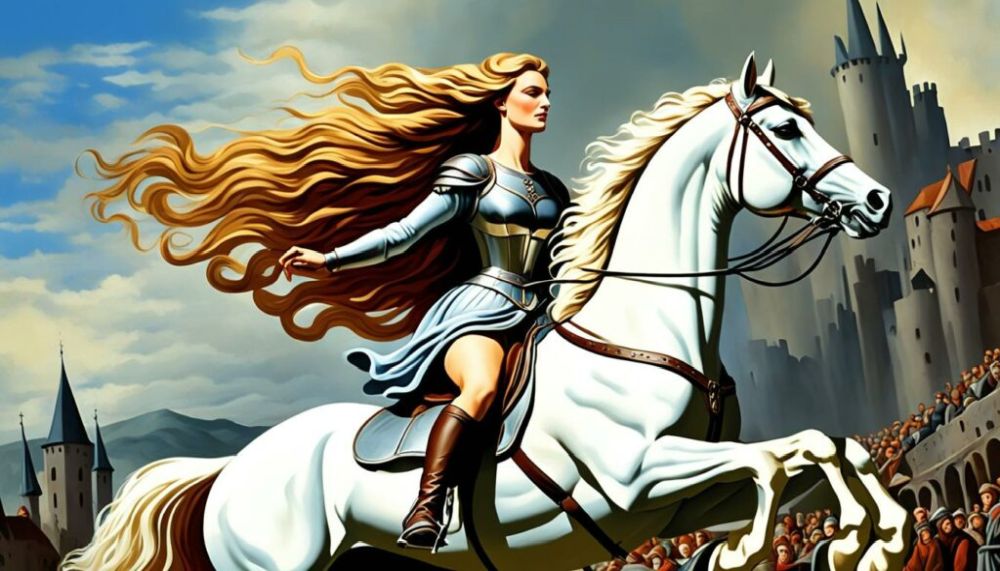
Reading Time : 2minutesA 900-year-old English legend of a naked horseback ride through Coventry’s medieval streets has an unlikely and surprisingly sweet ending. In 1926, a Brussels family kitchen gave the myth a gilded box, and Lady Godiva became the world’s most recognized chocolate brand , proving that even the boldest of legends can find their most surprising home inside a single Belgian praline.
Reading Time : 2minutesDeepSeek has open-sourced a full programming toolkit for Huawei’s Ascend AI chips, aiming to challenge Nvidia’s CUDA dominance. The release includes TileLang, a high-level language designed for performance and ease of use, plus libraries optimized for large-scale training. Backed by Huawei, the move signals a serious push to build a domestic GPU software stack amid export controls.
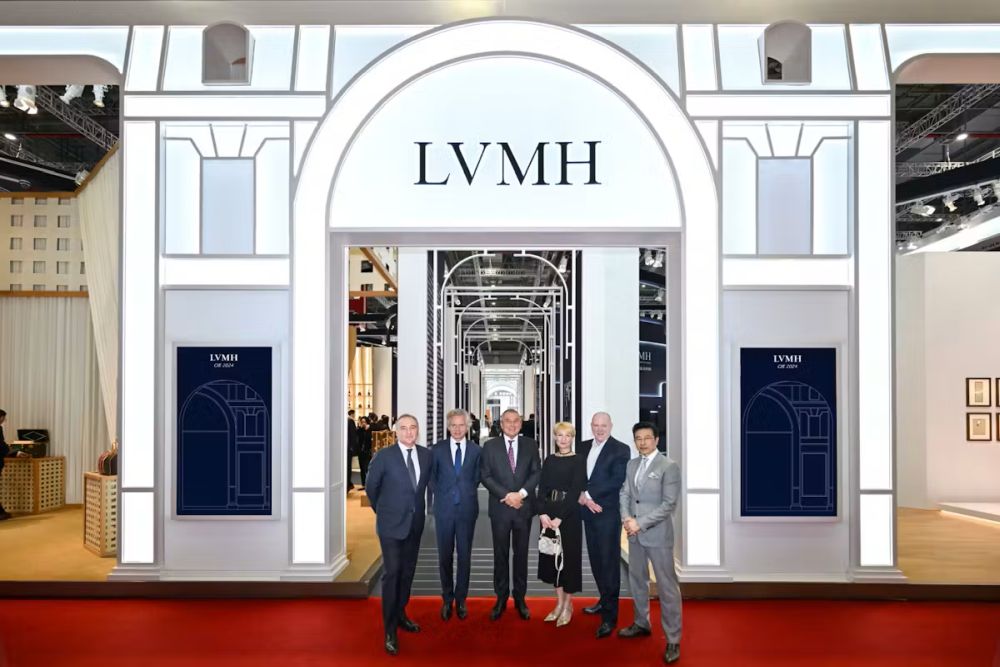
Reading Time : 3minutesThe Arnault family’s planned merger of Agache and Christian Dior would place nearly half of LVMH’s share capital and more than 65 percent of its voting rights under one listed entity. The structure offers minority Dior shareholders a cash exit, but no forced buyout, while preserving the family’s influence and raising important questions about succession, governance, and control.
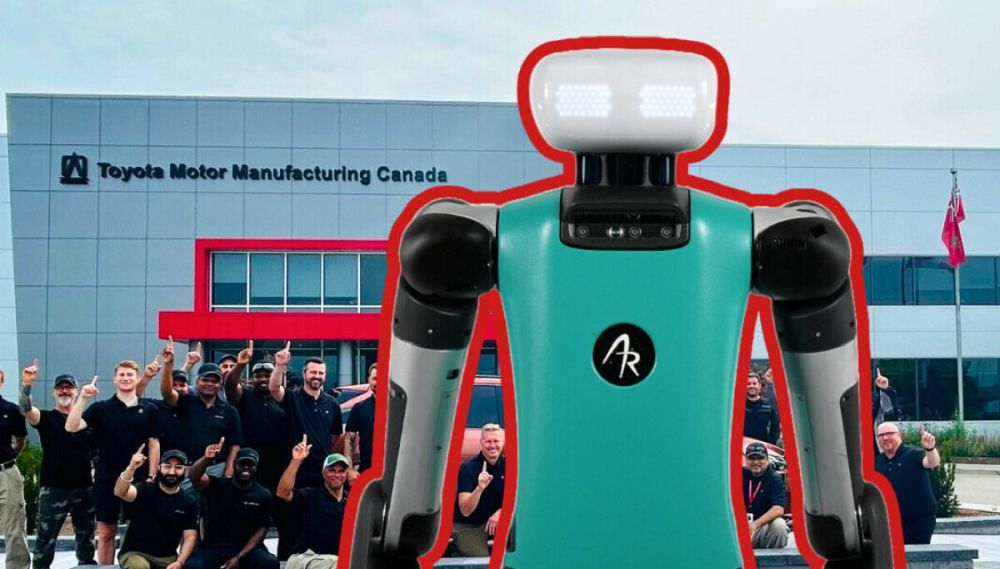
Reading Time : 2minutesToyota is mapping out a vast automation drive that could place hundreds of thousands of robots inside its factories and supplier sites. The plan stresses partnership with veteran workers, not replacement, and leans on learning robots to capture hard-won skills. How far the automaker goes remains uncertain, but the direction is unmistakable.
Reading Time : 2minutesHuawei is revolutionizing artificial intelligence infrastructure with its upcoming Ascend 960 processor family launching in 2027. Featuring advanced chiplet architectures and high speed interconnectivity capable of linking one million processors, this powerful ecosystem is empowering leading AI labs and dynamic international markets with scalable, high performance computing solutions to drive the next era of global technological innovation.
Reading Time : 2minutesMicron has offered Taiwan workers rewards worth up to 68 months of pay after record profits and intense AI-driven memory demand. But unions say the payout does not resolve deeper concerns over profit sharing, bonus transparency, and long-term compensation. With mediation scheduled to continue and a strike vote still possible, the dispute could test Micron’s labor strategy and expose new risks across the global memory-chip supply chain.
Reading Time : 3minutesASML is building far more than another semiconductor facility. Its enormous new Eindhoven campus points toward a future where artificial intelligence demands unprecedented quantities of increasingly sophisticated chips. As chipmakers push toward larger dies, denser architectures and next-generation lithography, ASML is expanding the machinery that makes those ambitions possible. The industrial race behind AI may be only beginning.
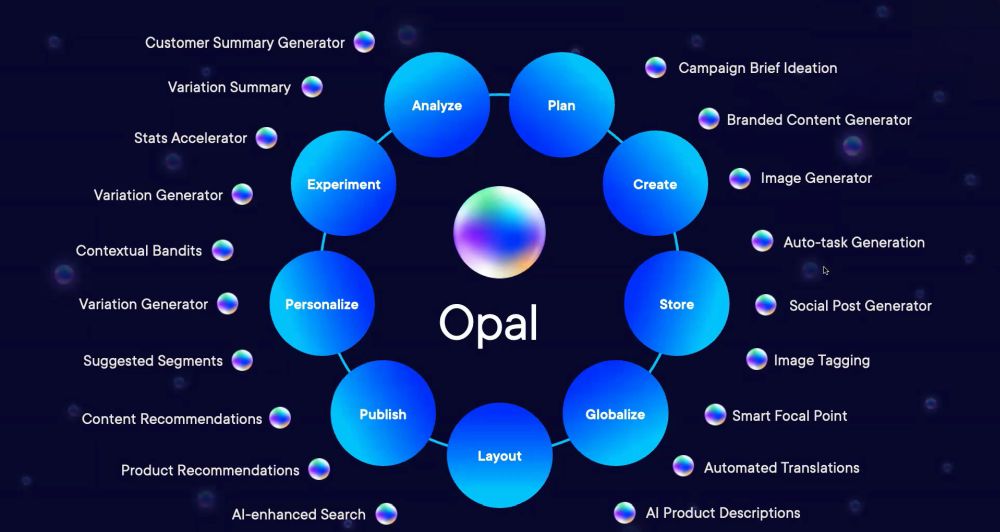
Reading Time : 3minutesMicrosoft’s Project Opal signals a shift from AI that assists to AI that executes. Running on Cloud PCs with an AI supervisor and human oversight, Opal can complete multi-step workflows over hours or days. With enterprise controls and a push toward autonomous Copilot agents, the question is no longer what AI can answer, but what it is allowed to do.
Reading Time : 3minutesXiaomi has unveiled three new XRing chips spanning smartphones, edge AI, and autonomous driving. The 3nm flagship O3 outpaces Qualcomm’s latest in early tests, while the O100 and D100 push on-device AI and vehicle intelligence toward 2027 deployment, backed by tens of billions in investment.
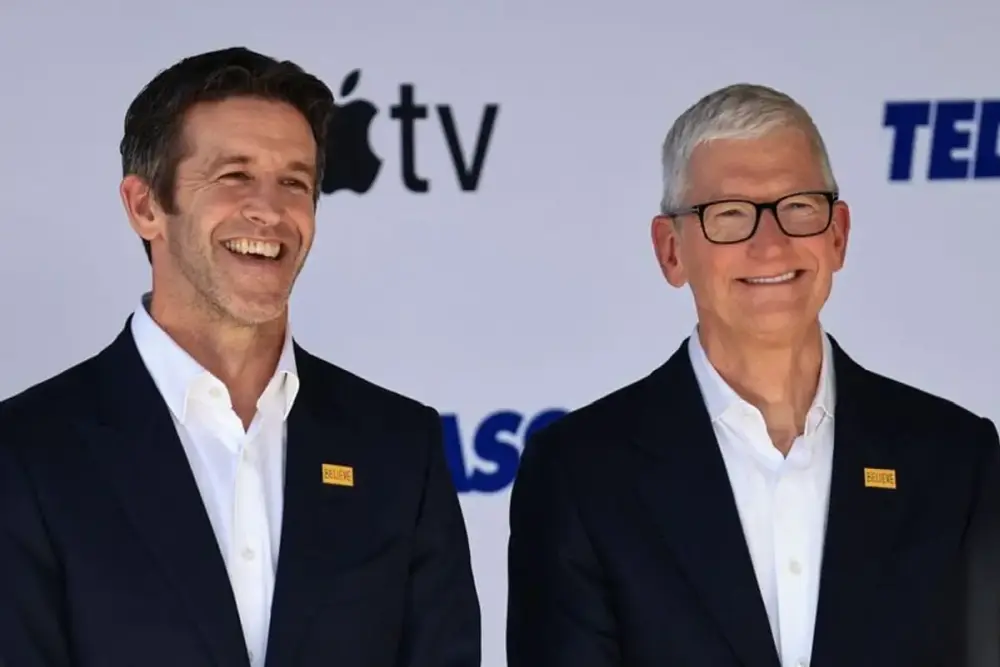
Reading Time : 2minutesWhen John Ternus posted a lowercase hello to X on his first day as Apple’s third CEO, millions watched within hours. The dormant account, the synchronized Weibo greeting, and a wave of rival executives arriving on the platform suggest a calculated global rollout. The test comes September 9, at Apple’s iPhone launch, where the new CEO’s public strategy meets pressure.
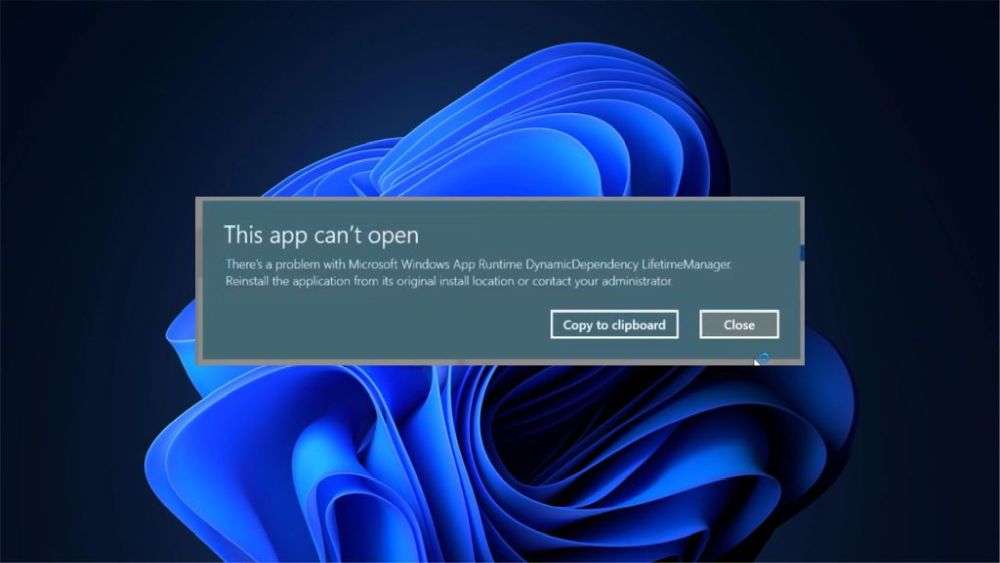
Reading Time : 2minutesMicrosoft 365 users face a second day of disrupted search after an authentication misconfiguration knocked out core services. While email flow has largely recovered, queries in Exchange, SharePoint, OneDrive, and Teams remain unreliable. The incident highlights the risks of centralized cloud dependency and raises fresh questions about redundancy, monitoring, and change management in one of the world’s most critical productivity platforms.
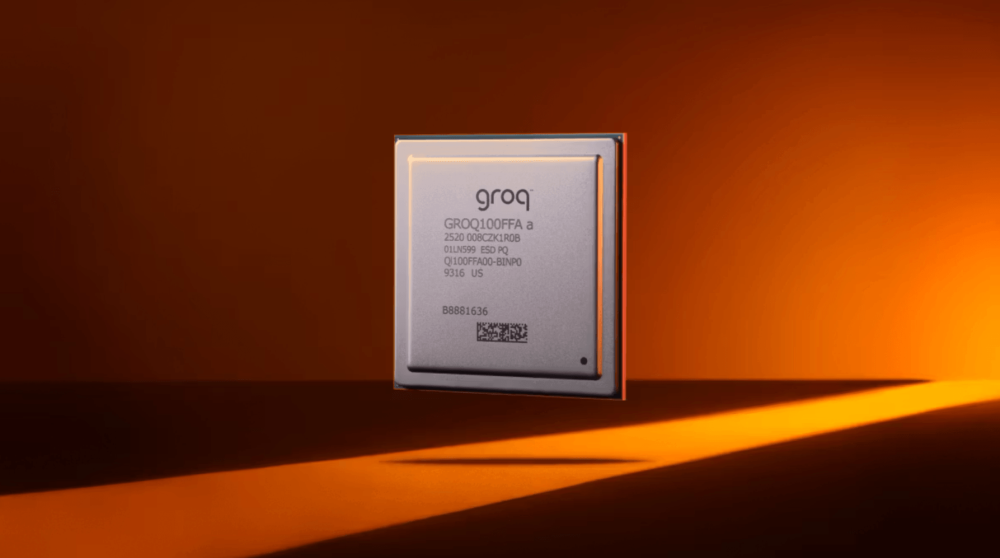
Reading Time : 3minutesGroq and Grok may sound almost identical, but they belong to entirely different corners of the AI world. One represents specialized hardware built for extremely fast inference, while the other is an AI chatbot from xAI. Nvidia’s interest in Groq suggests something bigger is happening: the future of AI may depend not only on powerful processors, but on how quickly intelligent systems can respond, reason, and act.
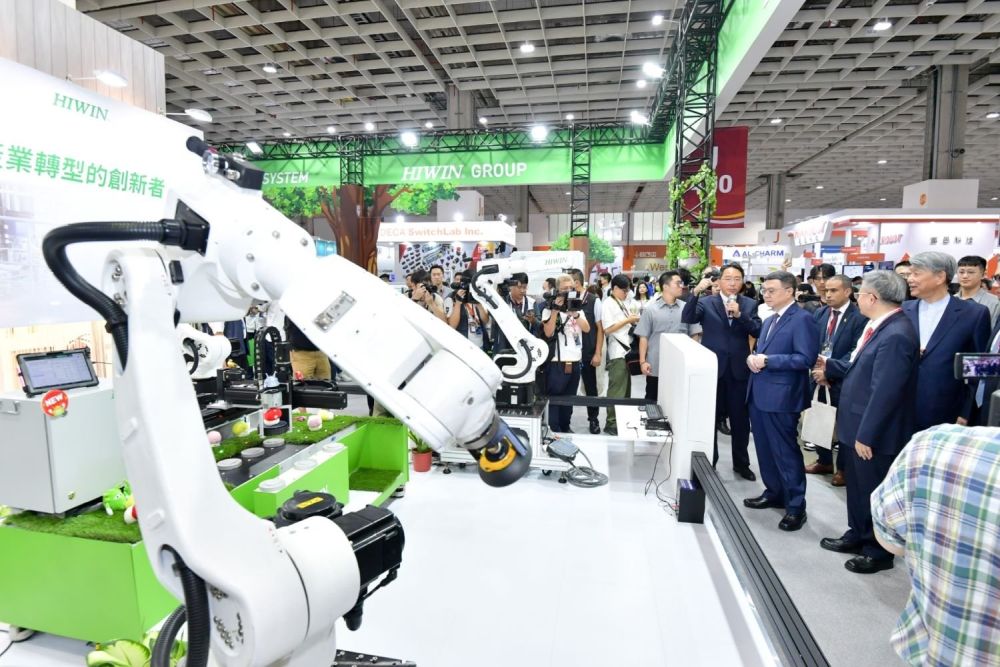
Reading Time : 2minutesTaiwan’s Automation Taipei 2026 opened with AI robotics taking center stage as 1,200 exhibitors from 16 countries showcased intelligent manufacturing technologies. The government pledged NT$40.8 billion for AI development in 2027, while companies unveiled dual-arm robots and autonomous delivery systems designed to address persistent global labor shortages.
Hashtags