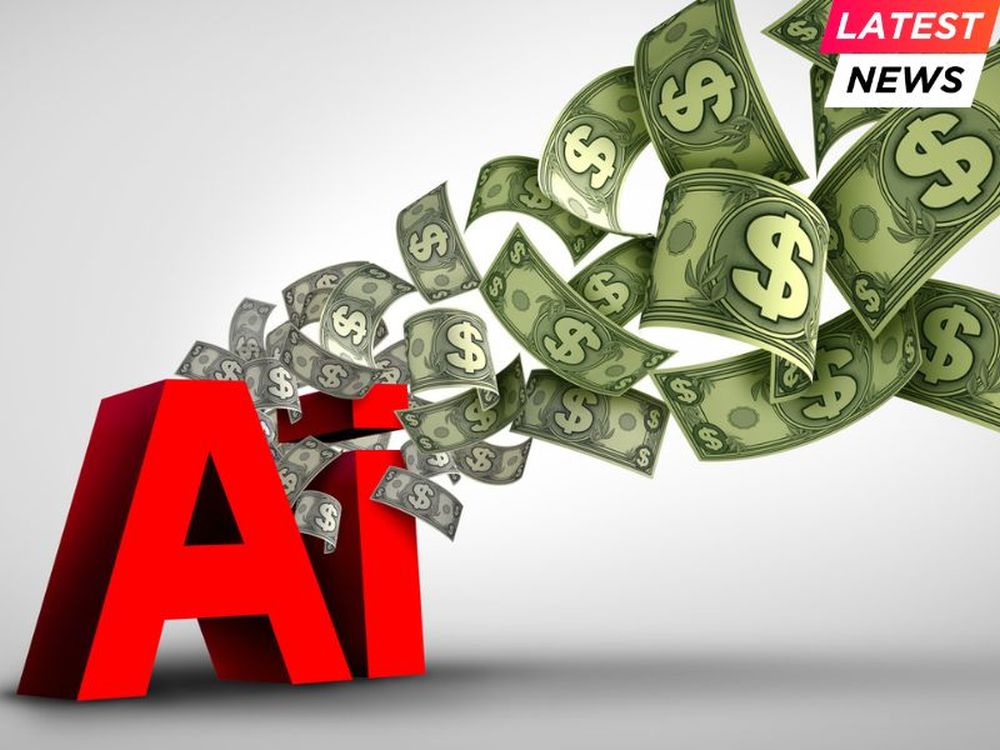
Reading Time : 2minutesArtificial intelligence investment is racing ahead at a pace unseen in past tech booms, yet the revenue needed to justify it remains out of reach. Analysts warn of a multi-trillion dollar gap and doubt whether productivity gains can close it in time.
Reading Time : 2minutesJewelry can still be a wonderful long term asset when you choose wisely. Gold pieces with simple designs and low premiums offer the strongest staying power. Diamonds tell a different story, yet exceptional stones remain special. Let us explore where lasting value truly lives.
Reading Time : 3minutesRare wine and premium spirits have emerged as some of the strongest alternative investments of the past decade, with major auction houses reporting record-breaking sales and prices climbing well beyond traditional asset classes. A fresh wave of younger, global collectors is driving demand, turning the pursuit of exceptional bottles into a truly thrilling and exciting new investment frontier for all.
Reading Time : 2minutesSotheby’s will sell twelve Impressionist and post-Impressionist masterpieces from a reclusive Argentine collection in New York this November. Led by a rare Van Gogh and a museum-quality Cézanne, the sale could set new auction records and reshape the market for blue-chip art.
Reading Time : 2minutesDeepSeek has open-sourced a full programming toolkit for Huawei’s Ascend AI chips, aiming to challenge Nvidia’s CUDA dominance. The release includes TileLang, a high-level language designed for performance and ease of use, plus libraries optimized for large-scale training. Backed by Huawei, the move signals a serious push to build a domestic GPU software stack amid export controls.
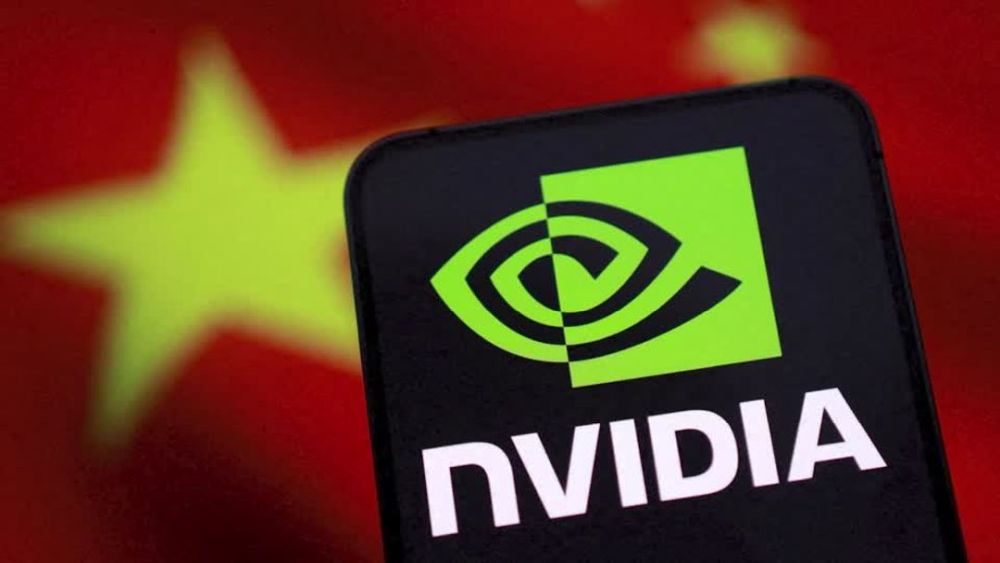
Reading Time : 3minutesChina’s possible approval of Nvidia’s RTX Pro 5500 for ByteDance and Alibaba would mark a cautious reversal of last year’s restrictions, but not a return to unrestricted chip access. The decision could reflect Beijing’s need for computing power, even as it continues promoting domestic alternatives and tightly controlling Nvidia’s more advanced AI hardware. The scale, timing, and conditions of any purchases remain uncertain.
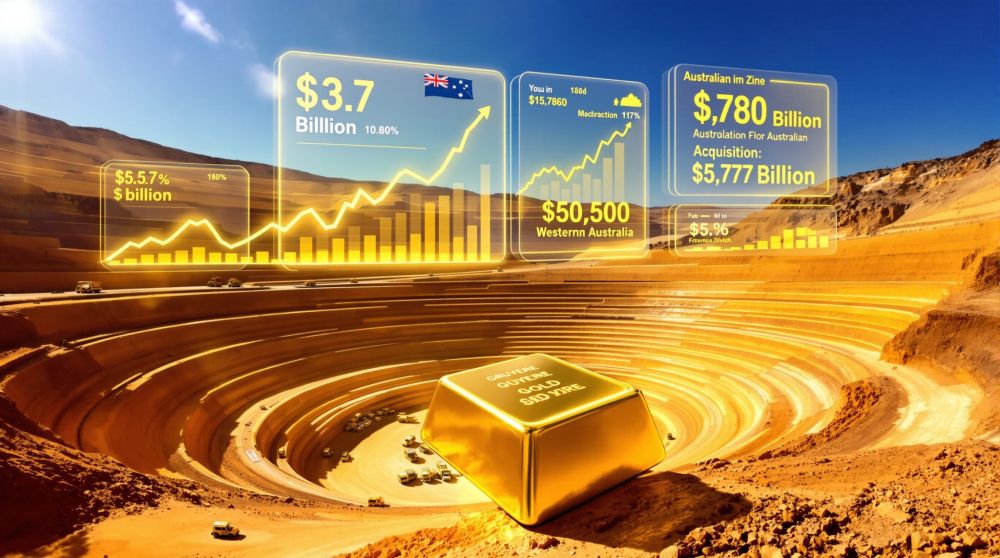
Reading Time : 2minutesIn a bold move that could reshape the gold mining landscape, Gold Fields has approached Northern Star Resources about a potential $22 billion acquisition. Northern Star’s rejection may not be the final word, as operational struggles and activist investor pressure leave the Australian miner vulnerable. For Gold Fields, the pursuit reflects a clear strategy of expansion through consolidation in a high-price gold environment.
Reading Time : 3minutesThe Arnault family’s planned merger of Agache and Christian Dior would place nearly half of LVMH’s share capital and more than 65 percent of its voting rights under one listed entity. The structure offers minority Dior shareholders a cash exit, but no forced buyout, while preserving the family’s influence and raising important questions about succession, governance, and control.
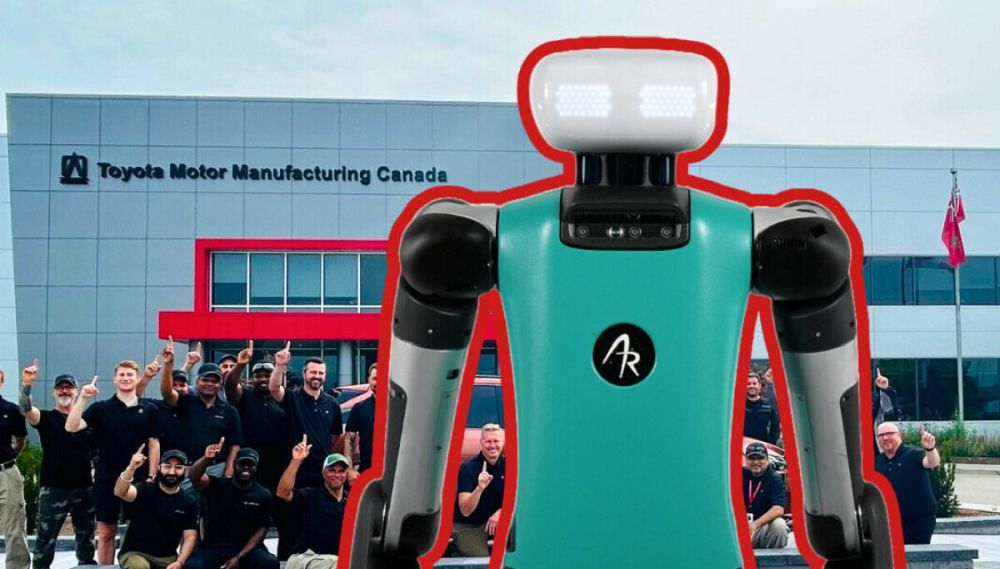
Reading Time : 2minutesToyota is mapping out a vast automation drive that could place hundreds of thousands of robots inside its factories and supplier sites. The plan stresses partnership with veteran workers, not replacement, and leans on learning robots to capture hard-won skills. How far the automaker goes remains uncertain, but the direction is unmistakable.
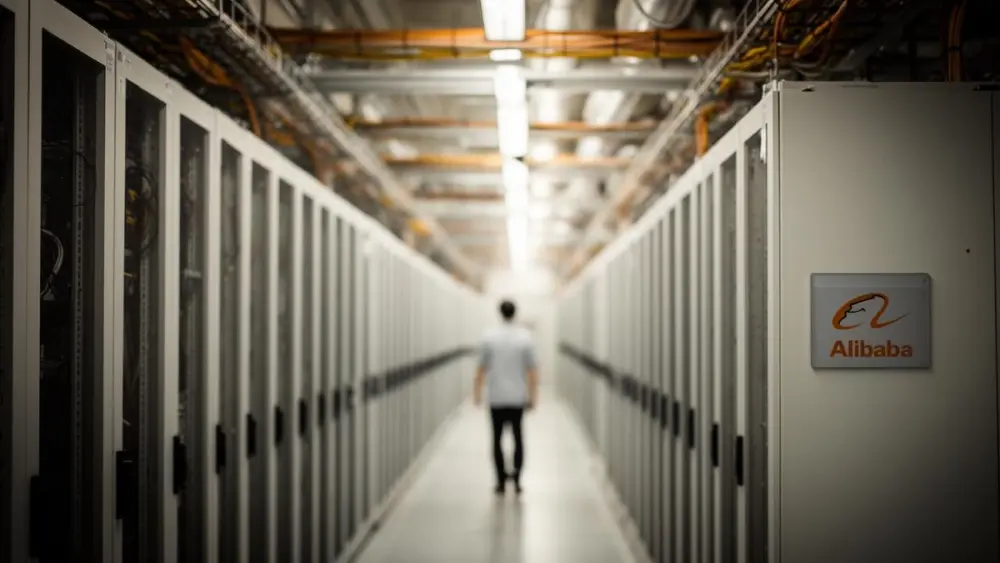
Reading Time : 2minutesAlibaba has announced an aggressive artificial intelligence roadmap combining a new domestic processor, trillion-parameter Qwen models, and a vast expansion of cloud infrastructure. The plan could strengthen China’s technological independence, but its success will depend on chip production, energy availability, software efficiency, customer demand, and whether massive model sizes translate into more capable and commercially valuable AI systems.
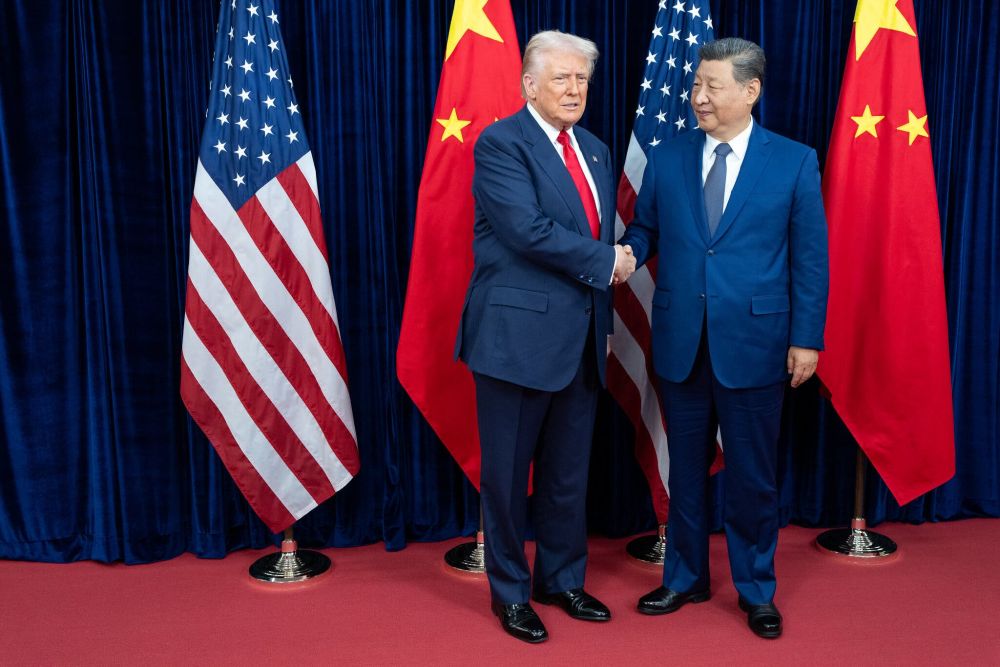
Reading Time : 2minutesTaiwan’s TAIEX has climbed near its record high as chipmakers lead a broad rally fueled by expectations for the Trump-Xi summit. Yet beneath the optimism, investors face unresolved risks involving Taiwan, trade, tariffs, and artificial intelligence. The market’s next test will be whether strong export demand and technology earnings can sustain gains after the political headlines fade.
Reading Time : 3minutesBitcoin’s rebound above $81,000 arrives with a cluster of rare technical signals that analysts say could mark the end of a prolonged bear market. A decisive weekly close above key moving averages, a rare monthly bullish crossover, and improving on-chain metrics are converging even as miners face record pressure and retail sentiment stays cautious.
Reading Time : 2minutesAnthropic is loosening AI guardrails for biology while building a wet lab, a move that blends computational power with physical experiments. The company says it will not rival pharma partners, yet its new program and in-house lab signal deeper ambitions in drug discovery and raise questions about oversight, competition, and the future of AI-driven science.
Reading Time : 2minutesHuawei is revolutionizing artificial intelligence infrastructure with its upcoming Ascend 960 processor family launching in 2027. Featuring advanced chiplet architectures and high speed interconnectivity capable of linking one million processors, this powerful ecosystem is empowering leading AI labs and dynamic international markets with scalable, high performance computing solutions to drive the next era of global technological innovation.
Reading Time : 2minutesThe global memory shortage is evolving from a pricing problem into a supply-allocation crisis. Intel’s warning, rising memory costs, delayed projects, and long-term contracts covering most future production point to a market likely to remain tight through 2028. AI data centers are securing priority access, raising difficult questions about how much supply will remain for phones, laptops, startups, and other industries.