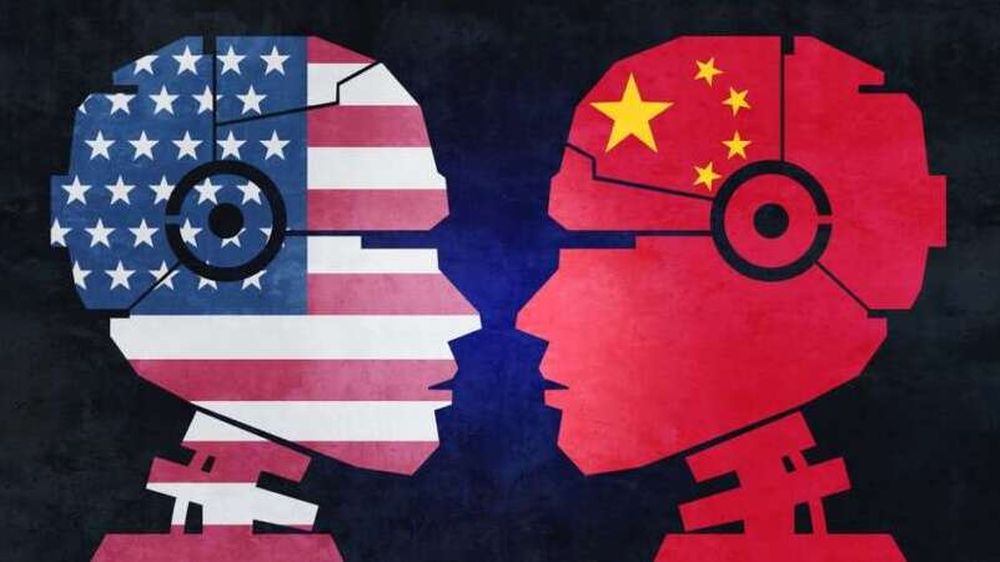
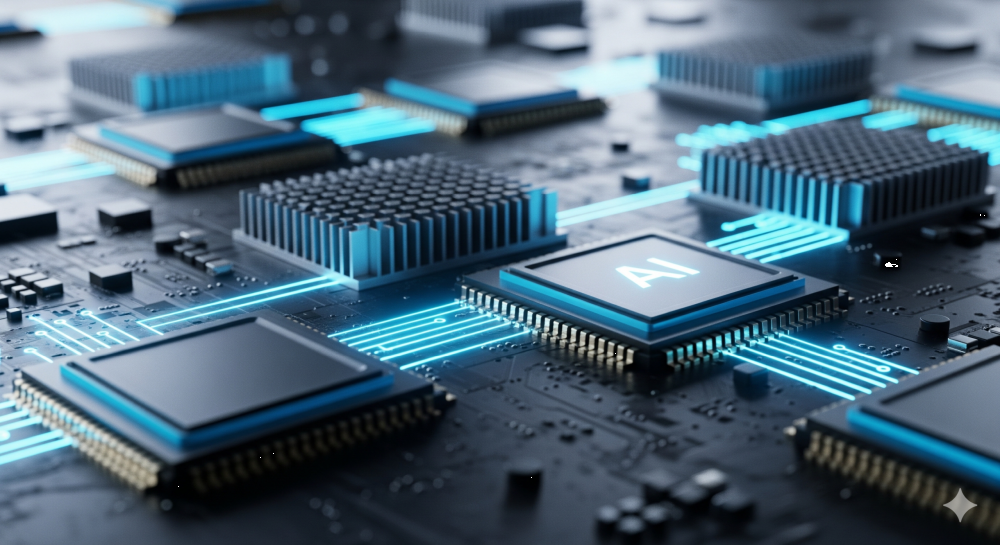
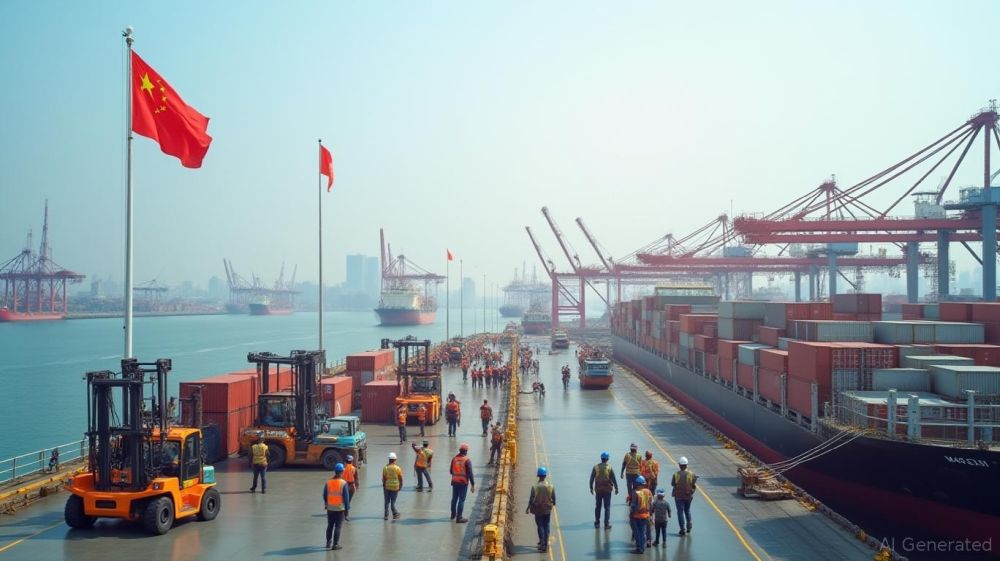
Reading Time : 2minutesAI is changing more than software. It is redrawing the strategic map of the US-China rivalry, turning chips, models, data, and markets into instruments of power. As Washington restricts access and Beijing expands its reach, both sides face an uncomfortable truth: technological dependence can become leverage for the rival it was meant to contain.
Reading Time : 3minutesThe World Bank is in talks with 30 to 40 countries over possible emergency support as war-driven energy, diesel, and fertilizer costs strain developing economies. President Ajay Banga says up to $100 billion could be made available. The real test is whether rising debt, food insecurity, and climate risks will push more nations to seek help.
Reading Time : 3minutesNobel Week has begun in Stockholm with the announcement of the medicine prize. Physics, chemistry, literature, peace, and economics will follow through October 12. Each day brings one revelation, watched closely by scientists, writers, and diplomats alike. The prizes carry prestige, cash, and the weight of history. Who will the committees choose this year?
Reading Time : 2minutesDeepSeek has open-sourced a full programming toolkit for Huawei’s Ascend AI chips, aiming to challenge Nvidia’s CUDA dominance. The release includes TileLang, a high-level language designed for performance and ease of use, plus libraries optimized for large-scale training. Backed by Huawei, the move signals a serious push to build a domestic GPU software stack amid export controls.
Reading Time : 2minutesChina commands over 60 percent of humanoid robot patents and nearly 60 percent of global industrial robot installations. Its lead in AI foundation models for robotics is widening, raising alarms in Seoul and Washington. With an integrated supply chain and state backing, Beijing is setting the pace for the next industrial revolution.
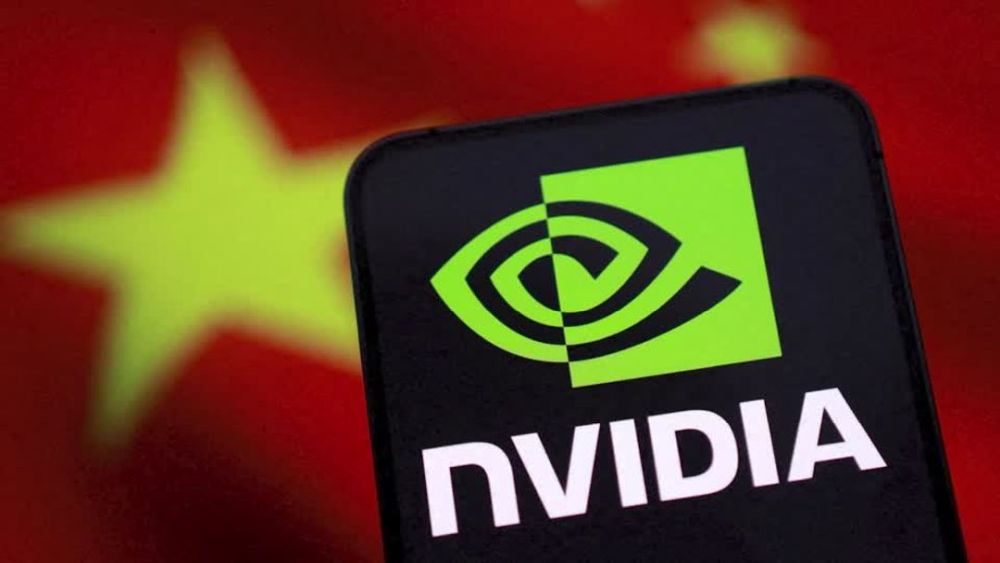
Reading Time : 3minutesChina’s possible approval of Nvidia’s RTX Pro 5500 for ByteDance and Alibaba would mark a cautious reversal of last year’s restrictions, but not a return to unrestricted chip access. The decision could reflect Beijing’s need for computing power, even as it continues promoting domestic alternatives and tightly controlling Nvidia’s more advanced AI hardware. The scale, timing, and conditions of any purchases remain uncertain.
Reading Time : 2minutesIn a bold move that could reshape the gold mining landscape, Gold Fields has approached Northern Star Resources about a potential $22 billion acquisition. Northern Star’s rejection may not be the final word, as operational struggles and activist investor pressure leave the Australian miner vulnerable. For Gold Fields, the pursuit reflects a clear strategy of expansion through consolidation in a high-price gold environment.
Reading Time : 2minutesThe mobile phone and social media revolution has opened a bright new era of connection, creativity, and opportunity. From daily moments shared worldwide to small businesses reaching global audiences, these tools empower everyone to participate. By embracing this change with care, we can build a future where technology strengthens communities and helps life flourish.
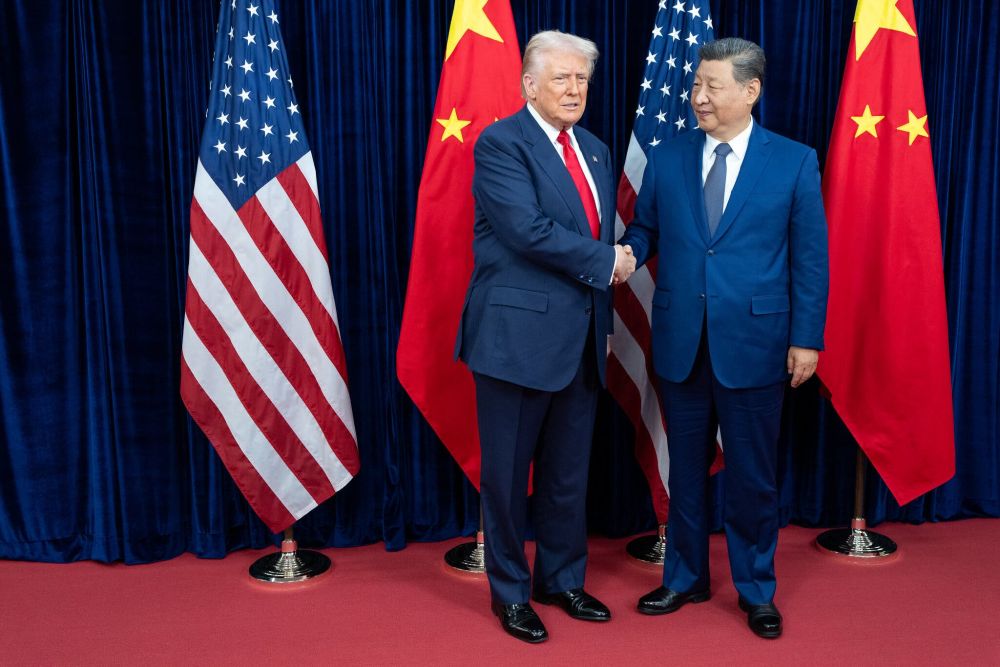
Reading Time : 2minutesTaiwan’s TAIEX has climbed near its record high as chipmakers lead a broad rally fueled by expectations for the Trump-Xi summit. Yet beneath the optimism, investors face unresolved risks involving Taiwan, trade, tariffs, and artificial intelligence. The market’s next test will be whether strong export demand and technology earnings can sustain gains after the political headlines fade.
Reading Time : 3minutesAs the US spends billions on advanced chips, a critical shortage of memory chips highlights a dangerous gap in industrial strategy. While Asian giants dominate the market, high costs and low margins prevent American expansion. This investigation explores why national security plans ignore the essential components that power our digital infrastructure, leaving the economy vulnerable to supply shocks.
Reading Time : 2minutesThe global memory shortage is evolving from a pricing problem into a supply-allocation crisis. Intel’s warning, rising memory costs, delayed projects, and long-term contracts covering most future production point to a market likely to remain tight through 2028. AI data centers are securing priority access, raising difficult questions about how much supply will remain for phones, laptops, startups, and other industries.
Reading Time : 2minutesTop AI labs are quietly negotiating a joint standards body to test and audit frontier models before release. The push follows a stark warning from Anthropic’s CEO about accelerating capabilities and unresolved risks. Disagreements over government roles and global coordination remain.
Reading Time : 3minutesTwo AI giants have stunned mathematicians with back-to-back claims: OpenAI says it solved a 90-year-old Millennium Prize problem, while Anthropic formalized Fermat’s Last Theorem in days. The breakthroughs spark awe and anxiety over credit, careers, and a future where machines outpace human proof.
Reading Time : 2minutesMicron has offered Taiwan workers rewards worth up to 68 months of pay after record profits and intense AI-driven memory demand. But unions say the payout does not resolve deeper concerns over profit sharing, bonus transparency, and long-term compensation. With mediation scheduled to continue and a strike vote still possible, the dispute could test Micron’s labor strategy and expose new risks across the global memory-chip supply chain.
Reading Time : 3minutesThe headline numbers tell one story, but the undercurrents reveal a different one. Strong exports are masking deep domestic fragility, and the trade surplus keeps widening into territory that invites retaliation. With a Trump-Xi summit approaching and tariff cuts on the table, the stakes are rising fast.