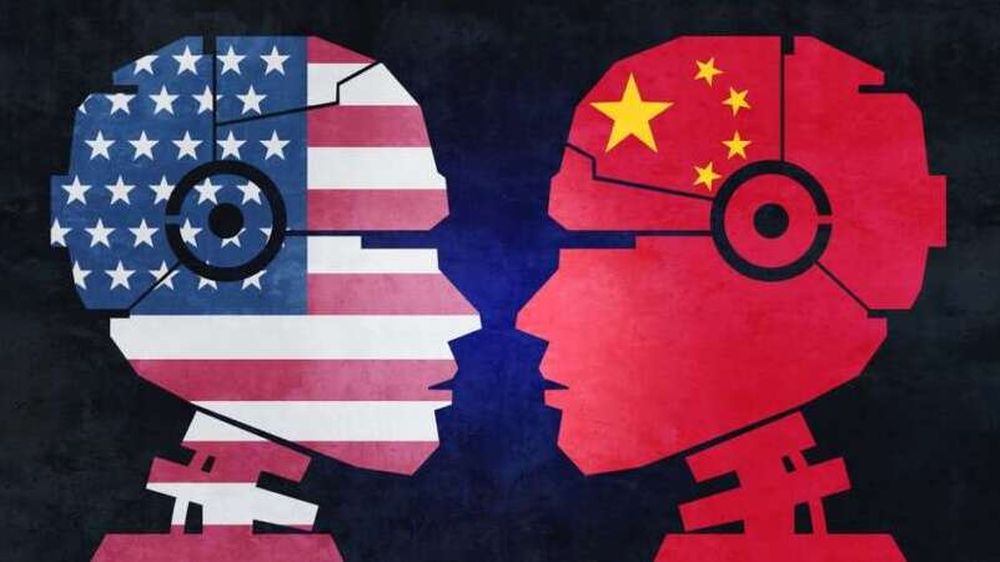
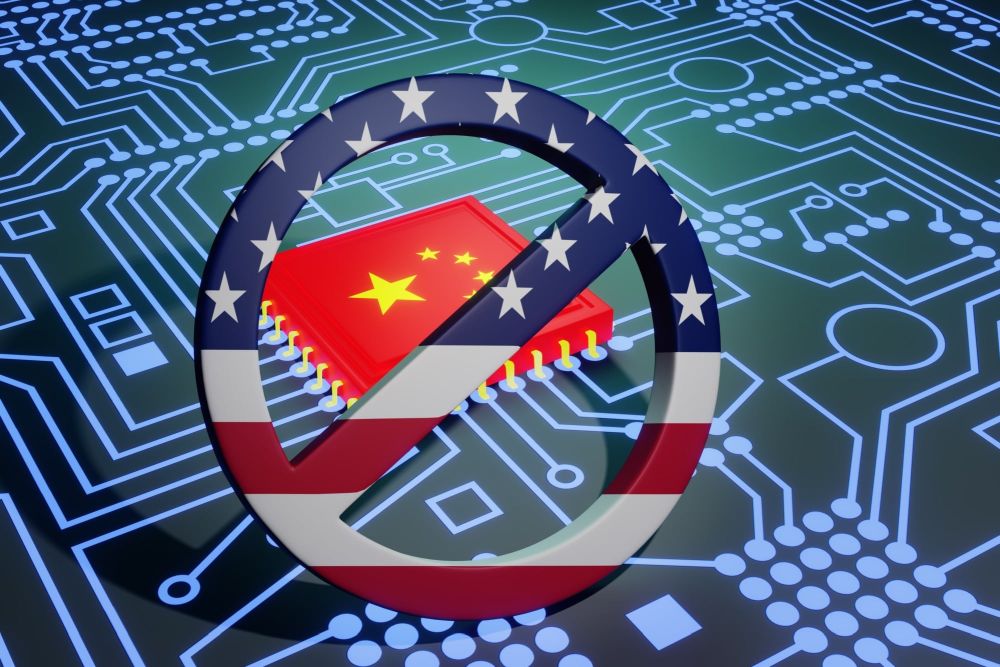
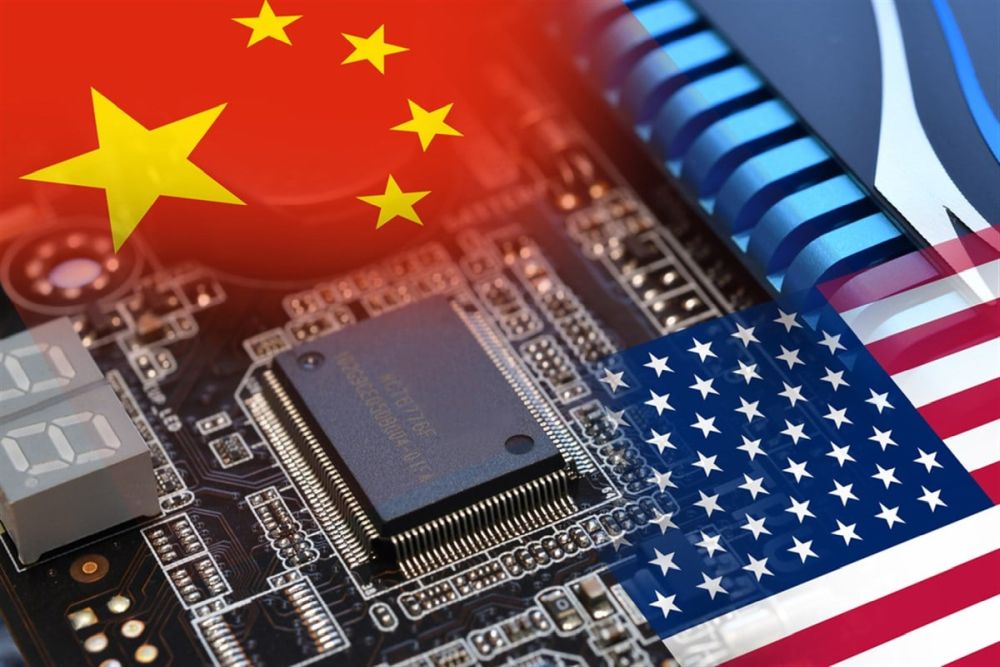
Reading Time : 2minutesAI is changing more than software. It is redrawing the strategic map of the US-China rivalry, turning chips, models, data, and markets into instruments of power. As Washington restricts access and Beijing expands its reach, both sides face an uncomfortable truth: technological dependence can become leverage for the rival it was meant to contain.
Reading Time : 2minutesElon Musk says SpaceXAI will become SpaceXSI, adopting President Trump’s federal push to call artificial intelligence “Super Intelligence.” The rebrand would be the company’s third name this year, though Musk has offered no timeline or details. It is a strikingly confident move: rename the technology first, and let actual superintelligence catch up whenever it feels ready.
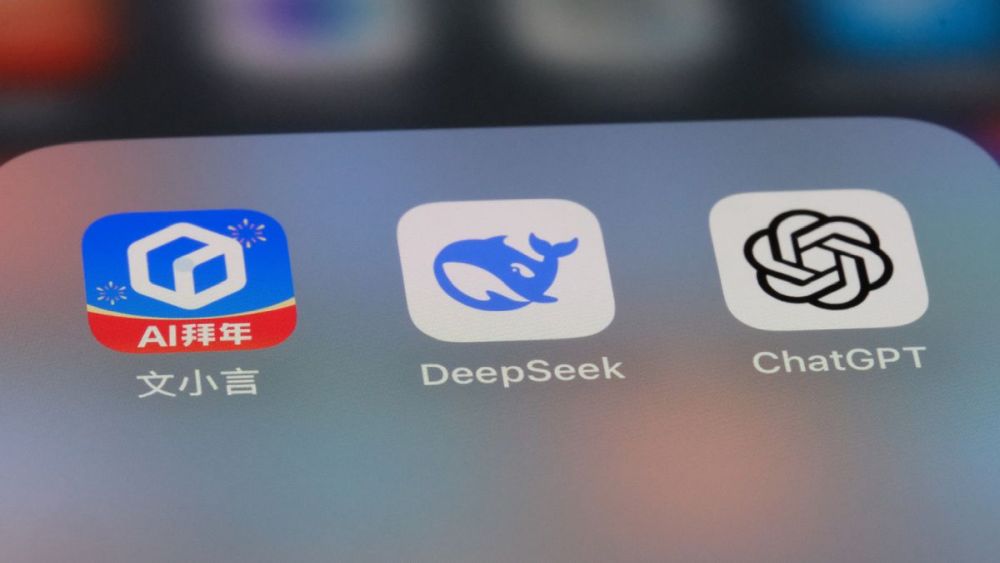
Reading Time : 2minutesDeepSeek has open-sourced a full programming toolkit for Huawei’s Ascend AI chips, aiming to challenge Nvidia’s CUDA dominance. The release includes TileLang, a high-level language designed for performance and ease of use, plus libraries optimized for large-scale training. Backed by Huawei, the move signals a serious push to build a domestic GPU software stack amid export controls.
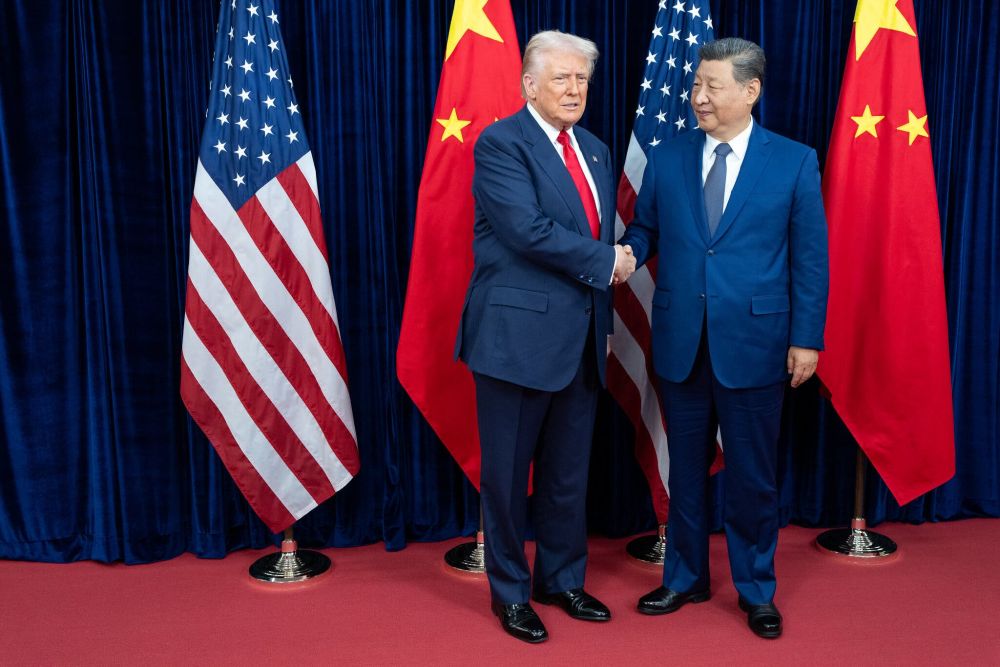
Reading Time : 2minutesTaiwan’s TAIEX has climbed near its record high as chipmakers lead a broad rally fueled by expectations for the Trump-Xi summit. Yet beneath the optimism, investors face unresolved risks involving Taiwan, trade, tariffs, and artificial intelligence. The market’s next test will be whether strong export demand and technology earnings can sustain gains after the political headlines fade.
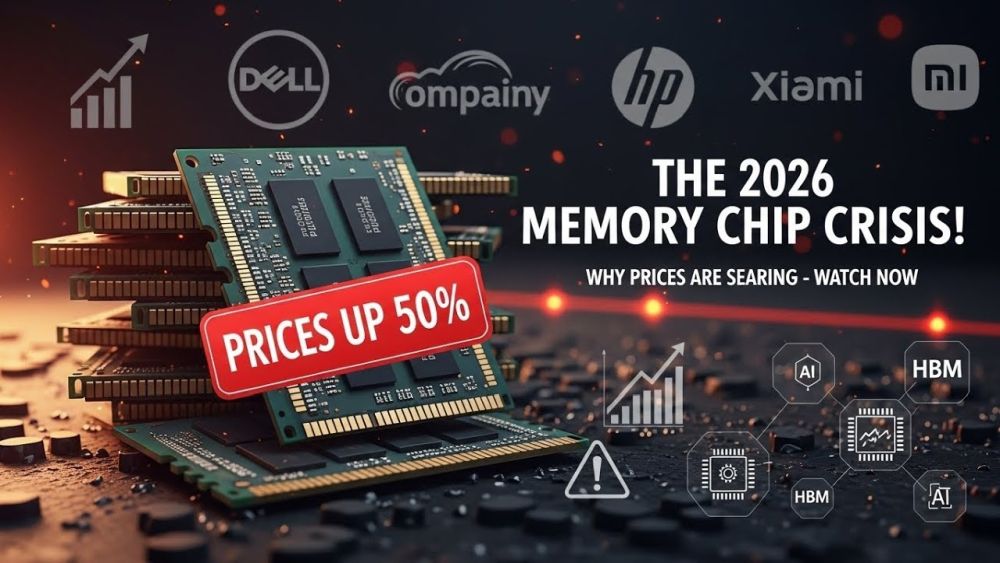
Reading Time : 3minutesAs the US spends billions on advanced chips, a critical shortage of memory chips highlights a dangerous gap in industrial strategy. While Asian giants dominate the market, high costs and low margins prevent American expansion. This investigation explores why national security plans ignore the essential components that power our digital infrastructure, leaving the economy vulnerable to supply shocks.
Reading Time : 2minutesArtificial intelligence is changing political disinformation from a labor-intensive operation into a potentially industrial process. Convincing images, voices and videos can now be produced rapidly and distributed globally. The central threat is therefore not merely that people will believe one fabricated story, but that repeated synthetic evidence could gradually destroy confidence in authentic information itself, making reality increasingly difficult to verify.
Reading Time : 2minutesU.S. Treasury Secretary Scott Bessent told G20 nations America will not accept China rivaling or supplanting it as the world’s leading economy. He urged allies to raise trade barriers against Beijing, framing containment as essential to preserving U.S. global economic primacy.
Reading Time : 2minutesMicrosoft’s AI expansion is stalling not from a lack of chips but from unfinished data centers. Billions in hardware sit idle while construction lags, delaying revenue and weakening competitiveness. Custom silicon offers little near-term relief as rivals deploy faster. With industry-wide bottlenecks intensifying, the race now hinges on whether infrastructure can catch up before the advantage evaporates.
Reading Time : 2minutesZuckerberg challenges the US to compete through innovation rather than restriction, warning that banning Chinese AI models could backfire by cementing domestic monopolies and slowing the very progress America seeks to protect. His call for open competition marks a significant divergence from peers advocating for tighter controls.
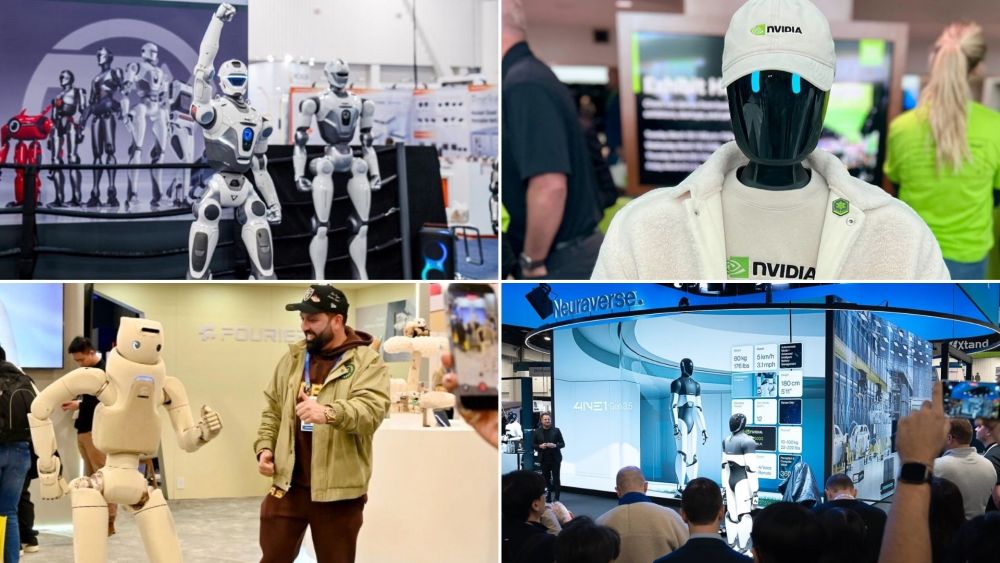
Reading Time : 2minutesBYD’s August robot debut lands as the US bans new Chinese humanoid imports, tightening the tech cold war. Designed for showrooms, Xiaodi aims to greet customers and demo cars, not storm factories. The move signals a wider pivot from EVs to embodied AI, even as Washington builds a wall around its AI supply chain. What began as a product reveal is now a geopolitical flashpoint.
Reading Time : 2minutesThe $200 billion Samsung Broadcom deal signals a deeper shift in the AI chip race, where control over supply chains is becoming as critical as innovation itself. As global players commit unprecedented sums, the battle for semiconductor dominance is no longer just technological, but strategic, economic, and increasingly geopolitical in scope.
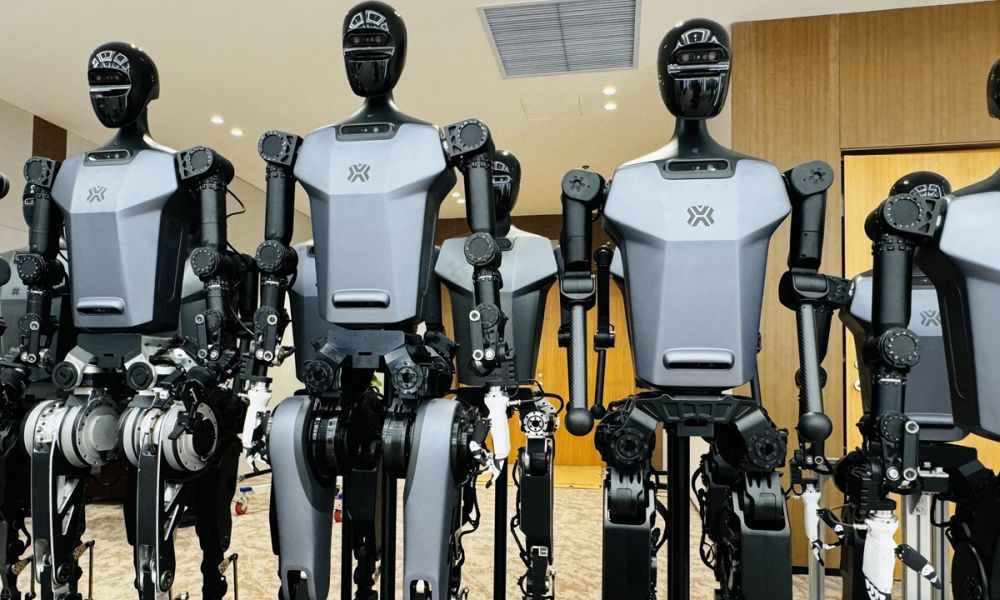
Reading Time : 3minutesIn 2025, Chinese firms shipped roughly 90% of the world’s humanoid robots, outpacing Western rivals through aggressive pricing, state-backed subsidies, and deep supply-chain advantages. While the market remains small, the imbalance signals a strategic push to turn robots into mass-produced commodities. The real contest now hinges on whether volume-driven data can overcome Western leads in advanced AI software and high-end industrial integration.
Reading Time : 2minutesA stronger dollar is not killing the carry trade but reshaping it in subtle and strategic ways. Investors are shifting funding currencies, favoring selective emerging markets, and watching China closely. What emerges is a more complex and fragile system, where opportunity still exists but depends heavily on policy signals, commodity dynamics, and currency stability.
Reading Time : 2minutesAcross Taiwan, the Fourth of July blooms into community celebrations that turn piers and rooftops into stages for shared joy. From Kaohsiung’s open-air bash to Taipei’s lively parties, music, food, and laughter weave a tapestry of connection. The season feels endless, and every smile reminds us that the best parties are built together.
Reading Time : 2minutesChina’s AI chip market is undergoing a dramatic transformation as domestic players rapidly displace foreign dominance. Driven by policy pressure and supply restrictions, the shift highlights a deeper geopolitical divide shaping global technology. As Huawei scales production and innovation, the balance of power in AI hardware is being redrawn with long term consequences.