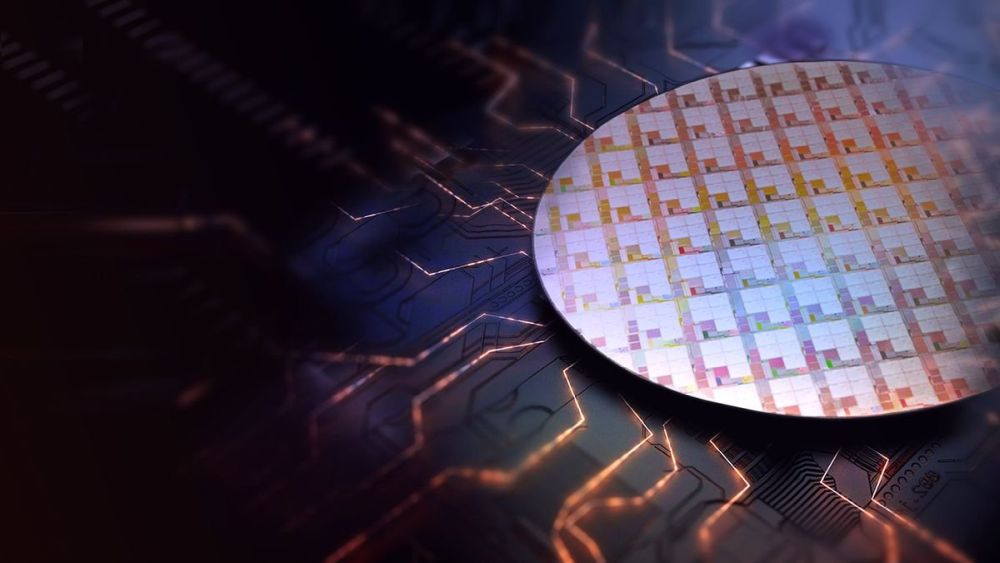
Reading Time : 2minutesTSMC’s record third-quarter revenue has strengthened the case that AI demand remains robust, but the most important evidence may come on Oct. 15. Investors will examine margins, capital spending, advanced-node production and overseas expansion plans for signs of whether the current semiconductor boom can continue. The company’s next guidance could matter more than its latest record.
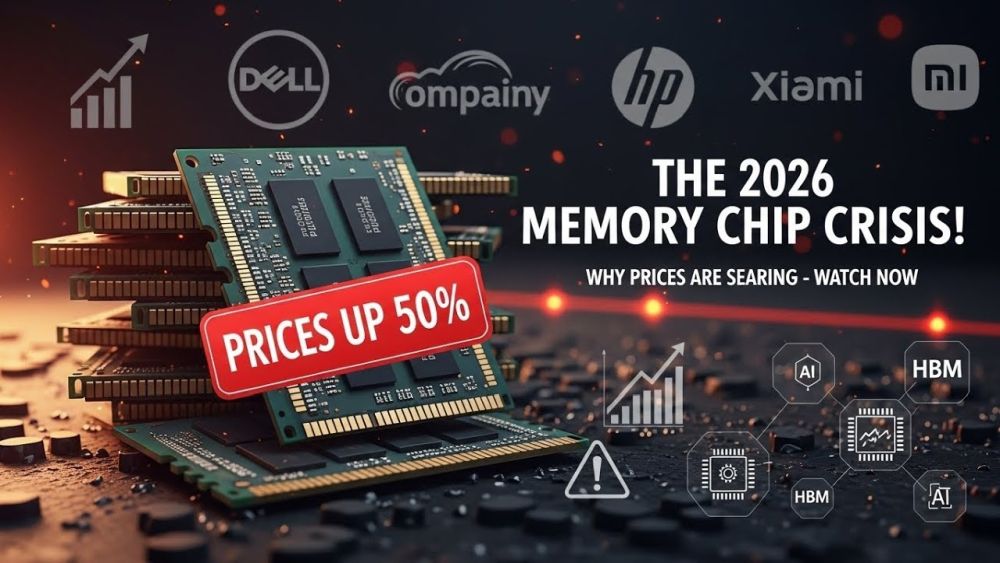
Reading Time : 3minutesAs the US spends billions on advanced chips, a critical shortage of memory chips highlights a dangerous gap in industrial strategy. While Asian giants dominate the market, high costs and low margins prevent American expansion. This investigation explores why national security plans ignore the essential components that power our digital infrastructure, leaving the economy vulnerable to supply shocks.
Reading Time : 2minutesHuawei is revolutionizing artificial intelligence infrastructure with its upcoming Ascend 960 processor family launching in 2027. Featuring advanced chiplet architectures and high speed interconnectivity capable of linking one million processors, this powerful ecosystem is empowering leading AI labs and dynamic international markets with scalable, high performance computing solutions to drive the next era of global technological innovation.
Reading Time : 3minutesASML is building far more than another semiconductor facility. Its enormous new Eindhoven campus points toward a future where artificial intelligence demands unprecedented quantities of increasingly sophisticated chips. As chipmakers push toward larger dies, denser architectures and next-generation lithography, ASML is expanding the machinery that makes those ambitions possible. The industrial race behind AI may be only beginning.
Reading Time : 3minutesXiaomi has unveiled three new XRing chips spanning smartphones, edge AI, and autonomous driving. The 3nm flagship O3 outpaces Qualcomm’s latest in early tests, while the O100 and D100 push on-device AI and vehicle intelligence toward 2027 deployment, backed by tens of billions in investment.
Reading Time : 2minutesThe release of Alibaba’s open source AI stack signals a deeper shift in the global AI race. Beyond hardware, control over software ecosystems is emerging as the decisive battleground. As China accelerates efforts to build independent alternatives, the question is no longer whether competition will intensify, but how quickly developers and enterprises will respond to these new options.
Reading Time : 2minutesThis delay highlights how component pricing can reshape product timelines even after development is complete. Nvidia faces a difficult decision between absorbing higher costs or passing them to consumers. The outcome will likely influence not only the RTX 50 Super launch but also future GPU design strategies and memory adoption across the industry.
Reading Time : 2minutesThe rapid expansion of TSMC’s Chiayi facilities highlights intensifying pressure in the AI hardware supply chain. As demand for advanced packaging outpaces supply, the company is scaling aggressively while Taiwan positions itself as a strategic hub. The move raises broader questions about capacity, competition, and the future stability of global semiconductor production.
Reading Time : 2minutesChina’s AI chip market is undergoing a dramatic transformation as domestic players rapidly displace foreign dominance. Driven by policy pressure and supply restrictions, the shift highlights a deeper geopolitical divide shaping global technology. As Huawei scales production and innovation, the balance of power in AI hardware is being redrawn with long term consequences.
Reading Time : 2minutesThis emerging partnership between Samsung and Neuralink highlights a deeper shift in the semiconductor landscape, where cutting edge neuroscience meets strategic manufacturing. As competition intensifies and supply chains tighten, alliances like this may redefine how advanced technologies are developed, controlled, and deployed across industries that are increasingly interconnected.
Reading Time : 2minutesASML’s rise to a record $674 billion valuation reflects a broader shift toward AI driven market leadership in Europe. Strong demand for advanced chipmaking tools and optimistic forecasts have propelled the company ahead of traditional sector leaders, signaling a new era where semiconductor infrastructure sits at the core of global technological and economic momentum.
Reading Time : 2minutesAs AI devours chips and borders harden, Chinese giants like Alibaba pivot to domestic memory makers amid endless shortages, betting on self-sufficiency to power their empires.
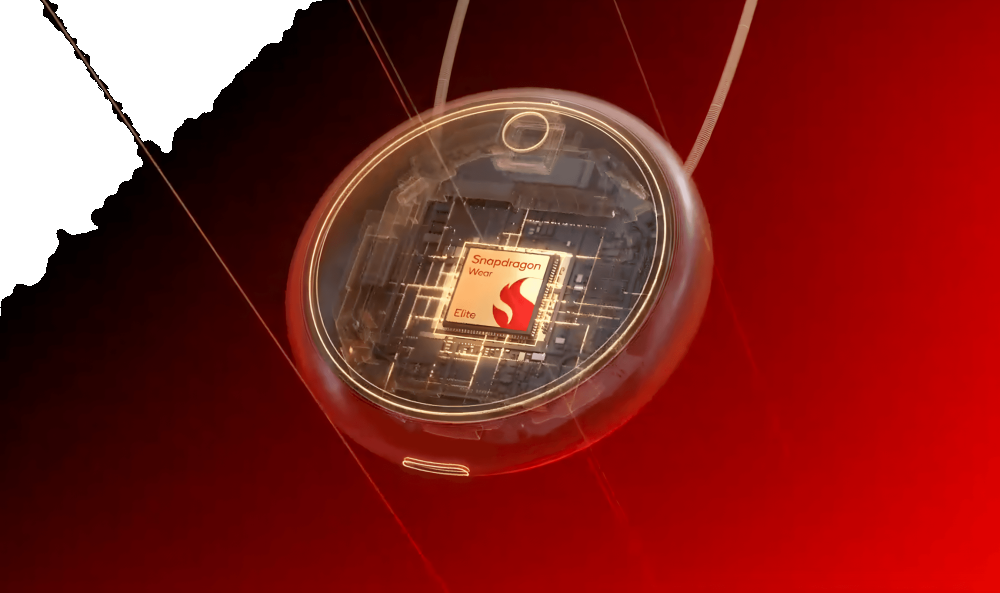
Reading Time : 2minutesQualcomm’s Snapdragon Wear Elite ignites debate on AI wearables’ independence. Packing dual NPUs for massive on-device models and hexa-connectivity, it eyes smart glasses and pins alongside watches. With Samsung, Google, and Motorola committed, is this the distributed AI network that finally unshackles gadgets from phones and clouds?
Reading Time : 3minutesChina has achieved a historic milestone by developing a working prototype of extreme ultraviolet lithography technology, challenging the global monopoly on advanced chipmaking. This monumental feat of engineering, driven by a massive mobilization of talent and resources, marks a shift toward technological independence. With a bold 2028 target for chip production, this breakthrough signals a more vibrant and competitive future.
Reading Time : 2minutesTaipei and Shin Kong Life finally reached a deal to end the rights contracts on the Beitou–Shilin Technology Park sites, clearing the way for NVIDIA to build its new Taipei base. With the investment plan already approved and negotiations nearly wrapped, the city expects signing to finish next week and construction to begin next summer.