
Nvidia’s long anticipated RTX 50 Super series appears to be caught in a quiet but significant standoff, not over engineering hurdles, but over the economics of memory. Multiple board partners are reportedly holding finished or near finished units, waiting for direction, as the company struggles to reconcile soaring GDDR7 prices with consumer market expectations. The situation suggests a deeper issue than a simple delay, pointing instead to a structural cost imbalance.

At the center of the problem lies the shift to 3GB GDDR7 modules, a move designed to boost VRAM capacity without altering board layouts or increasing chip counts. On paper, this is an efficient upgrade path that delivers up to 50 percent more memory. In practice, however, the cost of these modules has surged to levels that significantly disrupt the pricing model. With each GPU requiring several of these chips, memory alone now represents an unusually large portion of the total bill of materials.
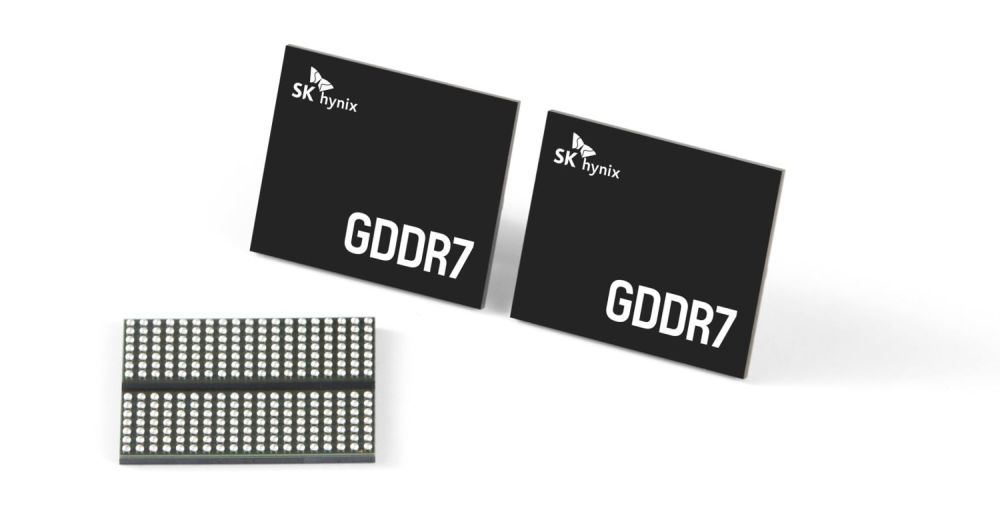
What makes the situation more unusual is that the hardware itself is reportedly ready. Units have already been distributed to partners, indicating that manufacturing and design phases are largely complete. Yet no launch window has been confirmed, and partners remain in limbo. This creates a rare scenario where supply is not the bottleneck. Instead, the hesitation stems from whether the final retail price can remain competitive without eroding margins or dampening demand.
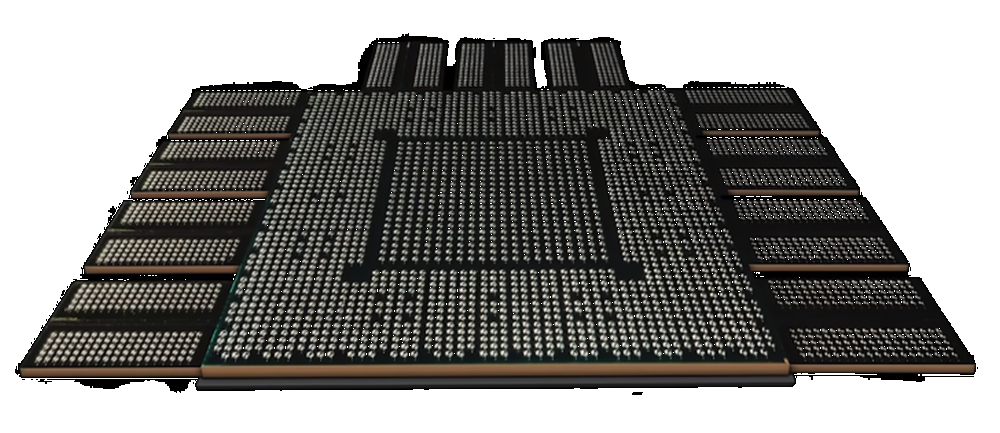
The broader context adds another layer of complexity. Nvidia has spent much of the past year prioritizing AI related hardware, where margins are significantly higher and demand remains strong. Against that backdrop, pushing forward with a gaming refresh that carries inflated component costs may not align with current business incentives. The RTX 50 Super series, once positioned as a straightforward upgrade, now reflects a balancing act between technological ambition and economic reality.

#Nvidia #RTX50Super #GPU #GDDR7 #TechNews #PCGaming #Hardware