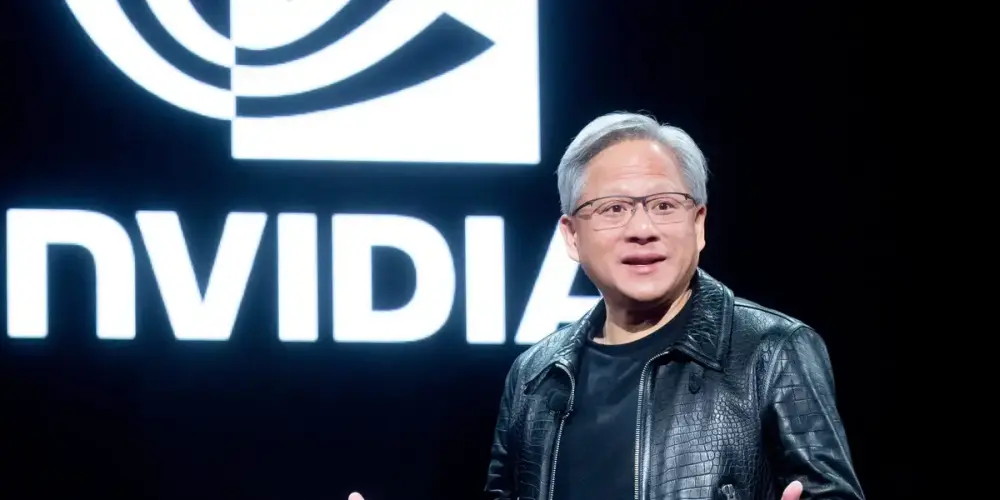
Reading Time : 3minutesJensen Huang has issued a blunt warning: artificial intelligence may become powerful and dangerous, and the United States and China cannot manage that risk alone. His call for direct dialogue between governments and researchers lands amid rising tech rivalry, export controls, and a new British push to fund AI safety research.
Reading Time : 2minutesDeepSeek has open-sourced a full programming toolkit for Huawei’s Ascend AI chips, aiming to challenge Nvidia’s CUDA dominance. The release includes TileLang, a high-level language designed for performance and ease of use, plus libraries optimized for large-scale training. Backed by Huawei, the move signals a serious push to build a domestic GPU software stack amid export controls.
Reading Time : 3minutesChina’s possible approval of Nvidia’s RTX Pro 5500 for ByteDance and Alibaba would mark a cautious reversal of last year’s restrictions, but not a return to unrestricted chip access. The decision could reflect Beijing’s need for computing power, even as it continues promoting domestic alternatives and tightly controlling Nvidia’s more advanced AI hardware. The scale, timing, and conditions of any purchases remain uncertain.
Reading Time : 3minutesAt IFA 2026 in Berlin, Nvidia unveiled PAIR, a free open-source tool that pools idle household PCs into a shared AI compute cluster, alongside streamlined one-click agent installs, major llama.cpp and vLLM throughput gains, October-bound ARM-based RTX Spark PCs branded N1X with Blackwell GPUs and Grace CPUs, and a fresh lineup of locally deployable models optimized for its RTX hardware.
Reading Time : 2minutesThis report explores how SpaceX is expanding beyond space into artificial intelligence infrastructure and defense partnerships. With massive server investments and potential government deals, the company is positioning itself as a key player in global computing power. The developments raise questions about control, competition, and the future balance between private technology firms and national security systems.
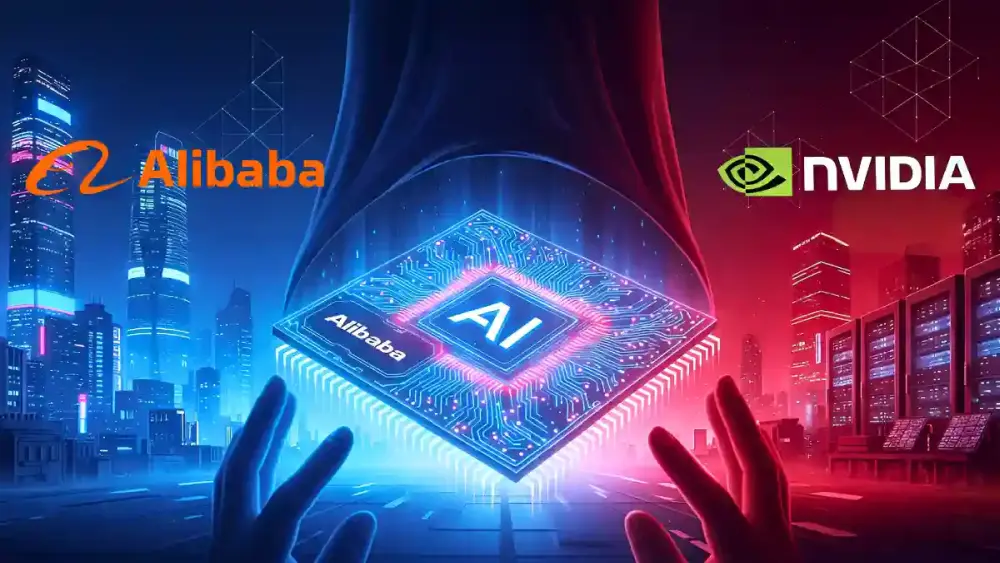
Reading Time : 2minutesThe release of Alibaba’s open source AI stack signals a deeper shift in the global AI race. Beyond hardware, control over software ecosystems is emerging as the decisive battleground. As China accelerates efforts to build independent alternatives, the question is no longer whether competition will intensify, but how quickly developers and enterprises will respond to these new options.
Reading Time : 2minutesThis delay highlights how component pricing can reshape product timelines even after development is complete. Nvidia faces a difficult decision between absorbing higher costs or passing them to consumers. The outcome will likely influence not only the RTX 50 Super launch but also future GPU design strategies and memory adoption across the industry.
Reading Time : 2minutesThis shift in Nvidia’s Asian sales strategy highlights mounting pressure on tech firms to enforce export controls independently. By cutting off loosely vetted buyers, the company is signaling a stricter compliance era. The move raises questions about how many chips previously slipped through regulatory gaps and how global AI supply chains will adapt under tightening geopolitical constraints.
Reading Time : 2minutesChina’s robotics ambitions are accelerating, and Nvidia is positioning itself at the center through talent and software rather than hardware alone. By embedding within local ecosystems, the company may bypass geopolitical limits while strengthening its role in humanoid AI. The strategy reflects a broader shift where control over intelligence platforms could matter more than control over chips.
Reading Time : 2minutesNVIDIA’s BioNeMo Agent Toolkit signals a shift from isolated AI models to coordinated agent systems capable of executing complex scientific workflows. By embedding domain expertise into programmable tasks, the company is pushing toward automated research pipelines that could compress drug discovery timelines, reshape laboratory operations, and accelerate innovation across the life sciences industry.
Reading Time : 2minutesThe RTX 5080 Super leaks suggest a memory focused upgrade with limited performance gains, raising doubts about its real world value. With higher power demands and an uncertain release timeline, the card highlights Nvidia’s shifting priorities toward AI markets, leaving gamers questioning whether the Super series will arrive in time to remain relevant.
Reading Time : 2minutesThe stalled Nvidia H200 chip sales reveal a deeper conflict between economic opportunity and national strategy. While approvals suggest openness, hidden restrictions on both sides block progress. Companies are left in uncertainty, and Nvidia faces mounting pressure. The episode highlights how global tech trade is increasingly shaped by political mistrust rather than market forces.
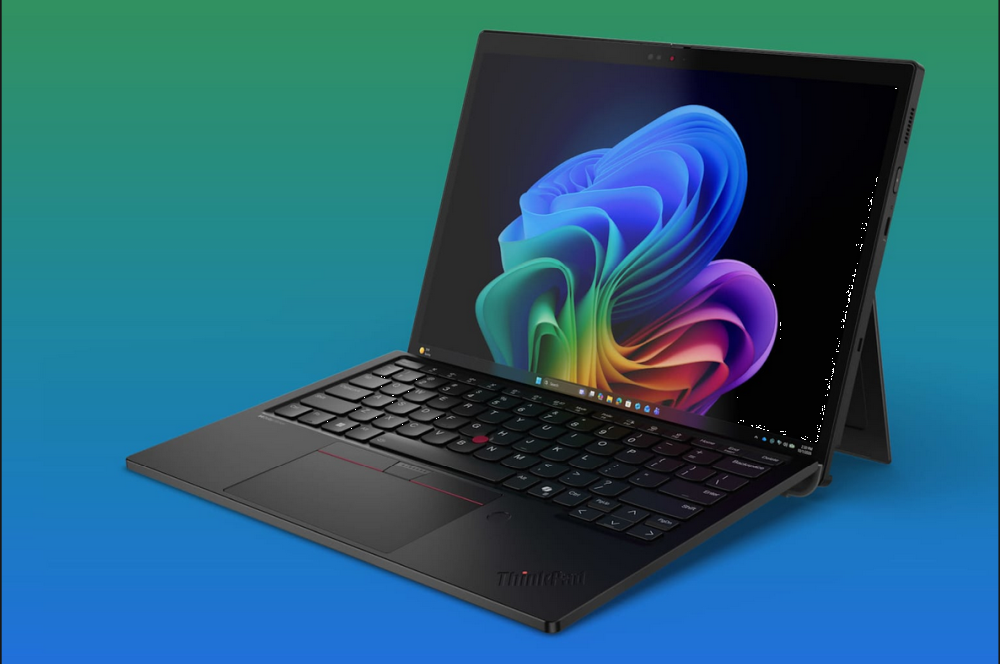
Reading Time : 2minutesLenovo unveils AI workstations with RTX PRO Blackwell GPUs and a revolutionary 1000Wh/L silicon-anode battery POC, probing the future of mobile computing power. Rollout starts Q2 2026
Reading Time : 2minutesABB and Nvidia’s HyperReality platform promises 99% sim-to-real accuracy, with Foxconn piloting it to slash robot setup costs. As rollout looms, questions swirl over factory control and true reliability in chaotic real-world tests.
Reading Time : 2minutesRecent rumors suggest NVIDIA is stopping VRAM supplies to partners, forcing independent sourcing amid AI-driven DDR5 demand. This could lead to shortages, higher costs for AIBs, and price hikes for gamers, favoring enterprise over consumers. Unverified but critical, it highlights shifting priorities in tech.