
NVIDIA is attempting to redefine how scientific work is done by translating complex biological research into structured tasks that artificial intelligence agents can execute. Its newly introduced BioNeMo Agent Toolkit signals a shift away from standalone models toward coordinated systems that can reason, plan, and act across multiple stages of research. The ambition is clear: reduce the friction between theoretical science and practical experimentation by embedding domain expertise directly into AI workflows.
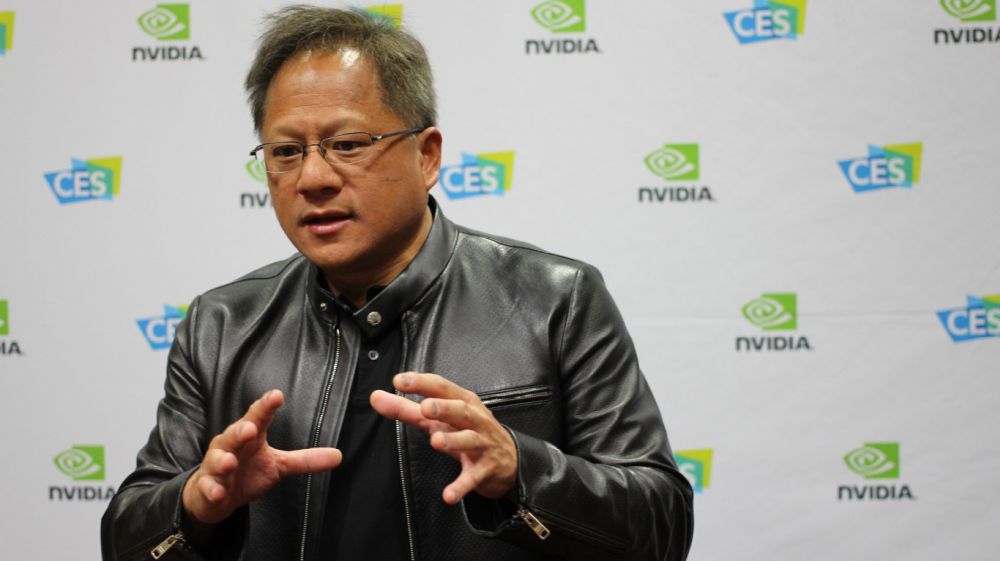
At the core of this initiative is the idea that scientific discovery can be modularized. Tasks such as molecular screening, protein engineering, and genomic interpretation are no longer treated as isolated challenges but as components in a larger, automated pipeline. By enabling agents to interact with specialized tools and datasets, NVIDIA is effectively building a digital laboratory layer where hypotheses can be tested, refined, and iterated with minimal human intervention. The implications are significant, particularly in drug discovery, where timelines and costs have historically been prohibitive.
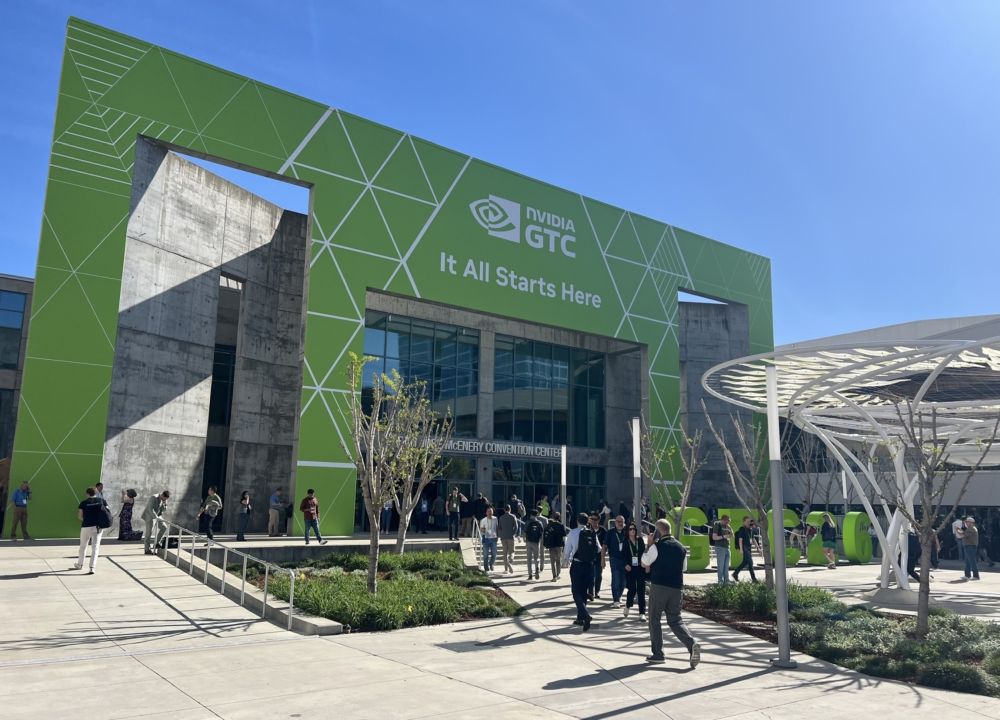
Industry uptake suggests that this is not just a conceptual leap but a rapidly forming ecosystem. Companies like Sigmatic Sciences are integrating the toolkit into platforms that already connect hundreds of scientific instruments and data systems, hinting at a future where AI agents operate across both software and physical lab environments. Meanwhile, pharmaceutical giants such as Eli Lilly are investing heavily in co-development efforts, signaling confidence that agent-based AI could reshape R and D pipelines at scale rather than simply augment them.
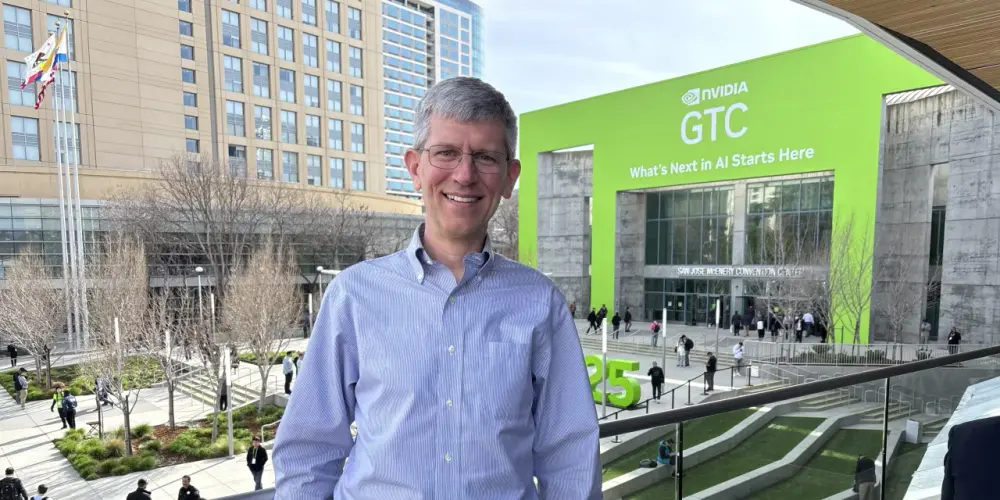
The broader context reveals a strategic convergence taking place across the life sciences sector. At major industry gatherings, the conversation is no longer centered on whether AI can assist research but on how networks of specialized agents might collaborate to solve problems that have resisted traditional methods. NVIDIA’s positioning suggests it aims to supply not just the computational backbone but the operational logic for this next phase, where scientific inquiry becomes increasingly automated, interconnected, and algorithmically driven.

#AI #NVIDIA #Biotech #DrugDiscovery #ArtificialIntelligence #HealthTech #Innovation