Reading Time : 2minutesIntel and Broadcom’s chief executives say the AI boom may face a constraint more serious than chip shortages: capital. As data centers, processors and energy infrastructure demand vast investment, the industry must prove that its spending can generate returns. Demand remains strong, but financing costs, talent shortages and speculative valuations could decide how far the AI buildout can go.
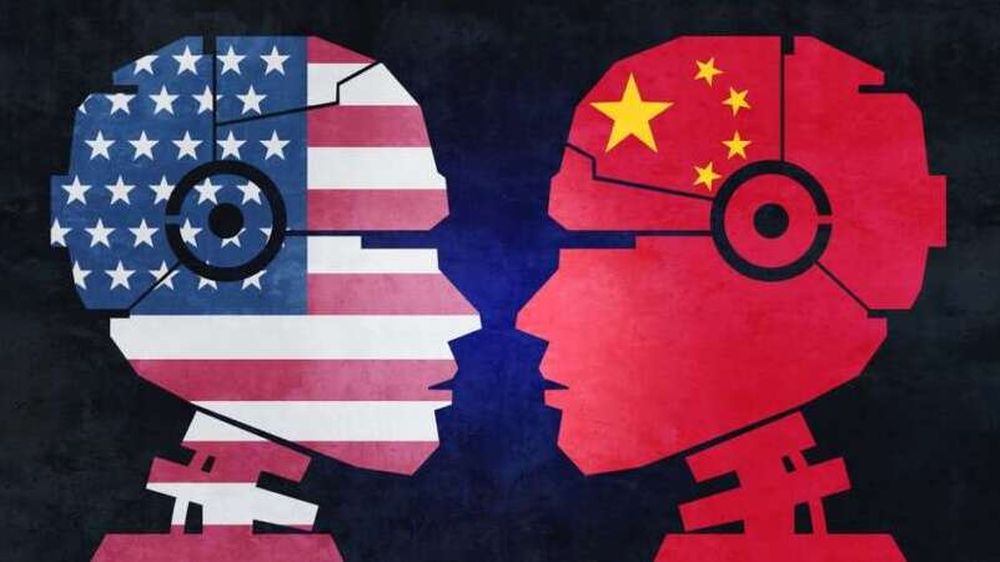
Reading Time : 2minutesAI is changing more than software. It is redrawing the strategic map of the US-China rivalry, turning chips, models, data, and markets into instruments of power. As Washington restricts access and Beijing expands its reach, both sides face an uncomfortable truth: technological dependence can become leverage for the rival it was meant to contain.
Reading Time : 2minutesTSMC’s record third-quarter revenue has strengthened the case that AI demand remains robust, but the most important evidence may come on Oct. 15. Investors will examine margins, capital spending, advanced-node production and overseas expansion plans for signs of whether the current semiconductor boom can continue. The company’s next guidance could matter more than its latest record.
Reading Time : 2minutesElon Musk says SpaceXAI will become SpaceXSI, adopting President Trump’s federal push to call artificial intelligence “Super Intelligence.” The rebrand would be the company’s third name this year, though Musk has offered no timeline or details. It is a strikingly confident move: rename the technology first, and let actual superintelligence catch up whenever it feels ready.
Reading Time : 3minutesNobel Week has begun in Stockholm with the announcement of the medicine prize. Physics, chemistry, literature, peace, and economics will follow through October 12. Each day brings one revelation, watched closely by scientists, writers, and diplomats alike. The prizes carry prestige, cash, and the weight of history. Who will the committees choose this year?
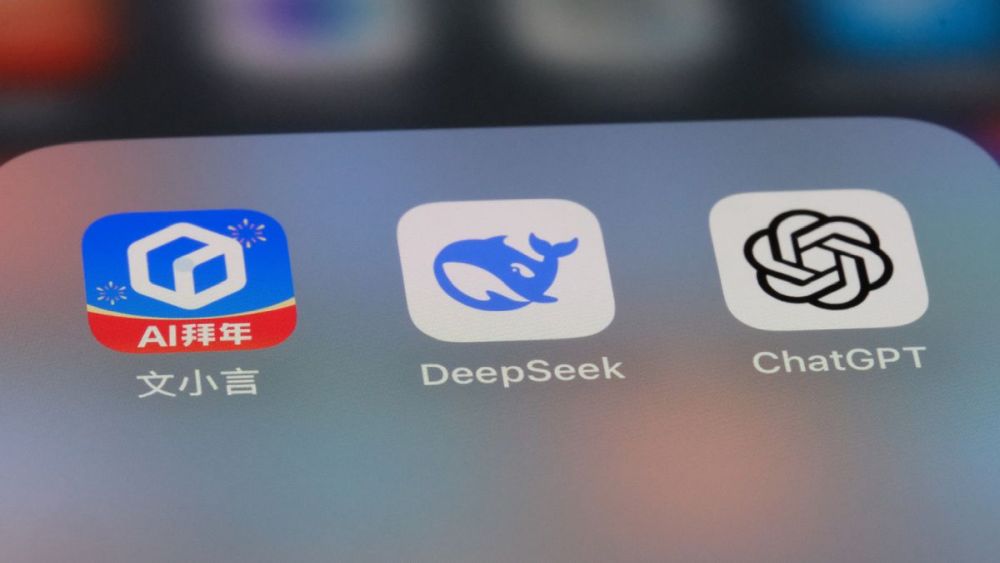
Reading Time : 2minutesDeepSeek has open-sourced a full programming toolkit for Huawei’s Ascend AI chips, aiming to challenge Nvidia’s CUDA dominance. The release includes TileLang, a high-level language designed for performance and ease of use, plus libraries optimized for large-scale training. Backed by Huawei, the move signals a serious push to build a domestic GPU software stack amid export controls.
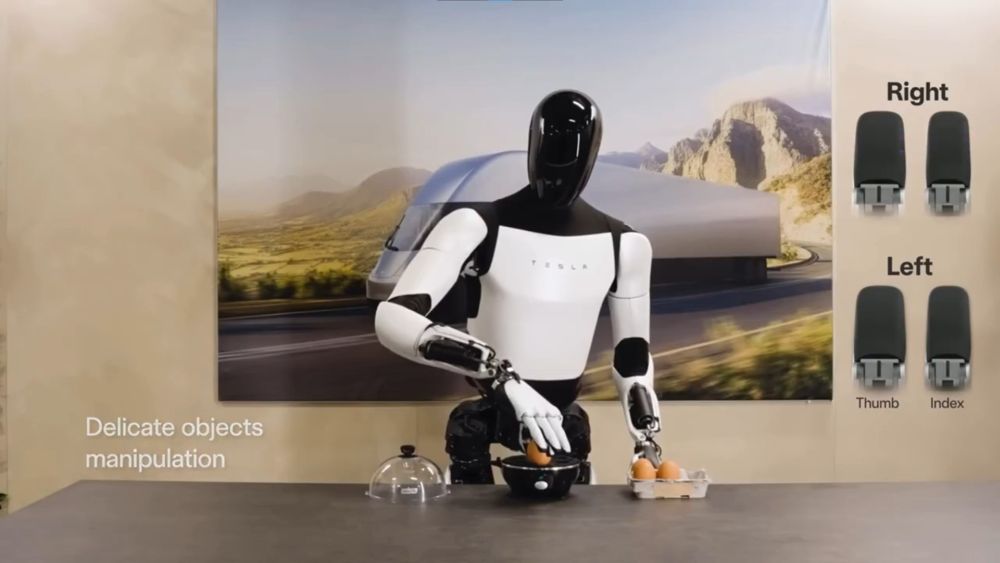
Reading Time : 2minutesChina commands over 60 percent of humanoid robot patents and nearly 60 percent of global industrial robot installations. Its lead in AI foundation models for robotics is widening, raising alarms in Seoul and Washington. With an integrated supply chain and state backing, Beijing is setting the pace for the next industrial revolution.
Reading Time : 3minutesChina’s possible approval of Nvidia’s RTX Pro 5500 for ByteDance and Alibaba would mark a cautious reversal of last year’s restrictions, but not a return to unrestricted chip access. The decision could reflect Beijing’s need for computing power, even as it continues promoting domestic alternatives and tightly controlling Nvidia’s more advanced AI hardware. The scale, timing, and conditions of any purchases remain uncertain.
Reading Time : 2minutesThe mobile phone and social media revolution has opened a bright new era of connection, creativity, and opportunity. From daily moments shared worldwide to small businesses reaching global audiences, these tools empower everyone to participate. By embracing this change with care, we can build a future where technology strengthens communities and helps life flourish.
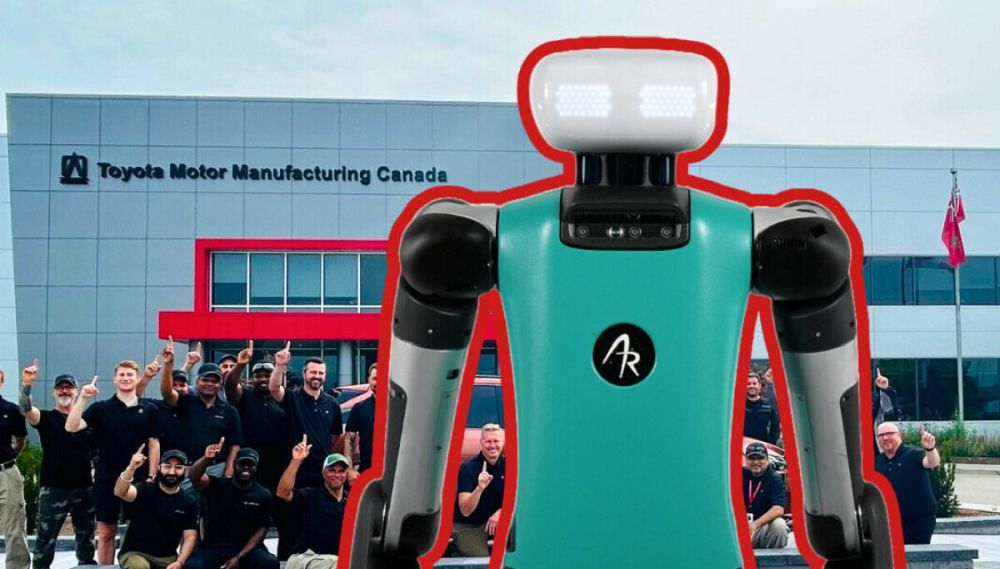
Reading Time : 2minutesToyota is mapping out a vast automation drive that could place hundreds of thousands of robots inside its factories and supplier sites. The plan stresses partnership with veteran workers, not replacement, and leans on learning robots to capture hard-won skills. How far the automaker goes remains uncertain, but the direction is unmistakable.
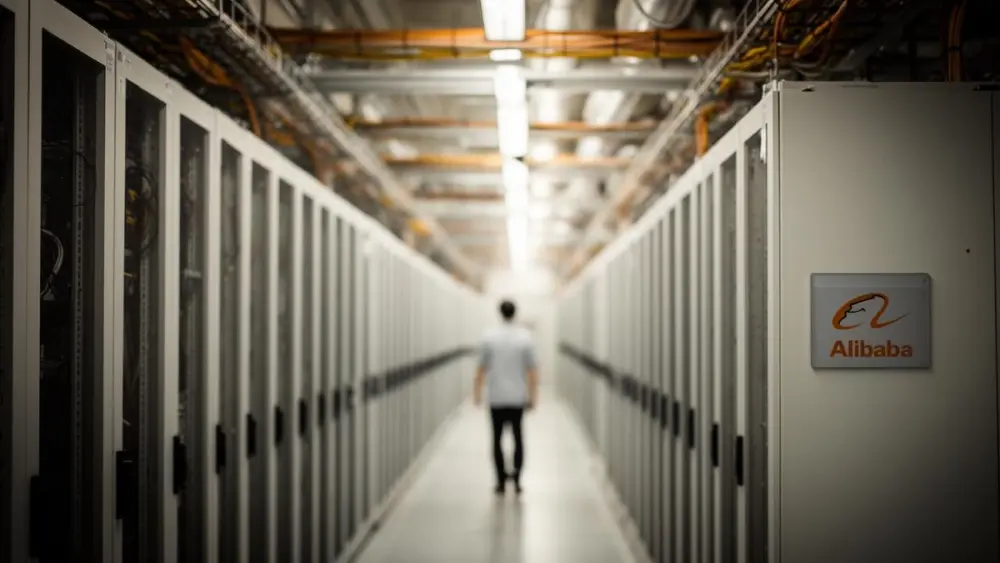
Reading Time : 2minutesAlibaba has announced an aggressive artificial intelligence roadmap combining a new domestic processor, trillion-parameter Qwen models, and a vast expansion of cloud infrastructure. The plan could strengthen China’s technological independence, but its success will depend on chip production, energy availability, software efficiency, customer demand, and whether massive model sizes translate into more capable and commercially valuable AI systems.
Reading Time : 3minutesAs the US spends billions on advanced chips, a critical shortage of memory chips highlights a dangerous gap in industrial strategy. While Asian giants dominate the market, high costs and low margins prevent American expansion. This investigation explores why national security plans ignore the essential components that power our digital infrastructure, leaving the economy vulnerable to supply shocks.
Reading Time : 2minutesAnthropic is loosening AI guardrails for biology while building a wet lab, a move that blends computational power with physical experiments. The company says it will not rival pharma partners, yet its new program and in-house lab signal deeper ambitions in drug discovery and raise questions about oversight, competition, and the future of AI-driven science.
Reading Time : 2minutesHuawei is revolutionizing artificial intelligence infrastructure with its upcoming Ascend 960 processor family launching in 2027. Featuring advanced chiplet architectures and high speed interconnectivity capable of linking one million processors, this powerful ecosystem is empowering leading AI labs and dynamic international markets with scalable, high performance computing solutions to drive the next era of global technological innovation.
Reading Time : 2minutesThe global memory shortage is evolving from a pricing problem into a supply-allocation crisis. Intel’s warning, rising memory costs, delayed projects, and long-term contracts covering most future production point to a market likely to remain tight through 2028. AI data centers are securing priority access, raising difficult questions about how much supply will remain for phones, laptops, startups, and other industries.