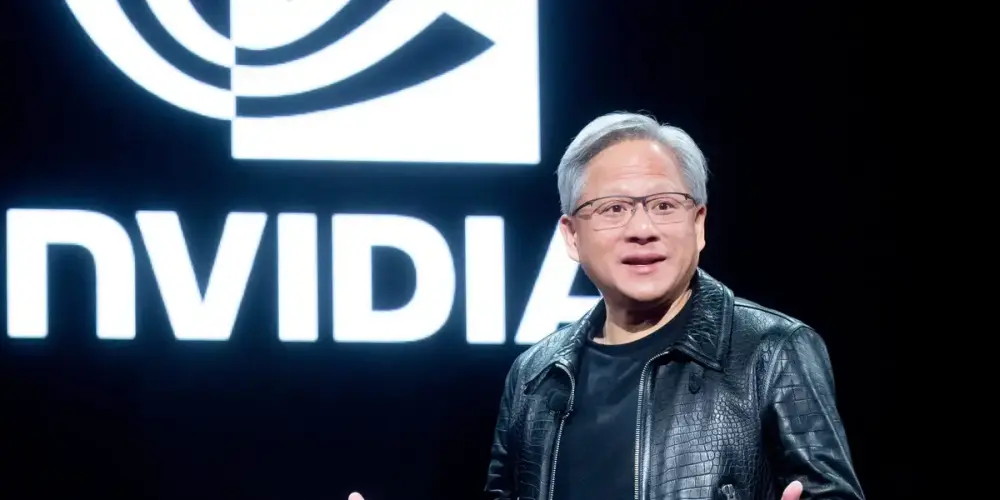
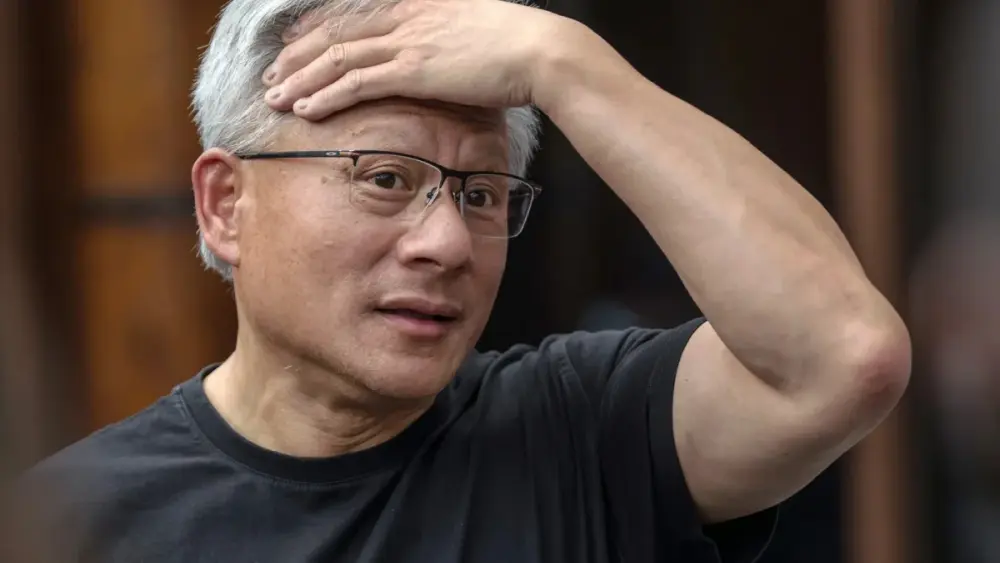
Reading Time : 3 minutesJensen Huang has issued a blunt warning: artificial intelligence may become powerful and dangerous, and the United States and China cannot manage that risk alone. His call for direct dialogue between governments and researchers lands amid rising tech rivalry, export controls, and a new British push to fund AI safety research.
Reading Time : 2 minutesArtificial intelligence is changing political disinformation from a labor-intensive operation into a potentially industrial process. Convincing images, voices and videos can now be produced rapidly and distributed globally. The central threat is therefore not merely that people will believe one fabricated story, but that repeated synthetic evidence could gradually destroy confidence in authentic information itself, making reality increasingly difficult to verify.
Reading Time : 2 minutesTop AI labs are quietly negotiating a joint standards body to test and audit frontier models before release. The push follows a stark warning from Anthropic’s CEO about accelerating capabilities and unresolved risks. Disagreements over government roles and global coordination remain.
Reading Time : 2 minutesNvidia’s Jensen Huang sees cybersecurity as artificial intelligence’s next major market, dismissing existential fears as overblown. He predicts trillion-dollar AI infrastructure spending by 2030 and points to new industry partnerships as proof that automated defense will drive the next wave of growth.
Reading Time : 2 minutesQuantum computing is pushing digital security toward a turning point. Algorithms that protect today’s communications could be broken once quantum machines reach enough power, creating risks for governments, companies, and anyone storing sensitive data. While the threat isn’t immediate, experts warn that preparation must start now, with new quantum-resistant standards already in development.
Reading Time : 2 minutes Whoscall started quietly in 2010 with a smart idea but little success. Everything changed in 2013 when Google featured the app, launching it into the spotlight. With Naver’s acquisition and smart growth, it became a major player in global spam call protection.
Reading Time : 2 minutes Cybersecurity M&A is booming in early 2025, led by 46 U.S. deals and Google’s $32B buy of Wiz. Most acquisitions target small, innovative firms.
Reading Time : 3 minutesTelegram has announced a significant shift in its privacy policy, agreeing to share user data, including IP addresses and phone numbers, with authorities under valid legal requests. This change responds to increasing scrutiny from governments and concerns about criminal activities on the platform. To maintain transparency, Telegram will publish quarterly reports detailing any data disclosures to authorities.
Reading Time : 2 minutesIT leaders are facing a chilling reality: cyberattacks are getting smarter, and traditional defenses may no longer be enough. A recent survey
Read More