
The global oil market appears to be quietly changing direction. After months of disruption tied to conflict in the Middle East, new estimates suggest that supply is once again running ahead of consumption. The shift is not dramatic at first glance, but it matters: a market that had been squeezed by interrupted exports and elevated fuel prices is now showing signs that more barrels are reaching buyers. The central question is whether this recovery can hold while the region remains exposed to renewed disruption.
The evidence rests on two forces moving in opposite directions. Middle Eastern exports have rebounded sharply, reaching about 20.7 million barrels per day in October, compared with 9.8 million barrels per day in March. That is still below prewar levels, but the recovery has been substantial. At the same time, global demand has weakened by an estimated 3.3 million barrels per day since the conflict began, as higher fuel costs and supply disruptions discouraged consumption. Together, those forces produced an estimated surplus of 1.1 million barrels per day in September, widening to 1.4 million barrels per day in October.
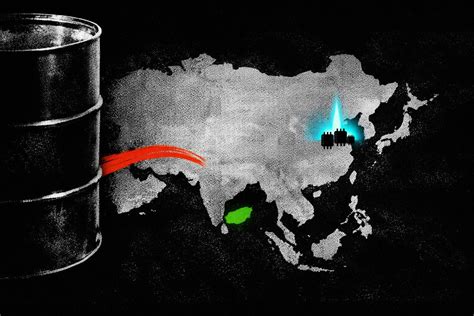
The wider supply picture reinforces that interpretation. Latin America alone is estimated to be supplying roughly 1.5 million barrels per day more crude than a year earlier, with Brazil, Venezuela, Guyana and Argentina among the main contributors. Trade data point the same way: global crude imports rose to 44.9 million barrels per day in October, up 1.3 million barrels per day year over year. In plain terms, more oil is moving through international markets, and inventories and trade flows are beginning to reflect the extra supply.
Yet prices remain elevated, and that disconnect deserves scrutiny. Brent has been volatile, rising after attacks and security concerns around the Strait of Hormuz, then falling as traders weighed prospects for de-escalation. The market may be pricing not only current barrels, but the risk that export routes, shipping costs and regional output could deteriorate again. Until the recovery in flows looks durable, the return to surplus may describe the physical balance without fully describing the price investors are willing to pay.

#OilMarkets #CrudeOil #EnergyPrices #OPEC #Brent #SupplyDemand #Geopolitics #Commodities