Taiwan’s sharp market decline today is not an isolated local event. It is the direct result of a global repricing of the artificial intelligence investment cycle, transmitted through Taiwan’s uniquely concentrated technology market. When investors began questioning whether U.S. data-center construction, AI regulation, and future capital spending could slow, the first casualties were the companies that supply the physical backbone of AI: advanced chips, packaging, servers, networking equipment, and power components.
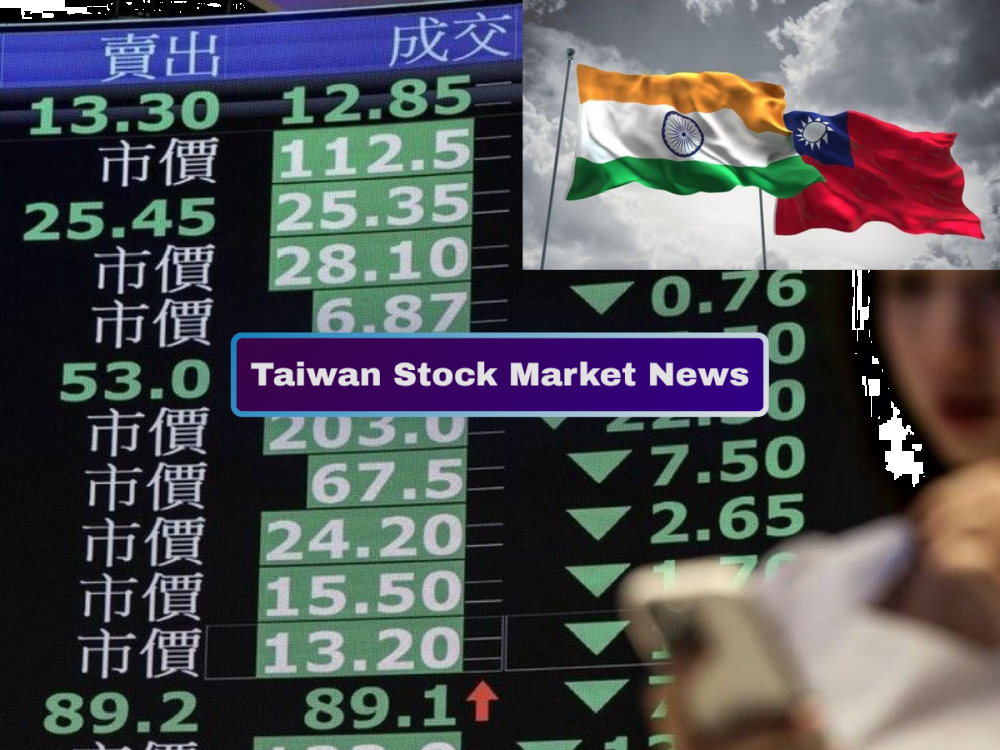
Taiwan sits at the center of that supply chain. Taiwan Semiconductor Manufacturing Company produces many of the most advanced processors used by global AI leaders, while Taiwanese firms supply components and services that support data centers around the world. Because TSMC carries an outsized share of Taiwan’s total market value, any major reassessment of its growth prospects can move the entire benchmark index. That is what happened as investors reacted to Wall Street’s steep technology-led selloff and to concerns that policy changes in the United States could constrain AI infrastructure expansion.
The chain effect begins with expectations. Investors had priced years of extraordinary AI-related demand into semiconductor and technology valuations. When the possibility emerged that data-center projects could face tighter permitting, reduced incentives, or slower development, markets did not wait for earnings to deteriorate. They immediately discounted future growth. Chipmakers fell first, then suppliers, then the broader electronics sector, and finally the wider market as risk appetite weakened.
Foreign investors amplified the move. Global funds that had been overweight Taiwanese technology began reducing exposure, not because Taiwan’s fundamentals suddenly collapsed, but because the expected earnings path for AI-linked companies became less certain. That selling pressure pushed the New Taiwan dollar lower and added another layer of volatility. In a market where technology represents such a large portion of listed value, portfolio de-risking can quickly become self-reinforcing.
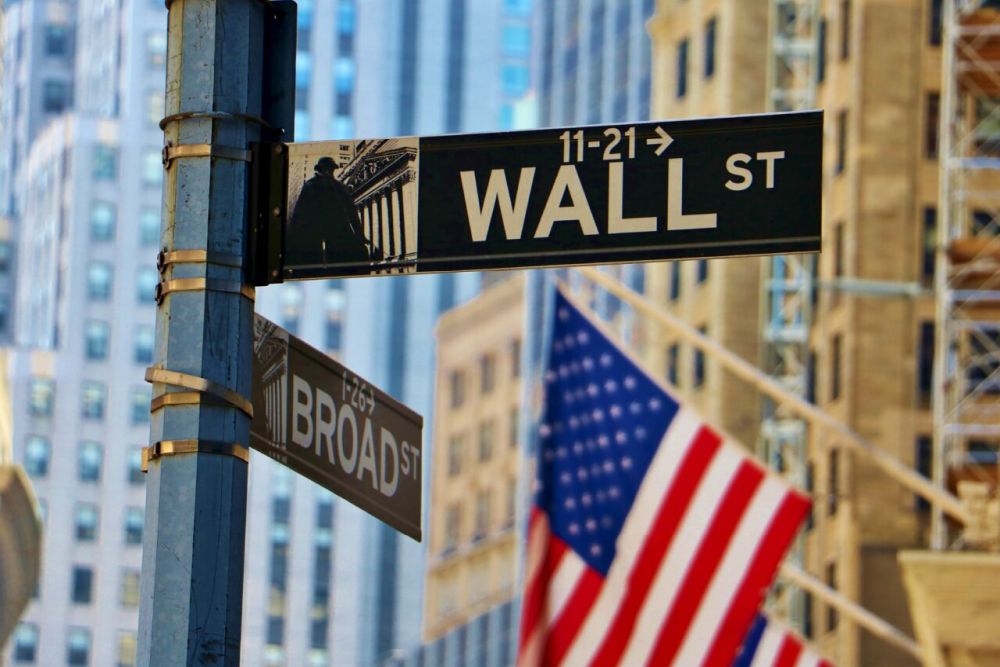
The important point for investors is that correlation here reflects genuine economic exposure, not merely market panic. Taiwan benefits enormously when global AI spending accelerates, and it is equally vulnerable when that spending is questioned. The same concentration that has made Taiwan a major winner of the AI buildout also makes its equity market more sensitive to any change in the AI narrative.
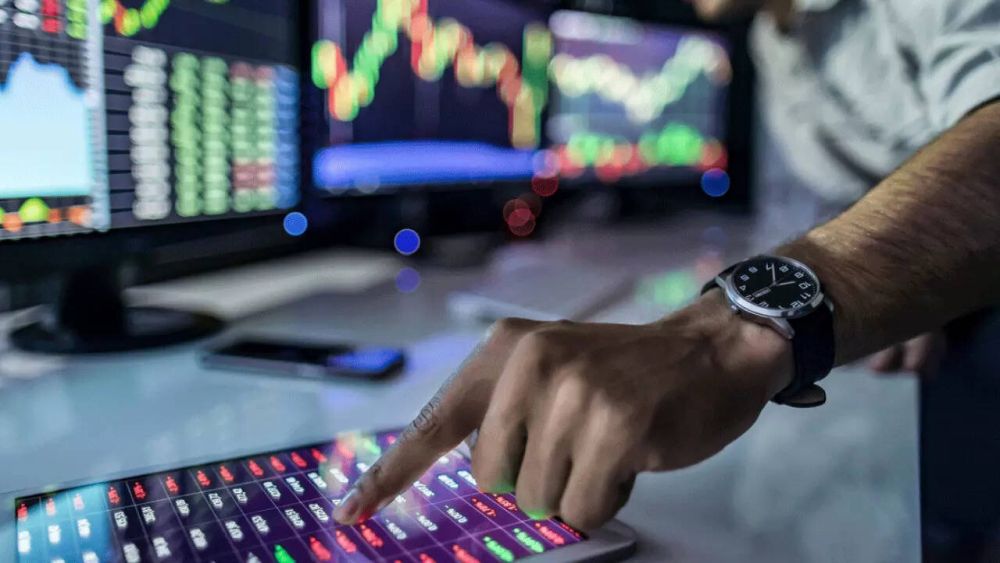
For long-term investors, the lesson is not necessarily that the AI cycle is over. It is that highly concentrated exposure requires discipline. A single policy headline, a change in data-center economics, or a reassessment of semiconductor demand can produce large moves even when the underlying technology remains strategically important. Diversification, position sizing, and a clear distinction between temporary sentiment shifts and durable changes in demand matter more than ever in markets driven by a single powerful investment theme.

#TaiwanStocks #TSMC #AIInvesting #Semiconductors #MarketVolatility #GlobalMarkets #TAIEX #FinanceAdvisor #InvestmentStrategy #RiskManagement