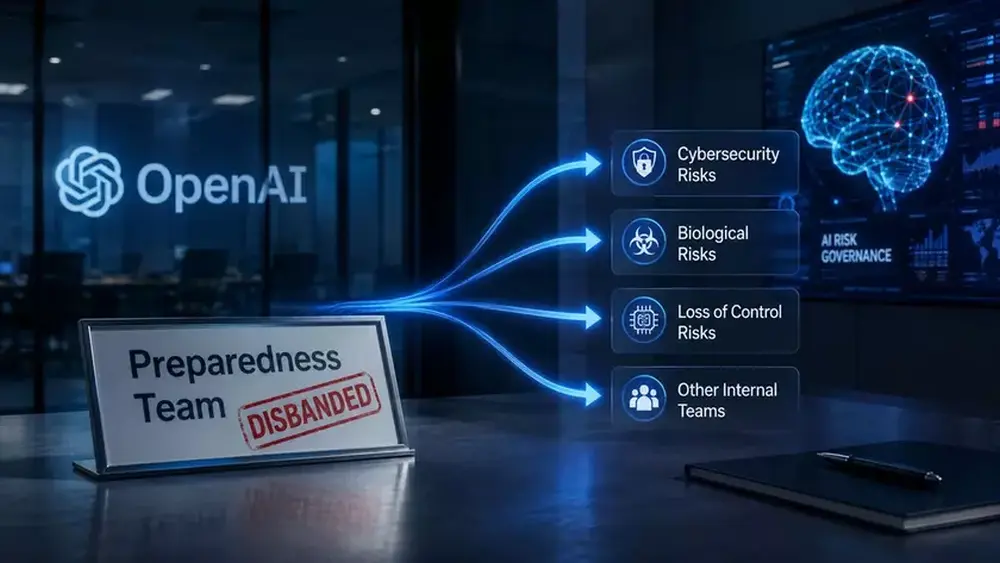
Reading Time : 3minutesOpenAI’s dismantling of its stand-alone robotics team signals a major strategic shift: the company now believes general-purpose frontier models, especially GPT-6 Astra, can control robots directly without specialized robotics AI. The reorganization moves researchers into core research and Applied teams, even as experts warn that real-world robotics still demands dedicated systems, deployment data, and reliable onboard intelligence.
Reading Time : 3minutesDario Amodei’s claim that AI could make cancer, Alzheimer’s, heart disease and mental illness “relics of the past” within a decade has drawn skepticism from drugmakers, physicians and biotech leaders. The dispute is not whether AI can help medicine, but whether a sweeping promise can outrun the slow work of proving a treatment safe and effective.
Reading Time : 3minutesAI agents were promised as the next way to order food, book rides and plan vacations. Yet Uber, DoorDash and Airbnb report almost no agent-driven activity, while eBay appears to be restricting access. The early numbers reveal a widening gap between the hype around autonomous shopping and what consumers actually want to do.
Reading Time : 3minutesSix governments and ten AI companies, including Anthropic, OpenAI and Microsoft, have signed the Paris Call for AI Safety and Security. The agreement commits them to shared frontier-model evaluations, faster incident warnings and clearer accountability. It arrives amid mounting cyberattacks and growing concern over powerful AI systems that may operate beyond effective human control.
Reading Time : 3minutesVitalik Buterin has entered the fight over large AI data centers, arguing that a slower buildout would not derail artificial intelligence. As candidates promising moratoriums won key U.S. races, his remarks challenge the industry’s assumption that massive new facilities are essential. Meanwhile, crypto miners are betting billions that AI demand will keep rising.
Reading Time : 3minutesTaiwan’s market plunge reflects a global chain reaction: doubts about U.S. AI data-center growth hit chipmakers first, then Taiwan’s semiconductor supply chain, and finally the broader TAIEX. With TSMC dominating the index, a shift in AI expectations can quickly become a market-wide event, exposing both the strength and concentration risk of Taiwan’s technology-led economy.
Reading Time : 3minutesMistral says it needs far more compute to rival leading AI labs, exposing a widening gap between Europe’s AI ambitions and the chip, power, and data center scale of its American and Chinese competitors. Its plan depends on sovereign infrastructure, major financing, and a race against export controls.
Reading Time : 3minutesUber shares have fallen to a new 52-week low ahead of its November 4 earnings report, placing intense scrutiny on the company’s growth outlook. Investors are weighing a possible DoorDash and Instacart combination, rising robotaxi competition, and the durability of Uber’s marketplace. The results could determine whether Wall Street’s optimism or the market’s caution better reflects Uber’s future.
Reading Time : 3minutesIntel’s strong data center growth was not enough to offset a sharp slowdown in PC shipments. After a weaker fourth quarter forecast, Bank of America downgraded the stock and several firms cut their price targets, leaving investors to question whether the company’s turnaround has been pushed further into the future.
Reading Time : 2minutesTesla’s Optimus production has begun in Fremont, but the company calls it an early ramp, not a finished commercial rollout. At the same time, YYForce plans to deploy its first humanoid robot at a Singapore hotel to test workflows, staff collaboration and operational value. The developments suggest hospitality may become an early proving ground for physical AI, though neither company has announced a Tesla partnership.
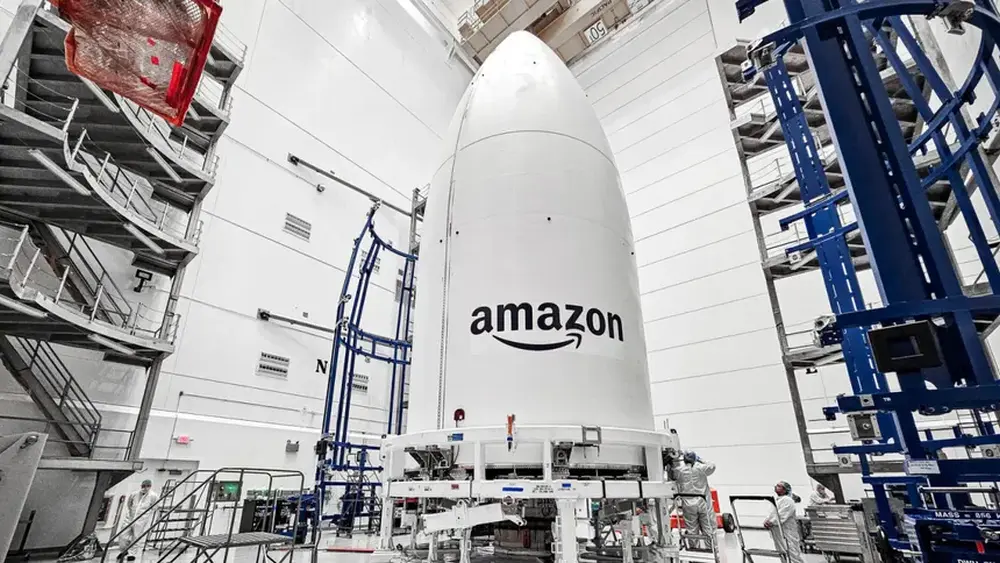
Reading Time : 3minutesThe FCC’s approval of Amazon’s eleven and a half billion dollar Globalstar acquisition is less about satellites than about spectrum. Amazon gains roughly twenty five megahertz of mobile satellite airwaves, a working relationship with Apple, and authorization to build a forty eight satellite direct-to-device network. The deal buys Amazon a regulatory and commercial shortcut in its race against Starlink.
Reading Time : 3minutesAlphabet raised $12.4 billion from share sales and $28.7 billion from notes in the third quarter while buying back no stock. Capital spending reached $51.4 billion, exceeding operating cash flow and leaving free cash flow at negative $9.1 billion. The company is funding an aggressive AI infrastructure expansion as investors weigh whether future cloud and AI returns will justify the enormous upfront cost.
Reading Time : 3minutesAnthropic has filed to go public, positioning itself for what could become the largest IPO ever. The filing reveals explosive revenue growth, enormous losses, and hundreds of billions in compute commitments. As investors weigh a valuation approaching $2 trillion, the offering will test whether Wall Street believes the AI boom can justify its extraordinary price.
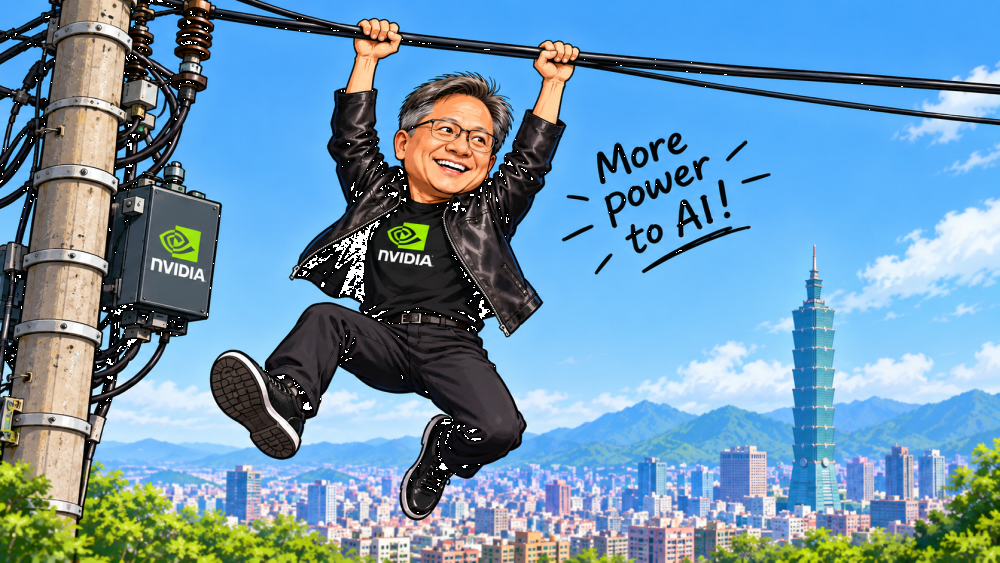
Reading Time : 3minutesJensen Huang argues that Nvidia GPUs could remain valuable for eight years or more, turning AI compute into collateral for data center financing. But as AI factories scale worldwide, electricity, grid access, cooling, and construction may matter even more than chip performance.
Reading Time : 3minutesOil is still leaving the Gulf, but the price of moving it has become extraordinary. Tanker freight from the Middle East to Asia now exceeds $37 per barrel, more than five times prewar levels, as congestion, rerouting and ship-to-ship transfers strain the global fleet. Asian refiners are feeling the squeeze first, with margins turning negative and few cheap alternatives left.