
Hashtags:
Silicon Valley has spent months promising that AI agents will soon take over the small, repetitive parts of daily life. They would compare flights, order dinner, reserve a ride and make purchases without opening an app. But the companies that own those transactions are offering a blunt reality check: so far, almost nobody is letting an AI agent do the buying.
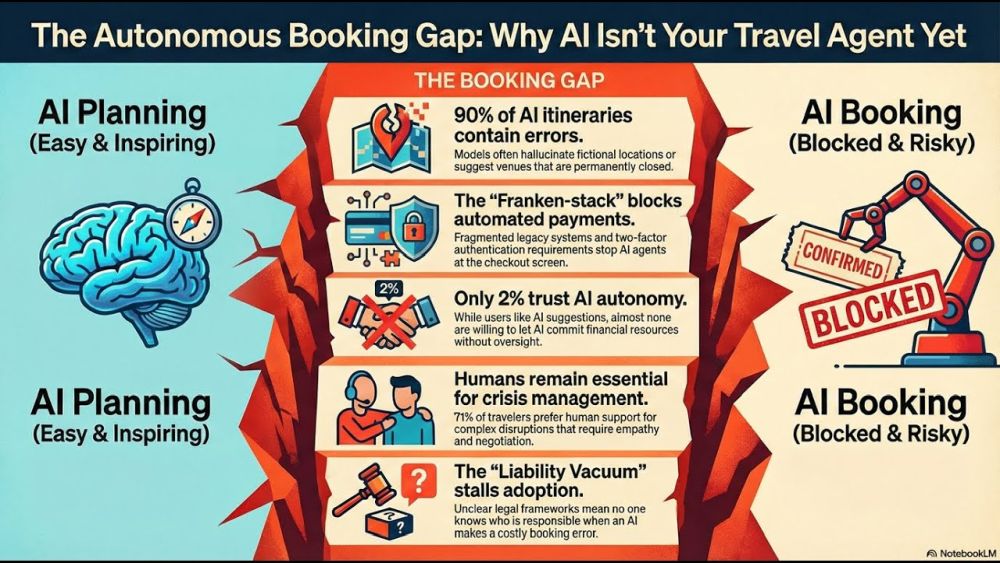
Uber provided perhaps the clearest measure of the gap. During the week of Halloween, one of its busiest periods, the company processed roughly 320 million rides and food deliveries. AI agents booked four rides and about 500 Uber Eats orders. Those are not simply small numbers; they are almost invisible against the scale of Uber’s normal business. The company’s chief executive also pointed to a practical reason: many people can order a ride in about 50 seconds and a meal in about 90 seconds, leaving little time for an agent to make the process meaningfully easier.
DoorDash and Airbnb tell a similar story. DoorDash’s chief executive said third-party agents had generated perhaps several hundred orders since they became available, a tiny fraction of the platform’s enormous delivery volume. Airbnb said that, out of nearly half a million daily bookings, only a very small number came through outside agents. Its chief executive argued that travel is not merely a task to complete. People enjoy browsing photos, comparing places to stay and making decisions with the people they will travel with, which makes a general-purpose agent a poor substitute for the planning process itself.
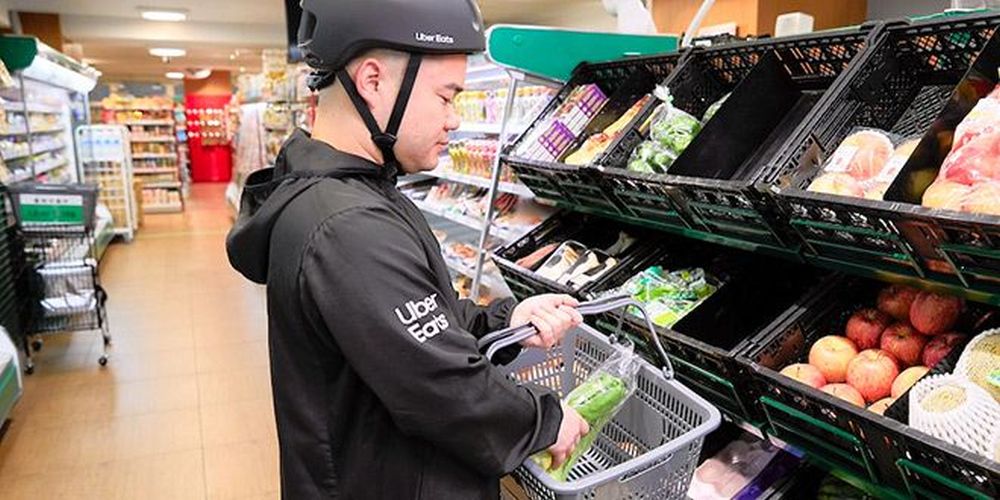
The companies are not ignoring AI, but they are trying to control it. Uber is developing tools that help customers build shopping baskets, while DoorDash is testing ways to turn lists and photos into orders. Airbnb plans to introduce its own trip-planning assistant rather than rely entirely on outside agents. Meanwhile, eBay appears to have limited access for third-party agents, including Meta’s Muse, citing concerns around scraping, data use and orders placed without human review. The message from the marketplace side is clear: AI agents may eventually become a major channel, but platforms intend to decide when, how and on what terms that happens.

#AIAgents #Uber #DoorDash #Airbnb #eBay #Meta #AIShopping #TechNews #FutureOfCommerce #DigitalEconomy