Taiwan has delivered a clear public verdict on one of its most divisive energy questions. In a referendum held alongside local elections, voters approved a proposal to use nuclear power to support economic growth and abolish the government’s long-standing “nuclear-free homeland” policy. Preliminary figures showed more than 7.4 million votes in favor and roughly 4.6 million against, with turnout reaching 62.79 percent. The measure, Referendum No. 22, was promoted by the opposition Kuomintang and backed by the Taiwan People’s Party, making nuclear power a central issue in a broader electoral contest.
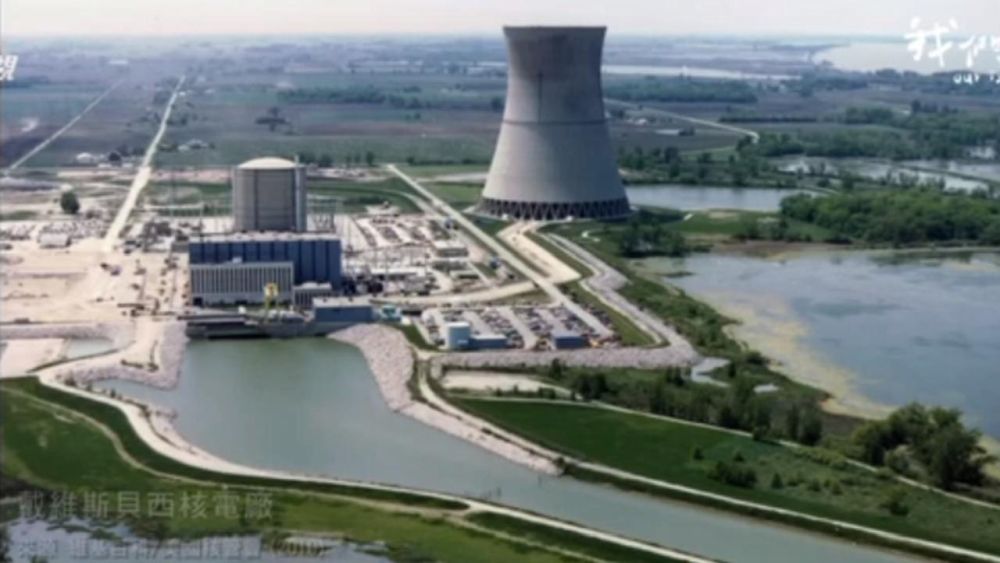
Supporters framed the referendum as a response to Taiwan’s growing energy pressures. The island’s semiconductor and artificial intelligence industries depend on stable electricity, while Taiwan imports most of its energy. Advocates argued that nuclear generation could provide reliable, low-carbon baseload power, reduce reliance on imported natural gas, and strengthen resilience in an economy where even short supply disruptions carry strategic consequences. For them, the vote reflected concern that Taiwan cannot afford to exclude a proven large-scale energy source from its planning.
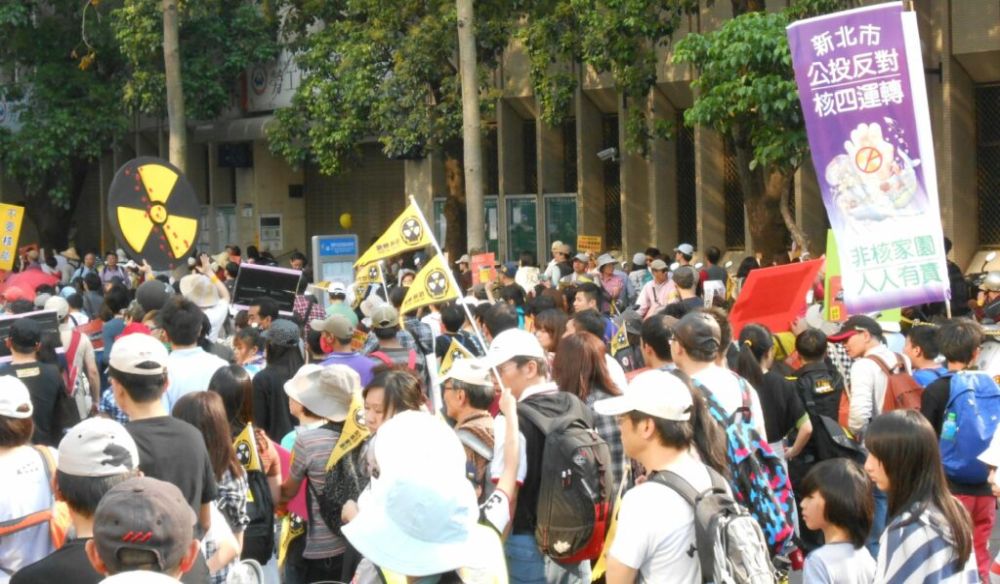
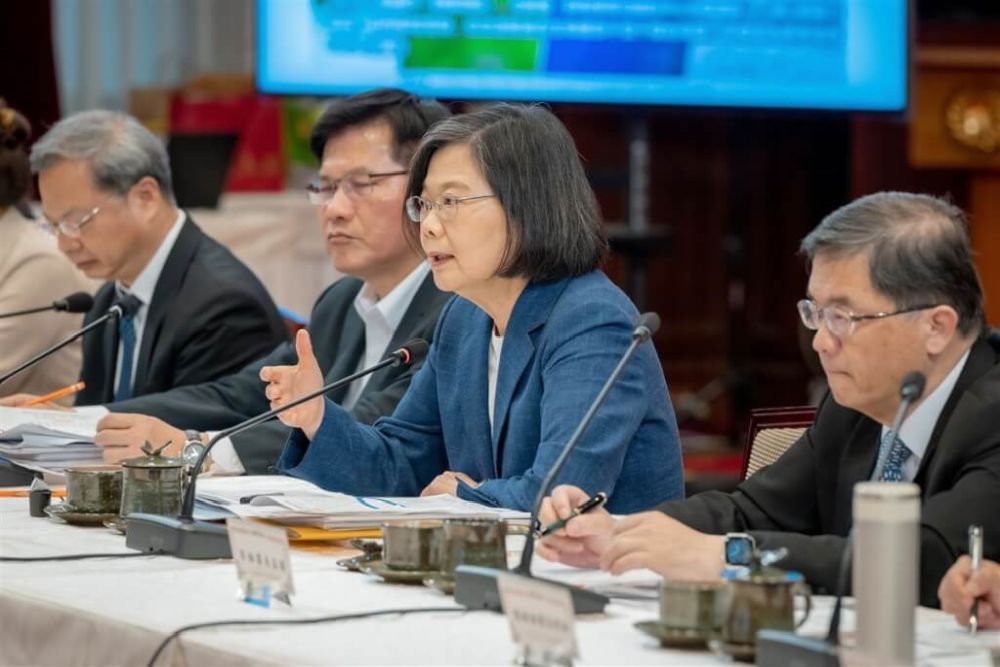
Opponents see a fundamentally different risk. The ruling Democratic Progressive Party and anti-nuclear groups have warned that Taiwan’s seismic environment, dense population, and unresolved radioactive-waste storage make nuclear power difficult to manage safely. The government said it respects the result but will continue expanding renewable energy while maintaining that nuclear safety, a waste solution, and social consensus are prerequisites for any nuclear future.
The referendum does not restart any reactor. Taiwan’s last operating reactor, at the Maanshan plant, shut down in May 2025, and Taipower must still complete safety inspections, submit further reports, and obtain regulatory approval before the Maanshan or Kuosheng plants can generate electricity again. The vote creates political space for a change of course, but the decisive questions now move from the ballot box to regulators, engineers, and the unresolved problem of radioactive waste.

#Taiwan #NuclearPower #NuclearReferendum #EnergyPolicy #Maanshan #Kuosheng #EnergySecurity #Taipei #NuclearSafety #TaiwanPolitics