
The cost of moving crude from the Middle East Gulf to Asia has climbed above $37 per barrel, more than five times its level before the conflict began. The figure is striking because it concerns not the price of oil itself, but the expense of transporting it. For a very large crude carrier loaded with roughly two million barrels, freight now exceeds $74 million for a single voyage, compared with less than $15 million before the war. That shift reveals how quickly a security crisis at sea can become a cost crisis on land.
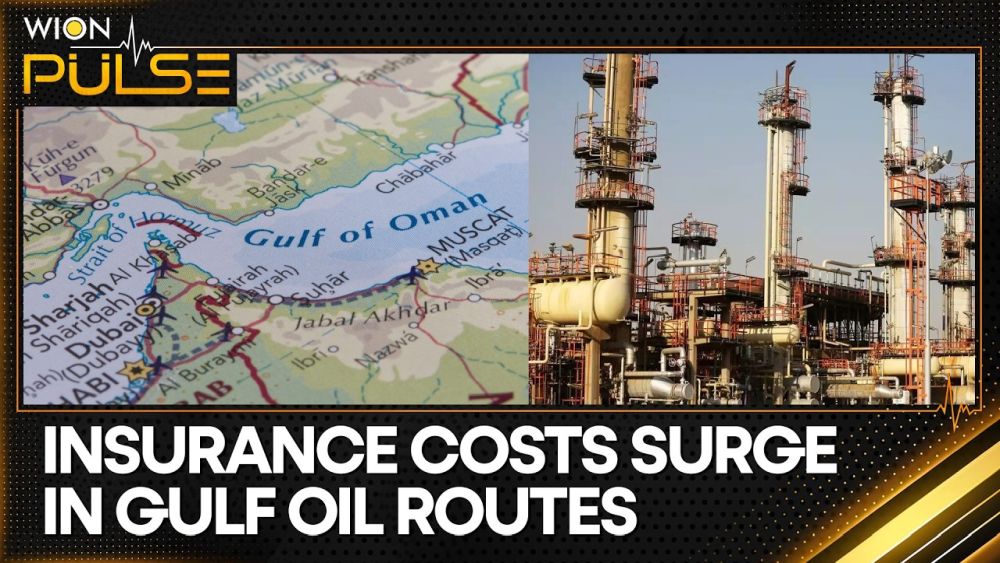
The surge has several causes, and none of them is simple. Congestion around the Strait of Hormuz has slowed vessels, while traders have rerouted cargoes and relied more heavily on ship-to-ship transfers. Those workarounds keep oil moving, but they lengthen voyages, reduce the number of ships available for new bookings, and make the entire tanker fleet less efficient. Demand for large crude carriers also rose about 20 percent year on year in the third quarter when measured in tonne miles, a measure that captures both cargo volume and distance travelled.
The pressure is no longer confined to the Gulf. Shipping West African crude to Europe on a Suezmax vessel now costs more than $22 per barrel, while North Sea Aframax rates have tripled to more than $6 per barrel. Product tankers have been drawn into the disruption as owners shift larger vessels into the more lucrative crude trade, leaving fewer ships available for refined-product cargoes. The result is a broader tightening across tanker markets, with freight rates from the Gulf to Japan approaching $27 per barrel.
For Asian refiners, the consequences are immediate. Many depend on Middle Eastern crude, and the extra transport cost has pushed margins for processors of medium sour crude into negative territory. Switching suppliers offers only limited relief because moving US Gulf Coast crude to Asia can cost about $33 per barrel, while shipments to Europe exceed $24 per barrel. Oil is still flowing despite attacks and disruption, but the question is increasingly not whether crude can reach refineries. It is who will absorb the extraordinary cost of getting it there.

#OilMarkets #TankerRates #StraitOfHormuz #EnergySecurity #CrudeOil #Shipping #Refining #GlobalTrade