
Tesla’s latest earnings call offered a familiar mix of ambitious timelines and careful qualifications. The company said it is trying to get the first Cybercabs to customers by the end of 2026, a target that would mark a major step for a vehicle Tesla has positioned as central to its autonomous future. Yet the more revealing detail came in what executives did not promise: broad consumer ownership. Engineering chief Lars Moravy noted that every Cybercab currently built in Texas is going into Tesla’s own fleet, while Elon Musk added that the vast majority of the vehicles would be Tesla-owned and operated as part of a transport-as-a-service business. That framing turns the Cybercab from a conventional product launch into something closer to a fleet rollout.
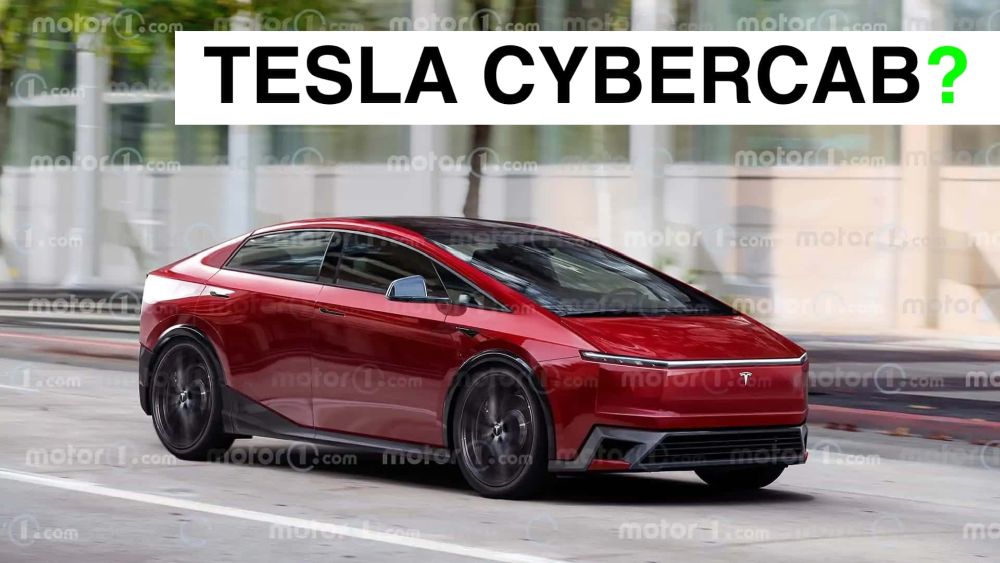
The ownership question matters because it shapes what customers can actually expect. If most Cybercabs remain under Tesla’s control, early buyers may be purchasing access to a service rather than a fully independent vehicle. Musk’s remarks suggest Tesla sees the robotaxi model, not private sales, as the primary commercial engine. The company also pointed to rapid growth in Austin, where it said the Cybercab fleet had expanded roughly tenfold since launch about a month earlier. That is an impressive operational signal, but it also reinforces the impression that Tesla is prioritizing controlled deployments where it can manage routes, maintenance, safety oversight, and data collection before opening the platform more widely.
The same caution appeared in Tesla’s updated Full Self-Driving timeline. AI chief Ashok Elluswamy said the first customer vehicles could join the Robotaxi fleet around the second quarter of 2027, but only within the geofenced areas where Tesla’s Robotaxi service already operates. That is a much narrower promise than the long-standing vision of a car that can drive itself anywhere. It means an owner’s vehicle may eventually operate without supervision, but only in approved zones, under conditions Tesla defines. For a company that has spent years promising unrestricted autonomy, the distinction is significant. It suggests Tesla is treating unsupervised driving as a staged expansion rather than a single software switch.
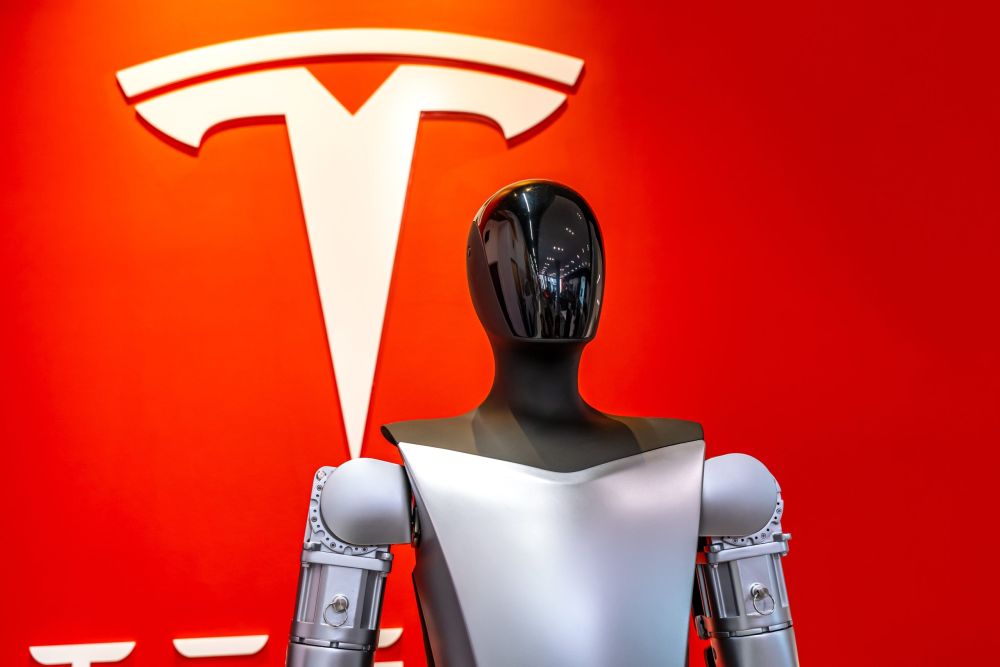
There were broader signals of scale, too. Musk said Tesla is targeting roughly five million vehicles annually by 2030, claimed nearly all of its 2027 Megapack capacity is already sold, and described early production of the Optimus humanoid robot in Fremont. But even there, he urged restraint, saying it could take at least a year, and perhaps longer, to reach a production pace of 20,000 robots per week. The pattern across the call was consistent: Tesla is presenting a future built on autonomy, robots, and energy storage, while quietly resetting expectations around when ordinary customers will receive those capabilities and how much control they will actually have.

#Tesla #Cybercab #Robotaxi #FSD #AutonomousDriving #EV #ElonMusk #Optimus #FutureOfMobility