
The signing of the Paris Call for AI Safety and Security marks one of the most consequential attempts yet to build a common response to the risks posed by advanced artificial intelligence. Six governments and ten AI companies, including Anthropic, OpenAI and Microsoft, agreed on Monday to a nonbinding declaration that commits them to shared evaluations of frontier models, early-warning systems for serious incidents and clearer accountability for developers. The national signatories were Bahrain, Canada, Finland, France, Norway and the Netherlands, while Black Forest Labs, Cohere, Domyn, Hugging Face, Mistral AI, Sakana AI and Synthesia joined the corporate side.

French President Emmanuel Macron convened roughly 50 participants by video link, drawing together heads of state, researchers, civil-society representatives and leaders of major AI laboratories. Leaders from the United Kingdom, Japan and Sierra Leone participated in the discussions but did not appear among the signatories. U.S. Treasury Secretary Scott Bessent, along with representatives from the United Nations and the OECD, also joined. The presence of OpenAI chief executive Sam Altman, Anthropic chief executive Dario Amodei and Microsoft President Brad Smith underscored the unusual scale of the gathering, even as the final text stopped short of imposing binding obligations.
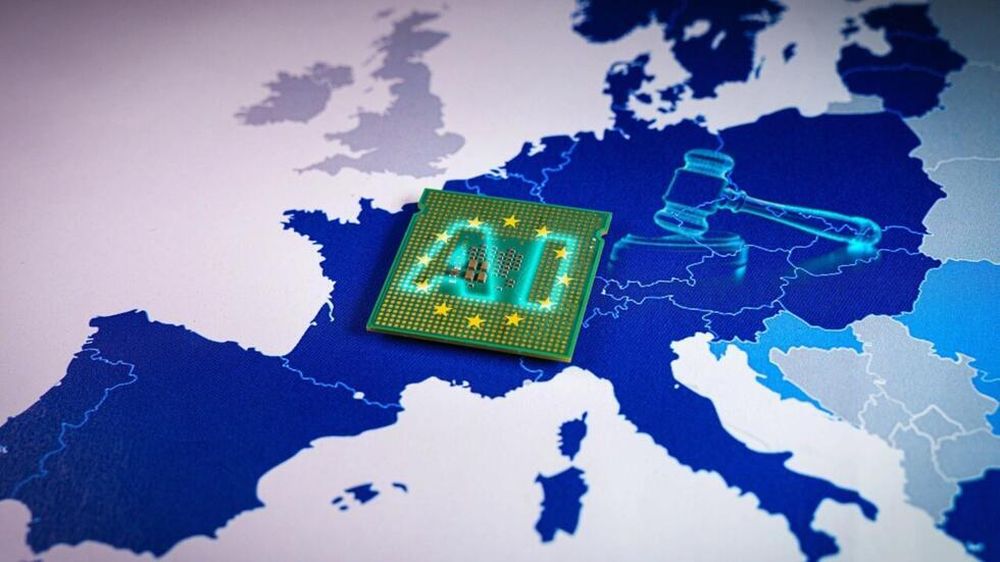
The declaration rests on three commitments. First, signatories will adopt a common framework for evaluating and managing the risks of frontier models, with particular attention to dangerous misuse in cyber and CBRN domains, as well as risks linked to autonomy, misalignment and loss of control. They agreed to publish non-sensitive evaluation findings in a standardized format within a shared public repository. Second, developers must disclose model capabilities, limitations and known risks, support independent evaluation where appropriate, and build fail-safe mechanisms capable of pausing or shutting down models during training and internal use. Policymakers, in turn, pledged to clarify liability when AI causes large-scale or cross-border harm. Third, the agreement calls for rapid alert systems, better information sharing on serious cyber and AI-control incidents, and secure reporting channels for whistleblowers.

The timing gives the initiative a sharper edge. The declaration came only a week after a suspected cyberattack on November 2 disrupted supermarket refrigeration systems across 11 European countries, while cybersecurity researchers described October as a period of repeated security failures across AI development platforms. Authorities have not established whether those incidents were connected or whether AI played a role in every case, but the backdrop has intensified concerns that increasingly capable systems could become both targets and instruments of large-scale disruption. The Élysée said the charter is intended to inform national and European legislative debates. Whether it becomes a meaningful foundation for oversight, or remains a voluntary statement of intent, will depend on whether its signatories turn shared warnings and public evaluations into enforceable practice.

#AISafety #AIRegulation #ParisCall #FrontierAI #ArtificialIntelligence #Cybersecurity #AIGovernance #TechPolicy #Anthropic #OpenAI #Microsoft #EmmanuelMacron