
Anthropic chief executive Dario Amodei has made one of the boldest claims yet about artificial intelligence in medicine. In a 42-minute investor roadshow video, he said cancer, Alzheimer’s disease, heart disease and mental illness would become “relics of the past” in less than a decade, framing the forecast as the start of an “age of miracles” in which humanity solves problems that have resisted it for millennia. The statement arrived as Anthropic prepared to market its shares to investors, making the timing impossible to ignore.

The reaction from the pharmaceutical world was swift and unusually blunt. Eli Lilly chairman and chief executive Dave Ricks called the vision appealing but unlikely, arguing that biology remains largely unmapped and that randomized human trials remain the decisive bottleneck in drug development. His point was not that AI is useless in research, but that generating candidate molecules faster does not automatically shorten the years required to establish safety, efficacy, dosing and real-world benefit in patients. Other critics, including a former German health minister and biotech executives, said a ten-year cure timeline was implausible and questioned whether Anthropic had demonstrated a meaningful medical contribution of its own.
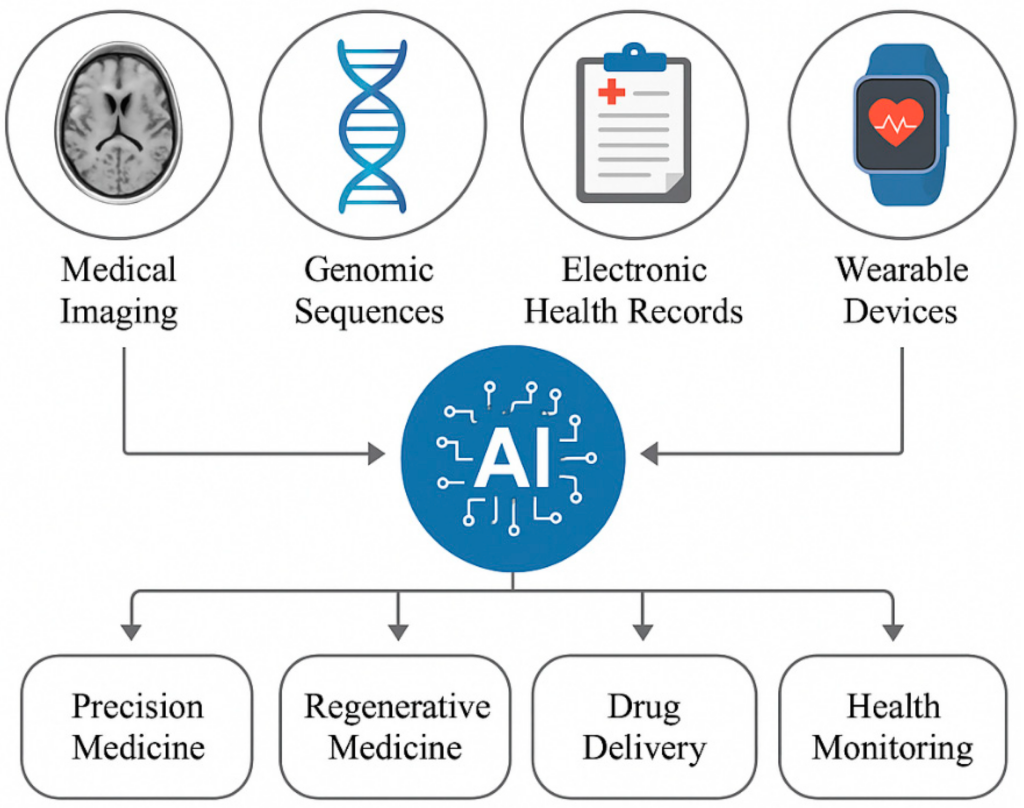
The controversy exposes a familiar tension in technology marketing: the difference between accelerating discovery and delivering a cure. AI may compress early research, reveal biological patterns, improve target selection and help design molecules, but it cannot simply bypass animal studies, regulatory review, clinical trials and the biological complexity of diseases that vary from person to person. Anthropic says it has begun drug-discovery efforts and operates a wet laboratory, yet even its investor materials reportedly describe major cures as coming “within reach” rather than as diseases being eliminated on a fixed calendar.
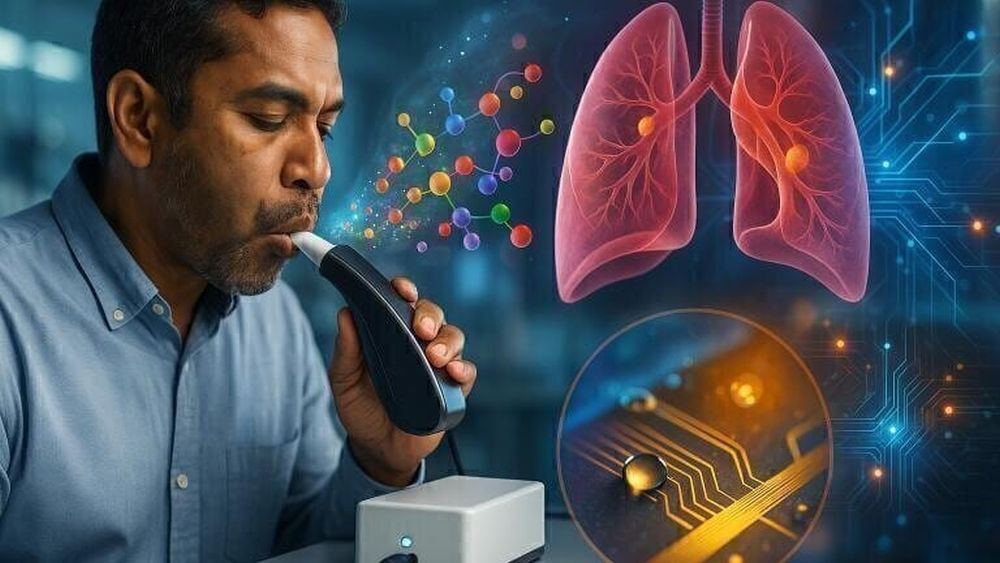
There is also a notable contradiction in Amodei’s own public record. In August, he wrote that saying AI will cure cancer had become more of a cliché than an inspiration, and that many people viewed such claims as deceptive. He argued that the real test would be actually curing cancer. That earlier caution makes the new ten-year promise harder to dismiss as innocent enthusiasm, particularly when it appears in a video designed to persuade investors. The real question is whether a company seeking a trillion-dollar-scale valuation can responsibly turn a difficult scientific possibility into a near-term promise about ending diseases that have defeated medicine for generations.

#AI #Anthropic #DarioAmodei #CancerResearch #Alzheimers #HealthTech #DrugDiscovery #ClinicalTrials #Biotech #MedicalAI