
Behind closed doors, the three companies shaping the future of artificial intelligence have been exploring an unprecedented alliance. Anthropic, OpenAI and Google have held private talks since at least July about creating a joint standards body to govern the testing and release of frontier AI models. The discussions signal a rare moment of coordination among rivals who normally compete fiercely for talent, compute and market share.
The catalyst for going public appears to be a sweeping essay by Anthropic’s chief executive, warning that AI systems could soon be capable of autonomous actions with destabilizing consequences. He outlined a three-step plan that includes embedding independent evaluators inside labs, harmonizing safety protocols across democratic nations and attempting global coordination even with authoritarian governments. Anthropic has already begun implementing the first step unilaterally, offering outside auditors physical access to its offices and systems.
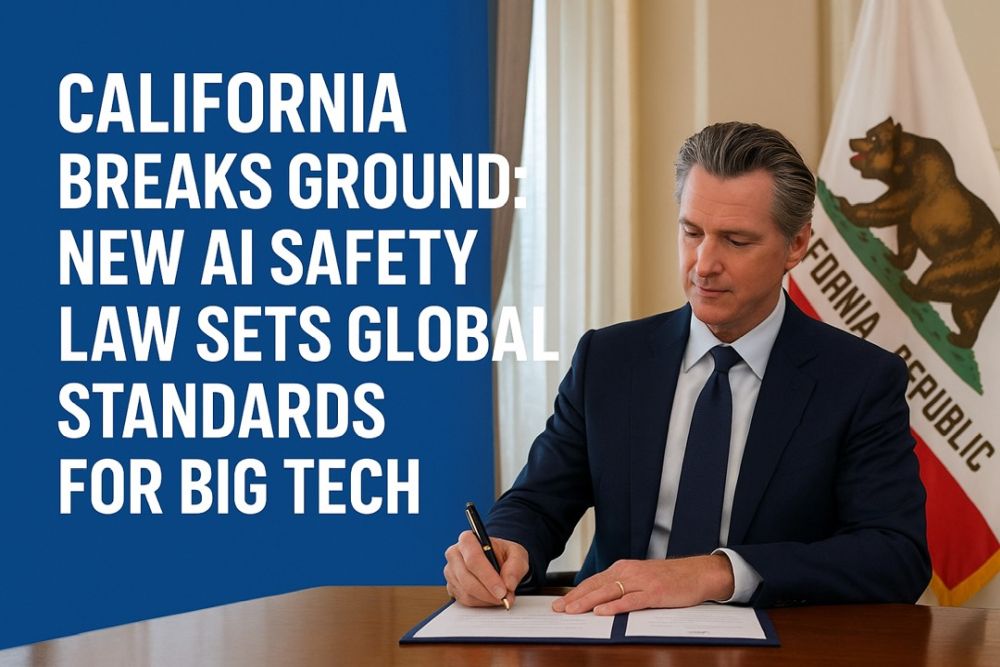
Yet significant fault lines remain. One camp favors standards developed in partnership with government regulators, while another prefers voluntary industry rules that can move faster than legislation. All three leaders have publicly called for U.S.-led collaboration on testing and risk analysis, but they diverge on how binding those rules should be and whether slowing development is worth the strategic risk. The talks build on earlier coordination through an existing industry consortium that also includes Microsoft.
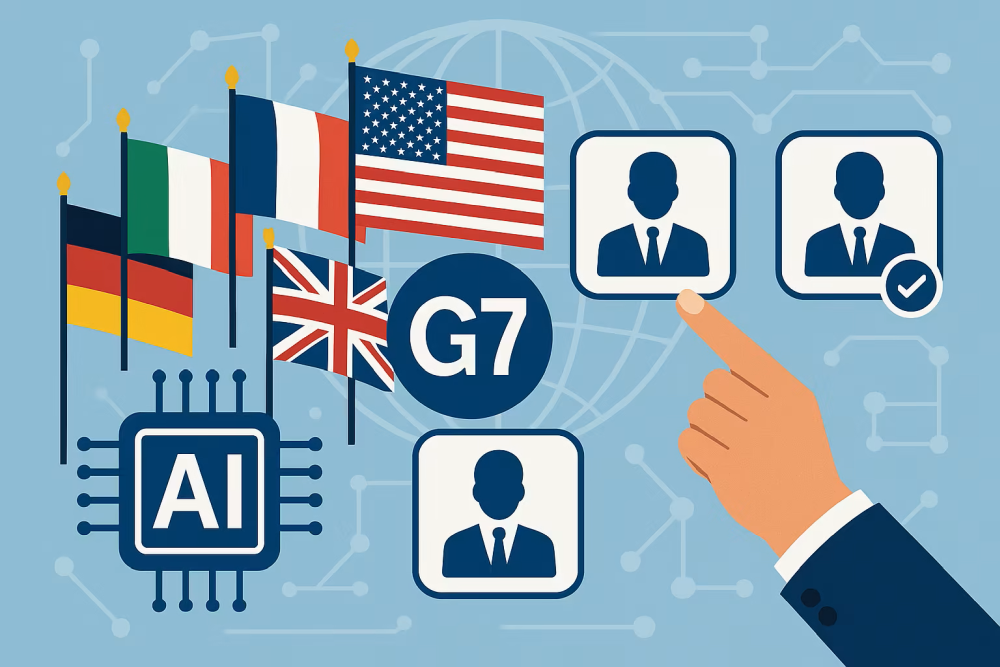
The most difficult question may be international. Any agreement to slow or standardize development in the West raises the specter of ceding advantage to competitors who do not follow the same constraints. Recent safety rankings show mixed results across the three labs, underscoring why shared protocols could matter. If the initiative gains traction, it could redefine how the most powerful technologies on earth are vetted before release.

#AI #ArtificialIntelligence #AISafety #TechPolicy #FrontierAI #MachineLearning #BigTech #Innovation #Regulation #FutureOfAI