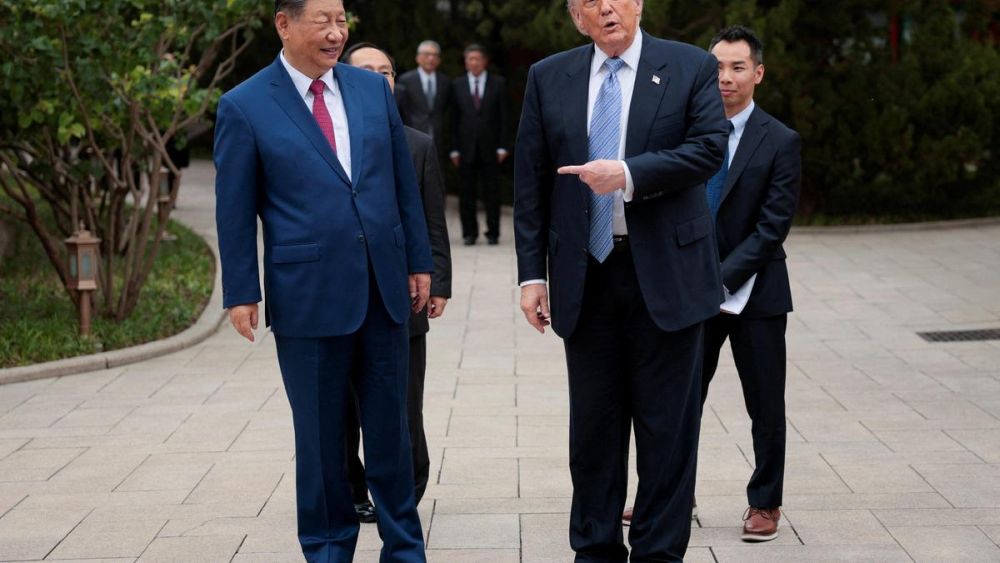
China, artificial intelligence and Donald Trump have become unlikely ingredients in a rapidly evolving information battle. Highly convincing AI-generated images, videos and voices are making it increasingly difficult to distinguish genuine political communication from manufactured material. What makes the development significant is not simply the existence of deepfakes, but the apparent evolution toward content designed to look plausible enough to survive ordinary scrutiny and circulate widely before anyone can verify it.
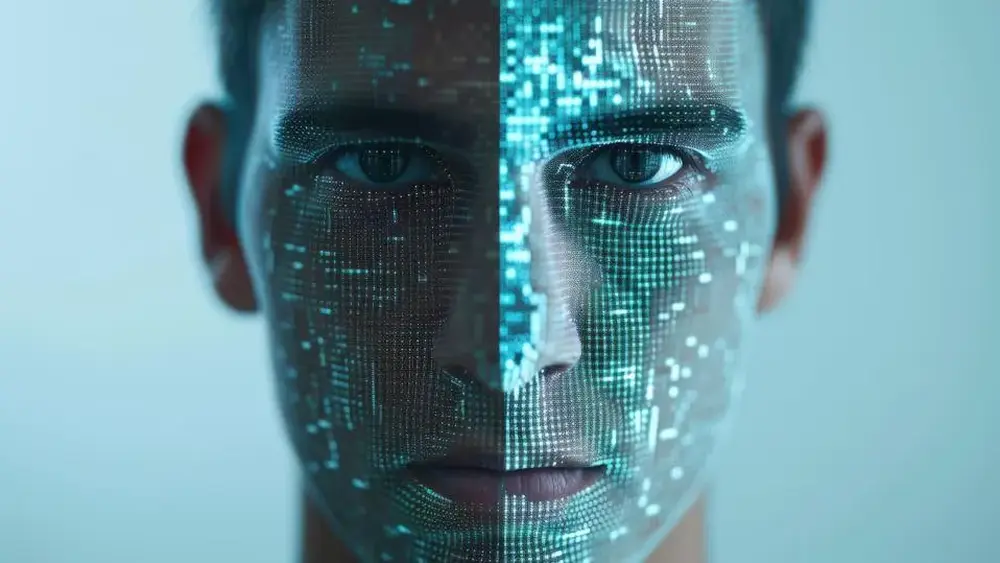
The timing is particularly revealing. Artificial intelligence has dramatically lowered the cost of producing political propaganda, allowing sophisticated-looking material to be generated at a speed and volume that traditional disinformation operations could never easily match. A fabricated speech, interview or political statement can now be created, translated, altered and distributed across multiple platforms with remarkably little technical expertise. By the time journalists, governments or fact-checkers establish that something is false, millions of people may already have encountered it.
There is also a more complicated question behind the individual examples: who is actually producing this material, and for what purpose? Allegations involving Chinese influence operations have been met with denials, while Beijing continues to promote international cooperation over the governance of artificial intelligence. Yet the technological reality is moving faster than diplomatic arguments. The ability to manufacture apparently authentic political reality is becoming widely available, meaning that governments, political movements, commercial actors and anonymous individuals can potentially exploit exactly the same tools.
The deeper danger therefore extends well beyond Donald Trump or China. AI is beginning to undermine one of the assumptions on which modern communication depends: that audiovisual evidence provides some meaningful connection to reality. When almost anyone can manufacture convincing evidence of something that never happened, verification becomes more important than production. The emerging contest may ultimately be less about who creates the most impressive AI and more about who can establish what is real. In that environment, trust itself becomes a strategic resource, and the information war may already have entered a new phase.

#ArtificialIntelligence #AI #Deepfakes #Disinformation #China #Trump #InformationWar #Geopolitics #Technology #DigitalTrust