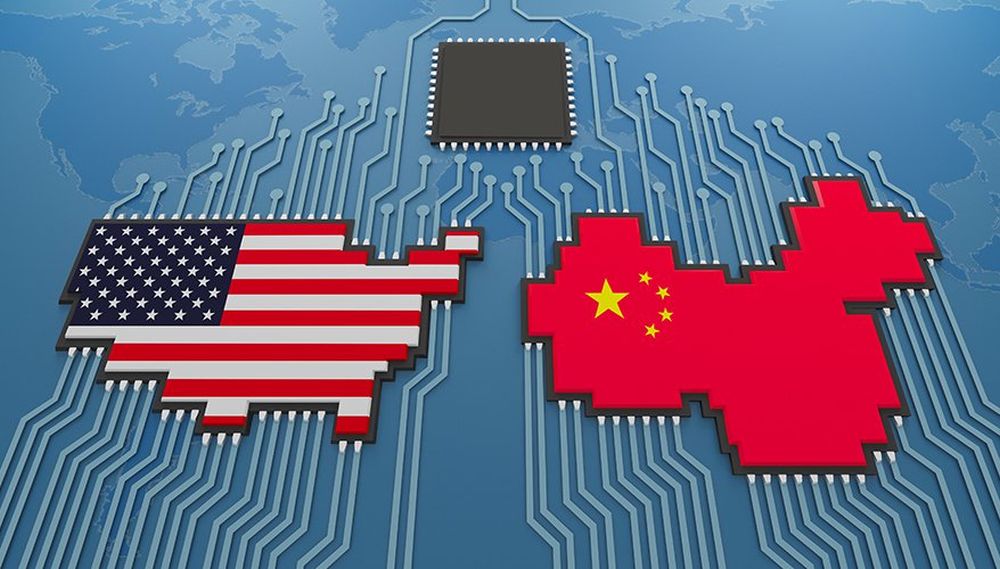
Artificial intelligence is not merely another technology race. It is quietly altering the strategic geography of the world, changing which regions, industries, and supply chains carry the greatest geopolitical weight. Just as steam power once underwrote European dominance and nuclear weapons defined the Cold War, AI is now reshaping the terrain on which the United States and China compete. The question is no longer only who builds the strongest models, but who controls the infrastructure, data, talent, and markets that make that power durable.
The contest is deeply asymmetric. Washington retains an edge in frontier model performance and in the advanced chips needed to train them, yet Beijing has found ways to convert scale, cost, and open access into influence. Chinese systems are increasingly attractive to companies seeking cheaper alternatives, while export restrictions imposed by the United States can create immediate openings for foreign competitors. A policy meant to slow an adversary may, in practice, push customers toward that adversary’s tools.
The dependence runs in both directions, and that is what makes the rivalry so difficult to manage. American officials accuse some Chinese developers of building systems through improper use of American models, while Chinese authorities reject those allegations as unfounded. At the same time, American firms have adopted Chinese models to reduce costs, and some of the most widely used open models now originate in China. Technology flows rarely respect the political boundaries that governments try to draw around them.
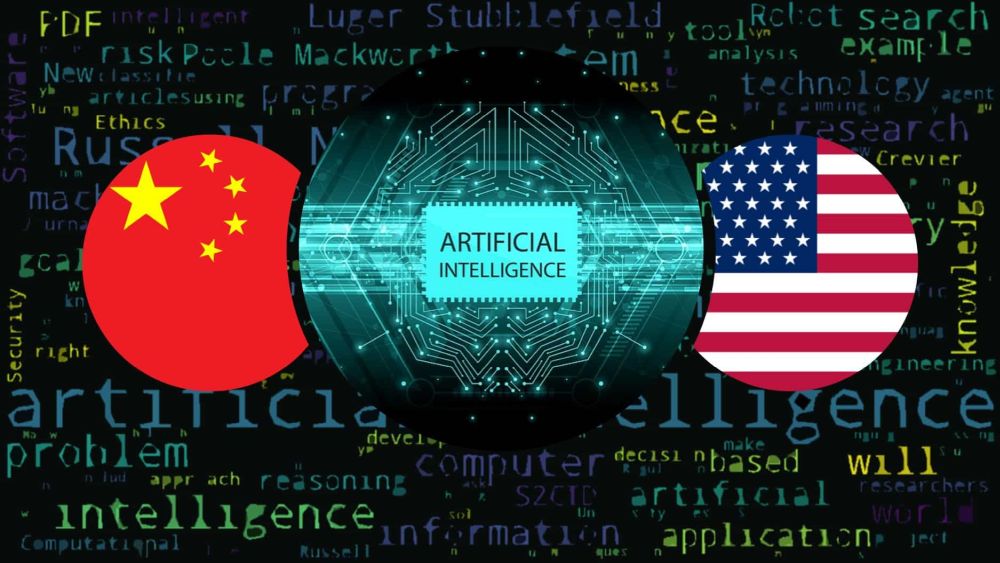
The result is an uneven, two-sided struggle rather than a clean contest between rivals. The United States is trying to preserve a technological lead while limiting leakage; China is trying to close the gap while expanding its global user base. AI has become both a weapon and a dependency, a source of leverage and a point of vulnerability. The countries that master this contradiction, rather than assuming technology will simply follow national borders, may shape the next map of global power.

#AI #USChina #Geopolitics #Technology #ArtificialIntelligence #GlobalPower #TechRivalry #Strategy