
The World Bank is quietly preparing for a new wave of emergency requests from the developing world. President Ajay Banga says the institution is in talks with 30 to 40 countries that may need financial support as conflict in the Middle East drives up the cost of energy, diesel, and fertilizer. The bank could make as much as $100 billion available if conditions deteriorate, a figure that would exceed the roughly $70 billion it disbursed during the pandemic. The question now is whether fragile economies can hold out long enough to avoid a broader debt and inflation shock.
Few governments initially tapped the bank’s $25 billion crisis facility created after the war began in late February. Banga argues that the global economy has so far proved more resilient than many feared, supported by strong investment in artificial intelligence and shifting patterns of oil supply and demand. Yet the pressure is mounting. Higher diesel and fertilizer prices threaten food production, while the possibility of a powerful El Niño could disrupt harvests and strain already tight budgets. For poorer countries, these are not abstract global risks; they translate directly into higher import bills, costlier fuel, and harder choices between debt payments and basic services.
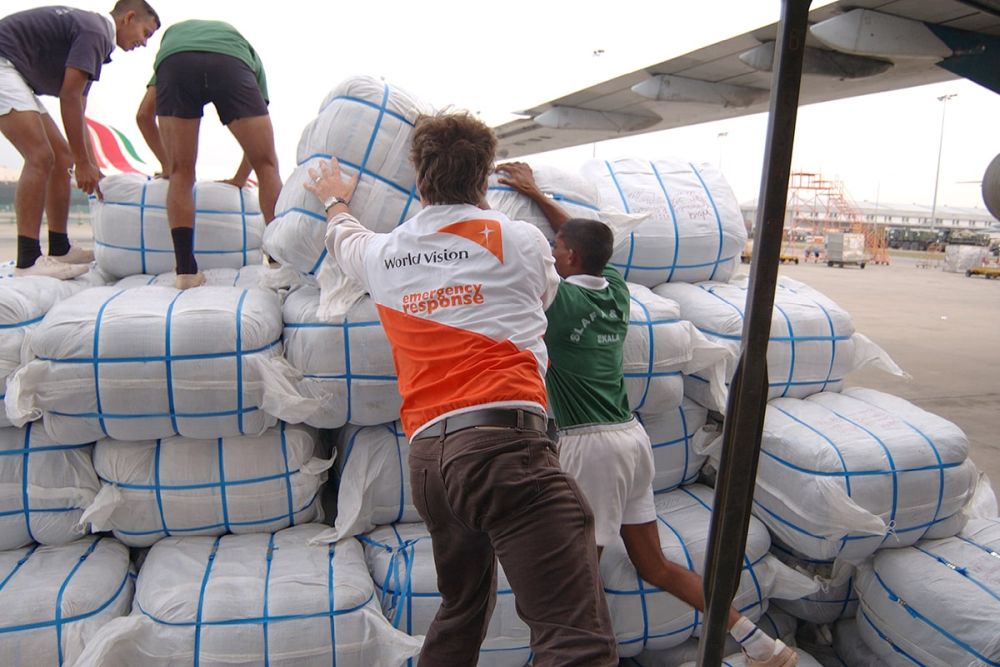
The bank expects demand for help to rise in the months ahead. Its first $50 to $60 billion of potential support combines the immediate crisis facility with about $35 billion that countries can redirect from previously approved World Bank projects. So far, more governments have asked to restructure existing projects than to draw new emergency cash, suggesting that many are trying to preserve fiscal space before taking on additional borrowing. With developing countries expected to owe external creditors around $400 billion in 2026, and interest accounting for roughly one third of that total, the stakes are high.
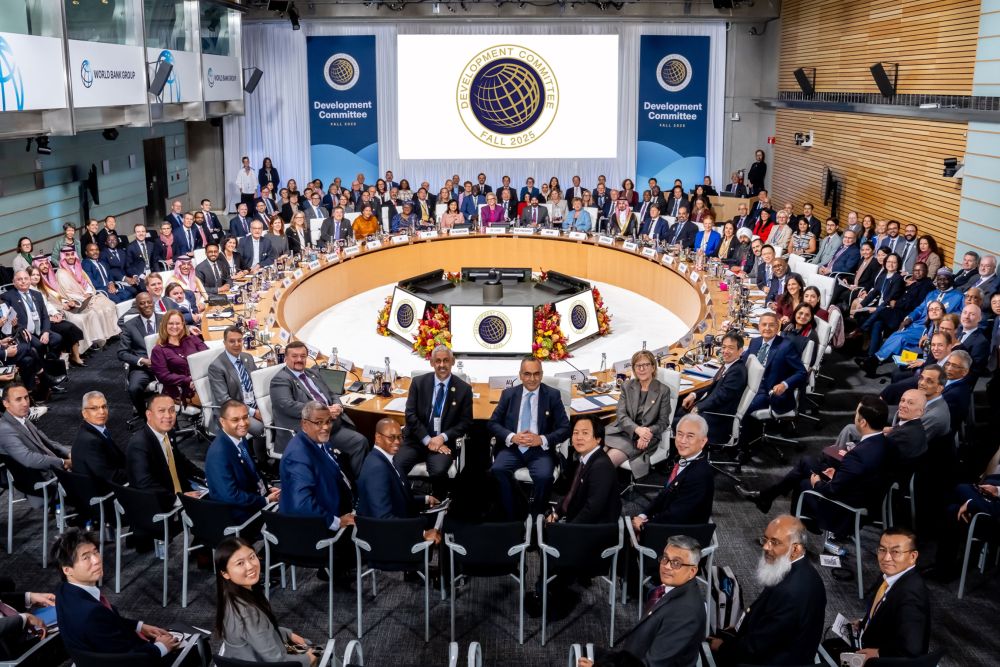
The World Bank is also trying to move beyond emergency lending. It has arranged debt-for-development swaps for Angola and Ivory Coast, along with a portfolio guarantee for Argentina, and says more than a dozen similar deals are in progress. These arrangements can replace expensive older debt with cheaper, guaranteed financing, freeing resources for education, health, water, or environmental programs. Private capital mobilization reached a record $112 billion in the latest fiscal year, but low-income countries received only about $3 billion of it. That gap reveals the central challenge: global finance may be growing, yet the countries most exposed to crisis still struggle to attract it.

#WorldBank #GlobalEconomy #CrisisAid #DebtRelief #DevelopingCountries #EnergyPrices #FoodSecurity #EmergingMarkets #AjayBanga #EconomicCrisis