
Google’s new Playground platform raises an obvious question: if a typed prompt can produce a playable game, what remains of the traditional game-development pipeline? The company has launched Playground as an experimental, browser-based service that lets adults create, modify and share simple games through natural-language prompts. It arrives with a partnership involving Unity, one of the most widely used game engines in the industry, and signals that generative AI is moving from producing images and video into interactive worlds that respond to players.
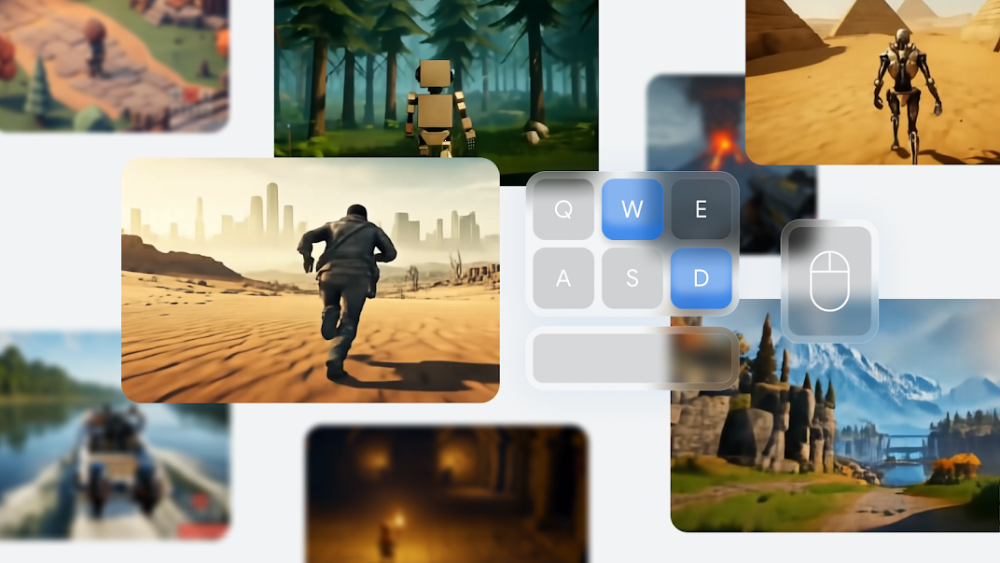
At first, Playground looks less like a professional studio tool than a conversational interface. Users describe what they want, choose between 2D and 3D, and decide whether the experience should be single-player or multiplayer. The system then generates a playable prototype that can be revised through further instructions, such as adding a double jump or changing a character’s behavior. Google has also provided starter prompts that people can remix, a design choice that lowers the barrier for users who have an idea but no technical vocabulary.
The more consequential part of the announcement is Unity Spark, planned for later this year. It is intended to bring professional-level mechanics, high-fidelity 3D capabilities and the Unity runtime into Playground, while retaining the accessible prompt-driven interface. Unity’s asset library could give the AI agents a much broader base of ready-made visual and functional material, potentially allowing more ambitious games to emerge from a browser session rather than a desktop development environment.
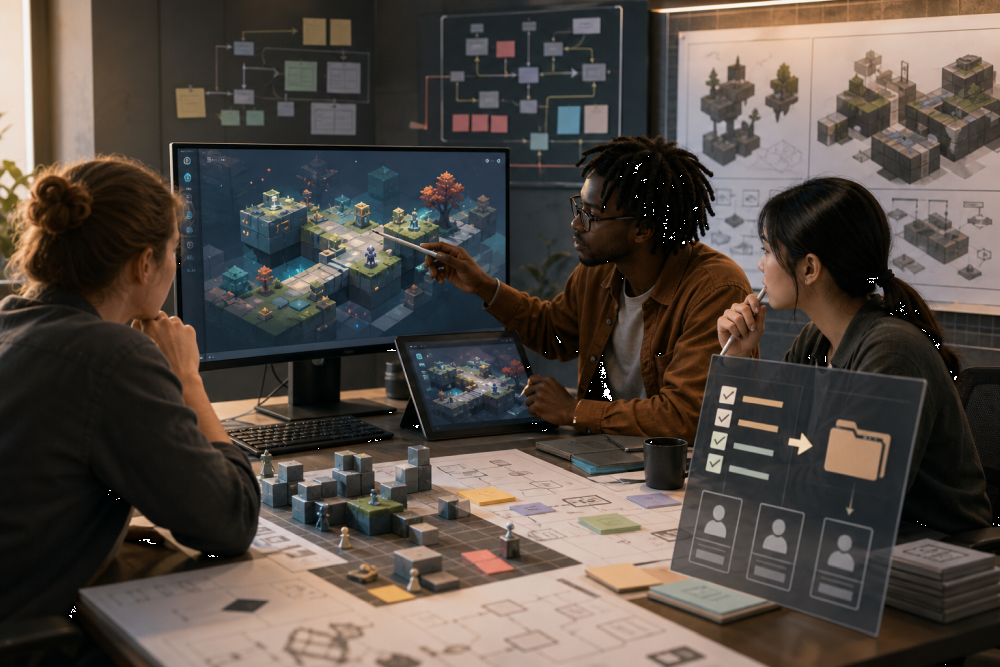
Yet the partnership also reflects anxiety within the games business. Earlier this year, Google’s Project Genie, which generates short interactive scenes from prompts, unsettled investors and contributed to sharp declines in gaming-company shares. Unity’s leadership has argued that prompt-based systems are not a substitute for polished, repeatable game design, but rather a way to give creators a starting point. That distinction may determine whether Playground becomes a genuine democratization of game creation, or another tool that concentrates value in platforms while leaving developers to compete with an endless stream of AI-generated content.

#Google #Playground #Unity #UnitySpark #AIGaming #GameDevelopment #GenerativeAI #InteractiveEntertainment #TechNews #GamingIndustry