
As the global semiconductor shortage continues to disrupt industries from automotive to defense, a critical blind spot in American industrial strategy is becoming impossible to ignore. While Washington pours billions into subsidizing the production of advanced logic processors, the essential memory chips required to run those very processors remain in critically short supply. This oversight suggests a fundamental miscalculation in how the United States is approaching its technological independence, leaving a massive vulnerability in the supply chain that no amount of advanced processing power can fix.

The reasons behind this reluctance to ramp up domestic memory production are rooted in harsh economic realities rather than purely technical hurdles. Unlike the high margin world of advanced logic manufacturing, the memory market is a ruthless commodity sector where prices swing violently and margins are razor thin. Asian giants have spent decades dominating this space, creating an oligopoly that makes it nearly impossible for new entrants to compete without massive government intervention. Building these fabrication facilities on American soil costs significantly more than in Asia, creating a financial barrier that even the most patriotic corporations find difficult to surmount without specific incentives.
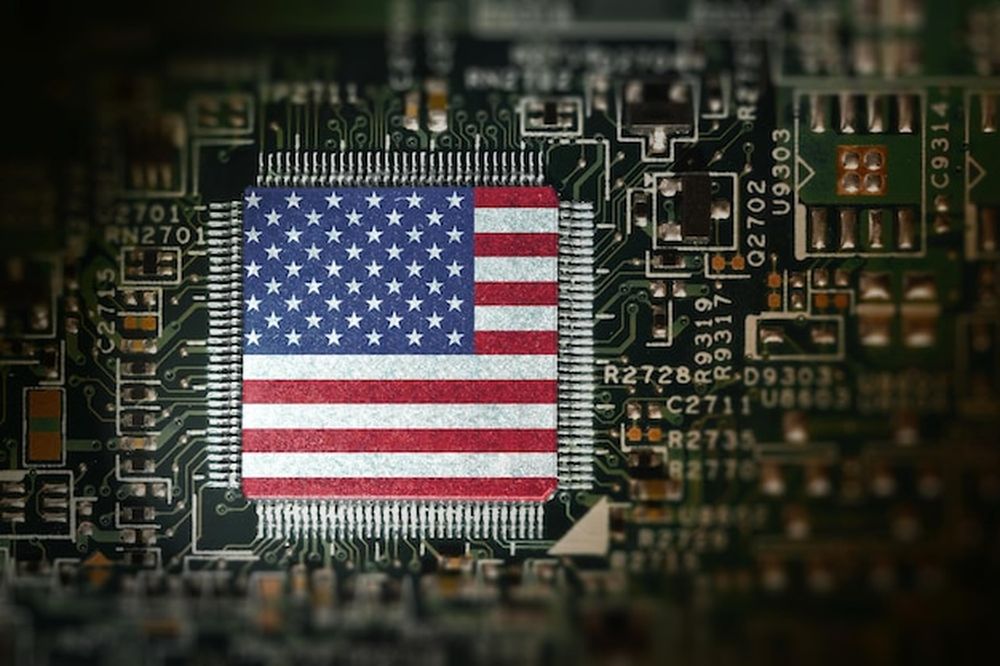
Although one major American player stands as the last remaining domestic manufacturer in the memory arena, the vast majority of its production capacity remains firmly planted overseas. The current legislative framework, specifically the CHIPS and Science Act, prioritizes advanced logic nodes essential for artificial intelligence and military applications, effectively leaving memory manufacturing on the back burner. This policy choice creates a paradox where the United States successfully secures the engine but neglects the fuel, risking a scenario where domestically produced processors sit idle because the necessary memory components are trapped behind foreign supply chain bottlenecks.

Beyond the immediate cost of construction lies the deeply entrenched ecosystem of materials and chemical suppliers that sustain memory production, a network currently centered in East Asia. Replicating this entire industrial infrastructure on American soil is a generational challenge that goes far beyond simply writing checks for new factories. Until policymakers recognize that memory security is synonymous with national security, the United States will remain dangerously dependent on foreign powers for the most basic building blocks of the digital economy.

#Semiconductors #Manufacturing #SupplyChain #TechPolicy #Microelectronics #IndustrialStrategy #USManufacturing