
Anthropic has quietly crossed a threshold that many observers thought was still years away. The company announced a new Life Sciences Verification Program that grants vetted researchers access to its most advanced AI models with biosafety guardrails tailored for biology work. At the same time, reports surfaced that the firm has built a physical wet laboratory in the San Francisco Bay Area, signaling a move from purely computational AI into hands-on science.
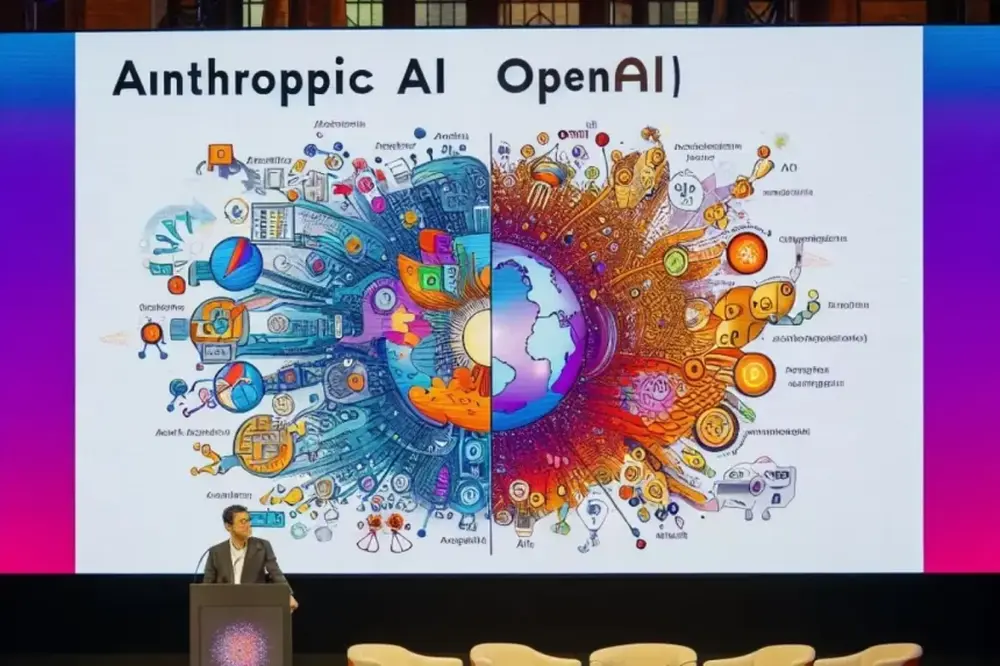
The verification program opens two grant tiers for academic labs, startups, and pharmaceutical companies. Standard Use grants cover most research and development workflows and renew annually, while High-risk Use grants remove additional safeguards for dual-use research such as viral vector characterization but apply to a single project and require renewal every six months. Anthropic said it has already onboarded dozens of organizations through early access and expects to enroll hundreds within the first week, with access later expanding to individual subscribers.
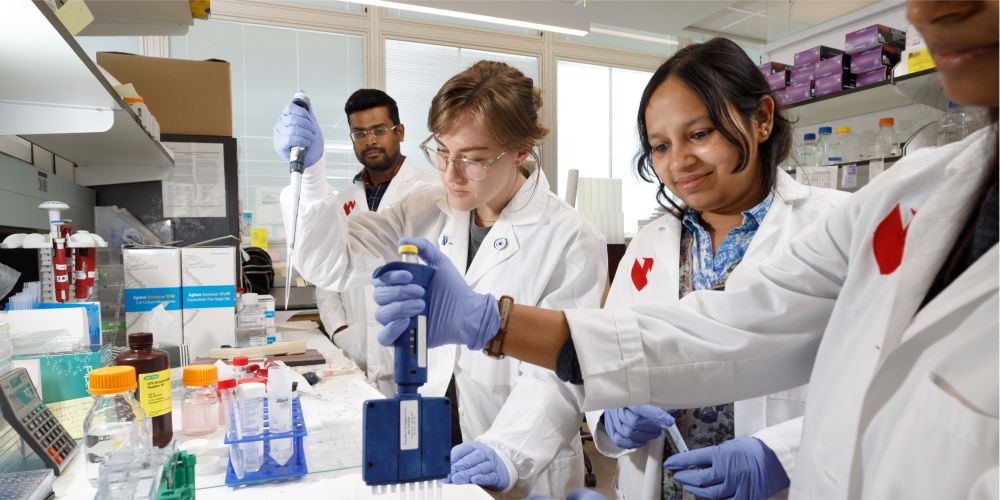
Behind the scenes, Anthropic is testing how its models can direct robotic units to carry out experiments with limited human intervention. In parallel computational work, the company published research showing its AI optimized more than 30 open-source molecular biology models in under four weeks, achieving an average fourfold speedup. In a protein design benchmark, the system matched the performance of traditional campaigns costing roughly ten thousand dollars per target while using a single high-end GPU for 24 hours at a cost of about one hundred fifty dollars.

The timing raises questions about trust, competition, and where the line will be drawn as AI companies deepen their role in drug discovery. Anthropic serves major pharmaceutical clients including Roche’s Genentech, Bristol Myers Squibb, and Novo Nordisk, yet it is also exploring its own ambitions in the space. Company leadership has insisted it is not competing with pharma and biotech firms that make their business in bringing drugs to market, focusing instead on diseases that the industry would not otherwise address.

#AI #Biotech #LifeSciences #DrugDiscovery #WetLab #ArtificialIntelligence #ScienceNews #TechPolicy #Research #Innovation