
Microsoft has spent billions to position itself as the backbone of the artificial intelligence era, yet a widening gap now separates its procurement plans from the physical reality of deployment. Internal figures point to a target of 1.8 million AI chips installed by the end of 2024, but nearly two years into a massive expansion program, the company has roughly 2.2 million chips in place. The shortfall is not a lack of silicon on paper but a failure to finish the buildings that must house it, leaving advanced accelerators idle in inventory instead of generating revenue.
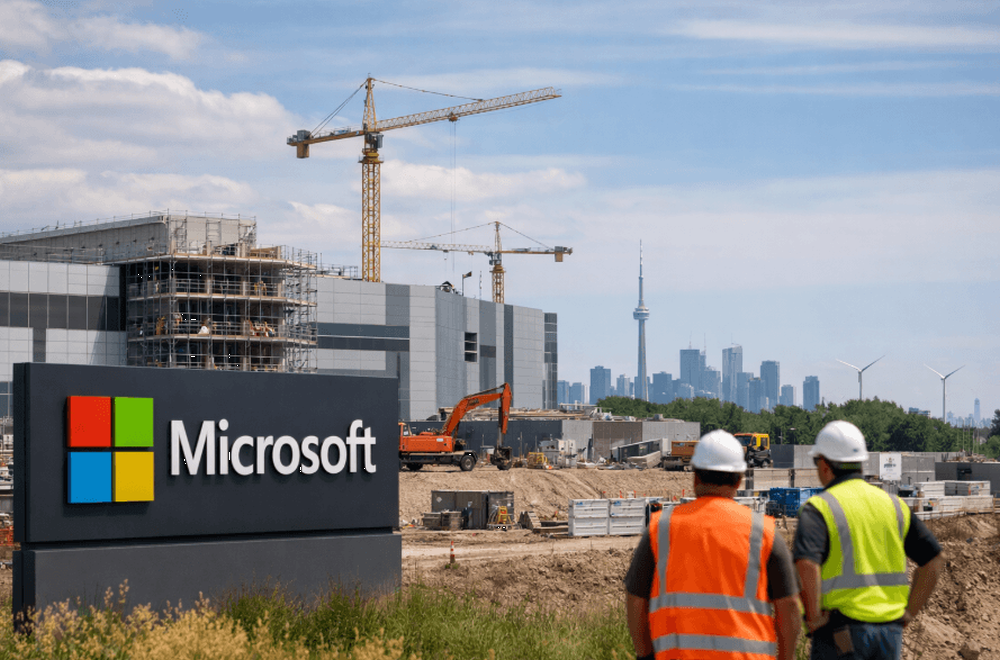
This bottleneck strikes at the heart of Microsoft’s commercial AI offerings, from the Copilot suite embedded across productivity tools to the Azure OpenAI service that powers enterprise workloads. Chips that sit in warehouses represent compute capacity that cannot serve customers, cannot run models, and cannot justify the capital outlay. The delay raises questions about whether the company’s infrastructure pipeline can keep pace with its product roadmap, especially as rivals race to monetize every available GPU cycle.

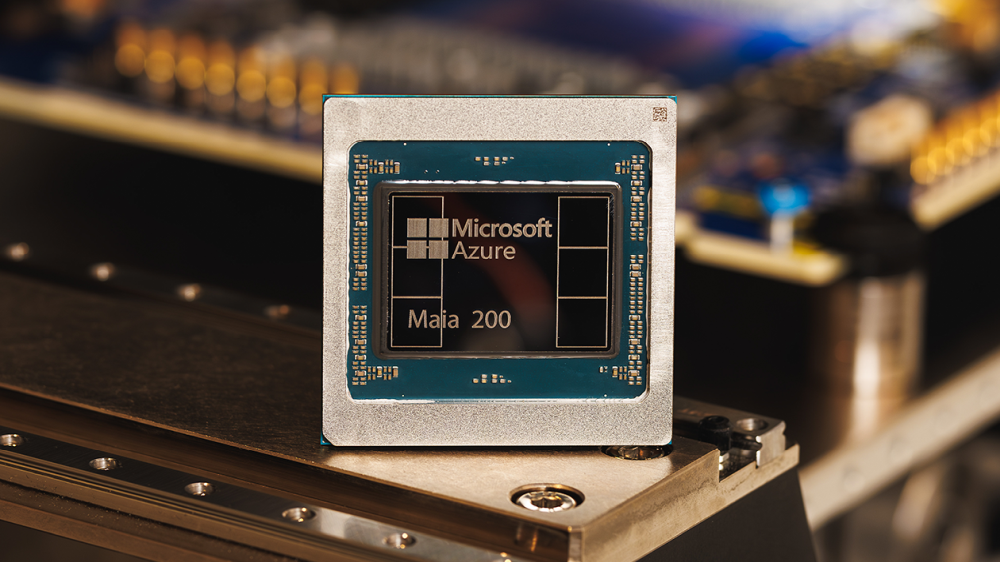
Custom silicon was supposed to ease the pressure, and Microsoft has touted its Maia 200 accelerator as a more efficient inference system. Negotiations are underway for a next-generation Maia 300, with production talks pointing toward 2027 deliveries, a timeline that offers little near-term relief. Meanwhile, competitors have moved faster, with Amazon’s Trainium and Inferentia chips already deployed at scale inside AWS and Google’s tensor processing units running production workloads for years, sharpening the competitive disadvantage.
The problem extends beyond one company. Industry data suggest that data centers will consume more than 70% of the world’s high-end memory chips in 2026, a concentration that is pushing up prices across consumer electronics, automotive systems, and industrial equipment by as much as 20%. With roughly 40% of planned U.S. data centers facing construction delays due to labor shortages and power constraints, the AI buildout is colliding with hard infrastructure limits. For Microsoft, the stakes are clear: if the racks do not rise in time, the chips will remain stranded, and the lead in AI could slip away.

#AI #Microsoft #DataCenters #Infrastructure #TechNews #ArtificialIntelligence #CloudComputing #Semiconductors #BusinessNews #Investigative