
China’s factory-gate prices climbed 5% in September from a year earlier, the fastest increase since June 2022, and the figure exceeded forecasts of a 4.5% rise. The jump came as producer prices accelerated from 3.8% in August, while consumer inflation rose only modestly to 0.9%, below the expected 1%. On the surface, that combination suggests an economy regaining industrial momentum, but the evidence points to a recovery driven more by exports and commodity costs than by confident shoppers at home.
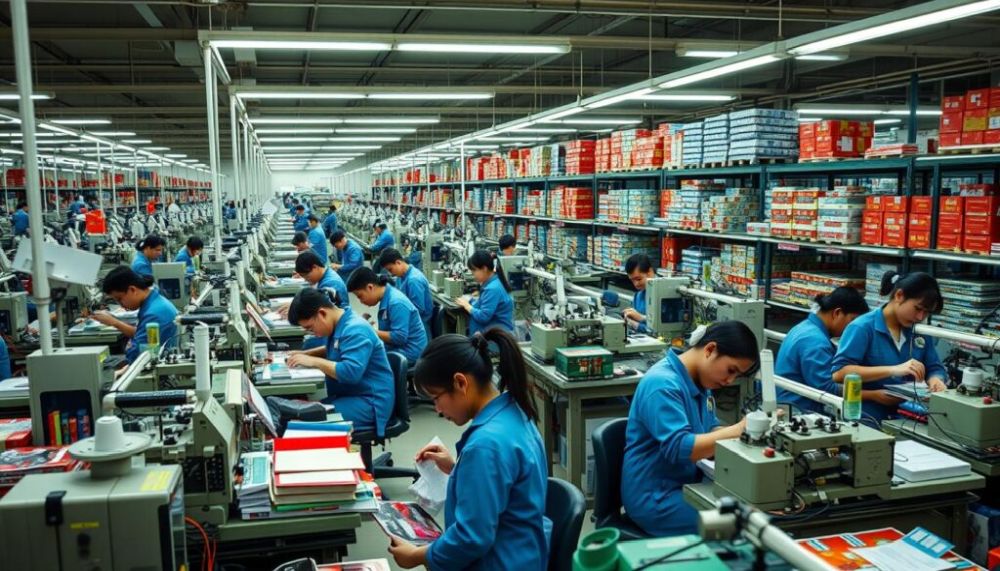
The details reveal where the pressure is concentrated. Producer-goods prices rose 6.5%, with mining costs surging 25.4% and raw materials up 9.4%. Coal mining and washing jumped 35.3%, while oil and gas extraction rose 24.5%. Gasoline prices climbed 16.6% from a year earlier, adding roughly 0.47 percentage points to headline consumer inflation. Yet prices for consumer goods at the factory gate still fell 0.1%, and car manufacturing prices continued to decline by 2%. That pattern suggests firms are absorbing higher input costs rather than passing them fully on to households.
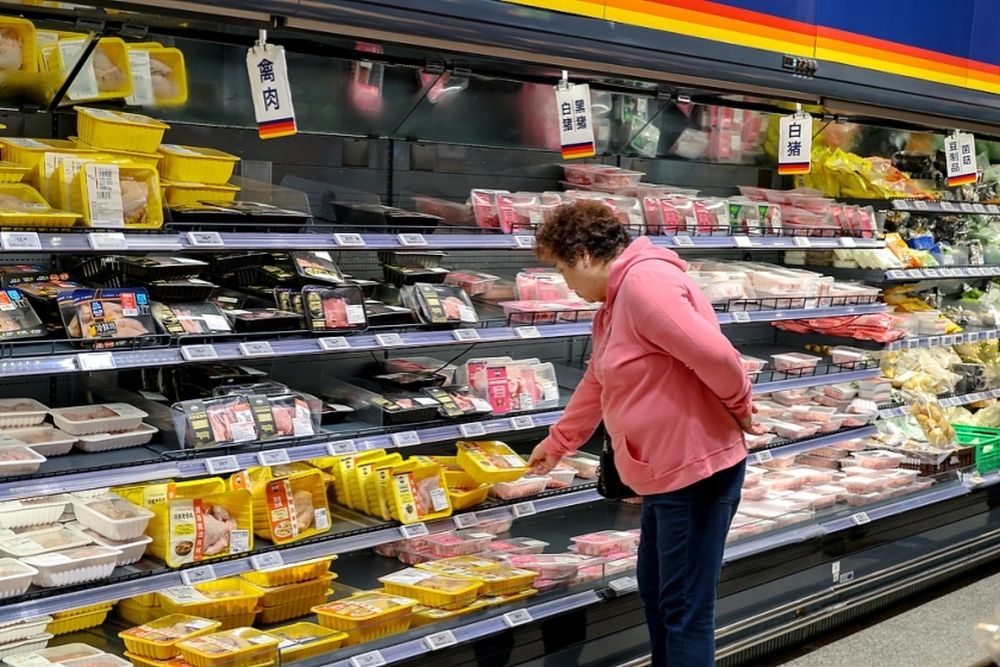
Consumer behavior tells a more cautious story. Food prices fell 1.7%, including a 10% drop in pork, while rents declined for a sixth consecutive month. Core inflation, which excludes food and energy, stayed at 1%. Monthly consumer prices slowed to 0.2% as airfares, hotel rates and travel-agency prices eased after the summer holiday season. The persistence of weak rents and soft food prices raises a practical question: if companies face rising costs but consumers are unwilling or unable to spend more, where will the demand come from to sustain the recovery?
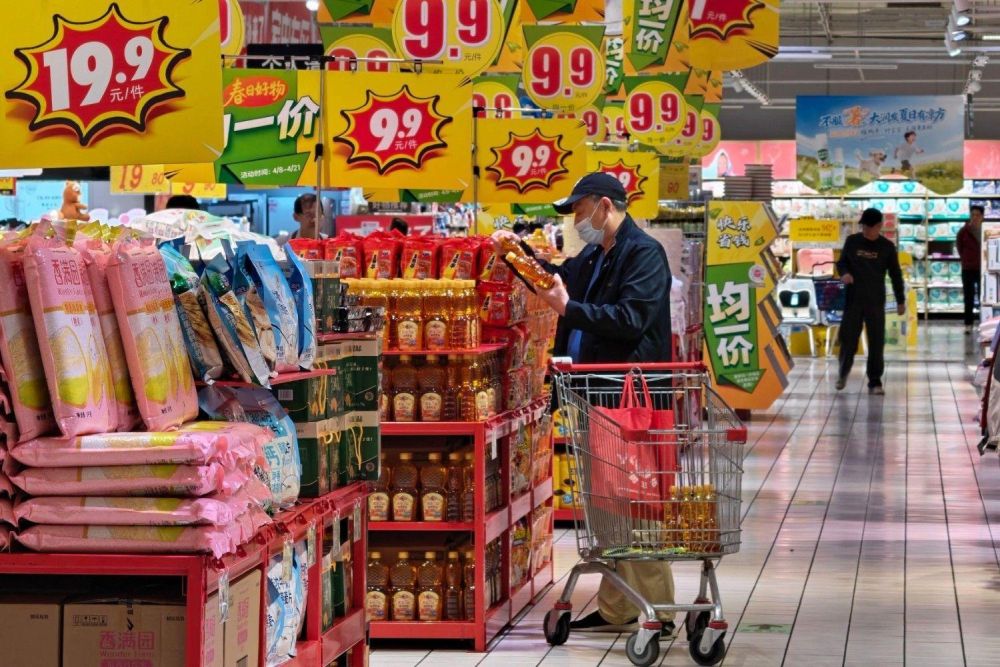
The answer may depend on whether industrial strength translates into employment and income growth. Beijing has approved an additional 550 billion yuan in unused local government bond quota for infrastructure and other spending, while the central bank retains room to ease policy further because inflation remains below its 2% target. Some economists argue that the current divergence between producer and consumer prices could narrow if factories hire more workers and pay higher wages. Until that transmission becomes visible, China’s latest inflation figures look less like a broad-based boom and more like a cost-driven rebound waiting for household demand to catch up.

#China #Economy #Inflation #ProducerPrices #ConsumerPrices #Oil #Coal #Manufacturing #GlobalTrade #EconomicRecovery