
The resurgence of the U.S. dollar is forcing a quiet but significant recalibration across global currency markets. For years, the carry trade thrived on a weakening greenback, allowing investors to borrow cheaply in dollars and deploy capital into higher yielding emerging markets. That assumption is now under pressure. As expectations of tighter Federal Reserve policy push the dollar higher, traders are no longer abandoning the strategy but instead reshaping its foundation in ways that reveal a deeper structural shift.
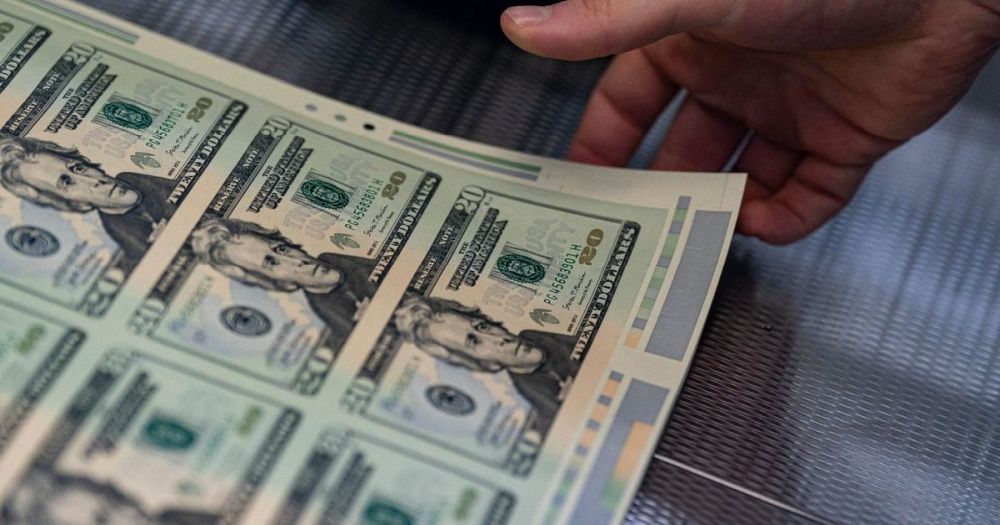
Rather than relying on the dollar as a funding currency, major financial desks are increasingly turning to alternatives such as the euro, Swiss franc, and Japanese yen. This pivot allows investors to maintain exposure to high yield emerging market assets while simultaneously positioning for further dollar strength. The result is a more complex trade that no longer depends on a single macro narrative. It reflects a market that is adapting rather than retreating, even as volatility rises and old assumptions lose their footing.

Within emerging markets, performance is diverging along a less discussed but critical axis: commodity exposure. Energy importing economies, particularly across parts of Asia, have struggled under the weight of a stronger dollar and rising input costs. In contrast, commodity exporters with higher yields have emerged as relative winners. Brazil stands out as a key beneficiary, while currencies such as the Mexican peso and Turkish lira continue to attract attention from investors seeking returns despite elevated risks. The carry trade is no longer a broad emerging market bet but a selective and increasingly tactical strategy.
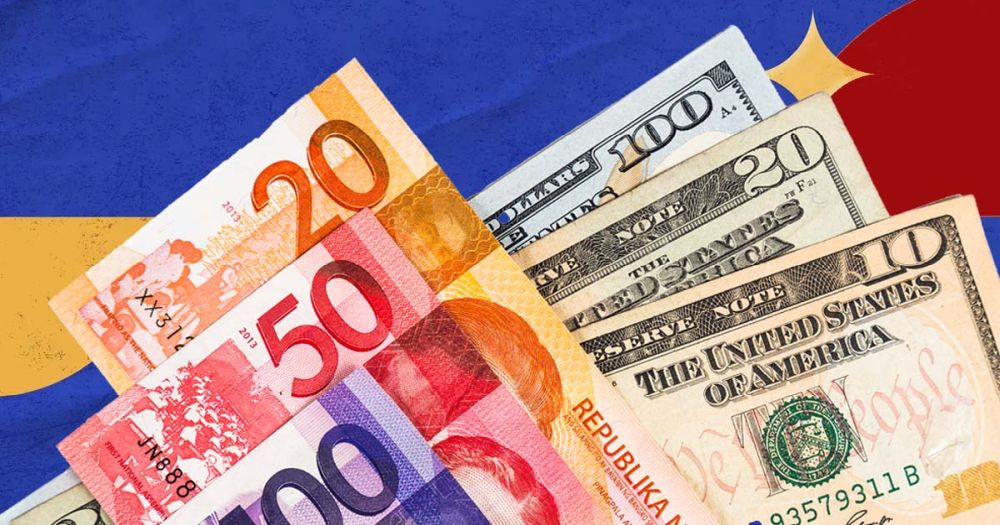
Yet beneath this recalibrated optimism lies a fragile fault line in China. The yuan has become a central variable in determining whether this new carry framework can hold. Even modest signs of depreciation have triggered concern among strategists, who warn that a more deliberate weakening could ripple across global markets. While recent movements have been framed as temporary adjustments, the underlying question remains unresolved. If Beijing shifts its stance, the consequences could extend far beyond its borders, testing the resilience of a strategy already navigating a stronger dollar world.

#CarryTrade #ForexMarkets #USDForex #EmergingMarkets #YuanRisk #GlobalFinance #CurrencyStrategy