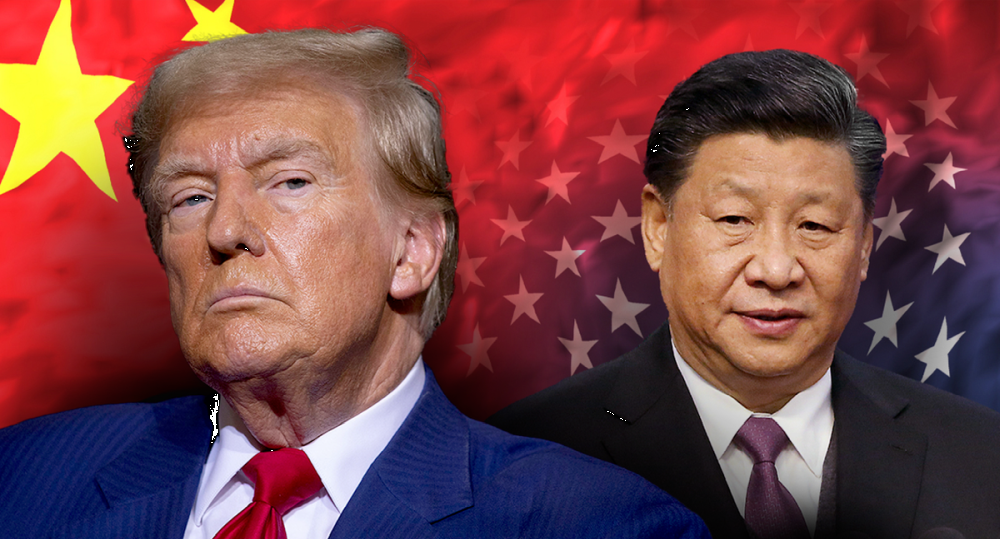
Taiwan finds itself navigating a delicate strategic crossroads as a major U.S. arms package remains stalled, raising questions about the interplay between security commitments and economic leverage. The proposed $14 billion deal, which includes advanced air defense systems, has yet to receive final approval from Washington. Public remarks from President Donald Trump suggest the package is being treated less as a routine defense measure and more as a bargaining instrument within broader U.S. China negotiations.
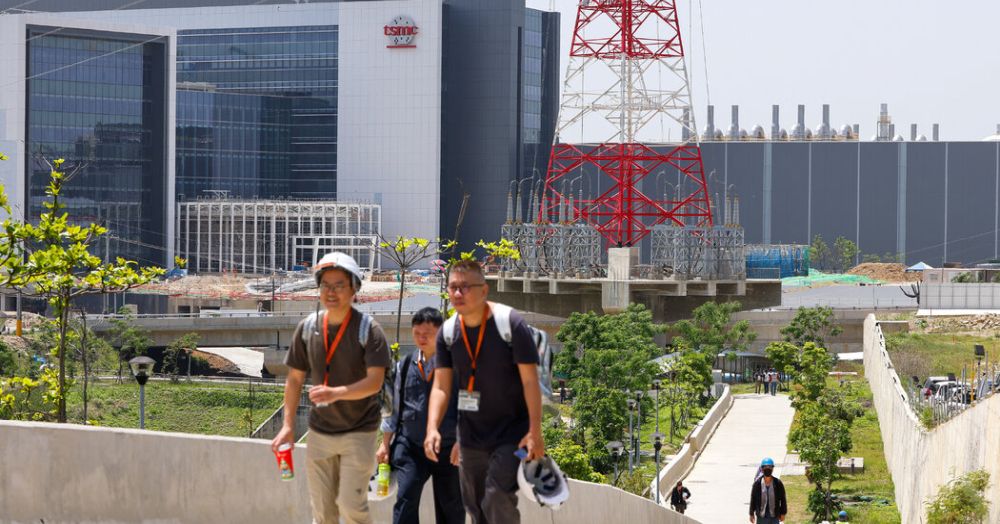
Against this uncertainty, Taiwan appears to be reinforcing its position through a different kind of power, its near monopoly over advanced semiconductor manufacturing. Officials in Taipei have made it clear that this dominance is not just an economic advantage but a geopolitical asset. With Taiwan producing roughly 90 percent of the world’s most advanced chips, its role in global supply chains has become difficult for any major economy to ignore, particularly the United States, which relies heavily on Taiwanese fabrication capabilities.
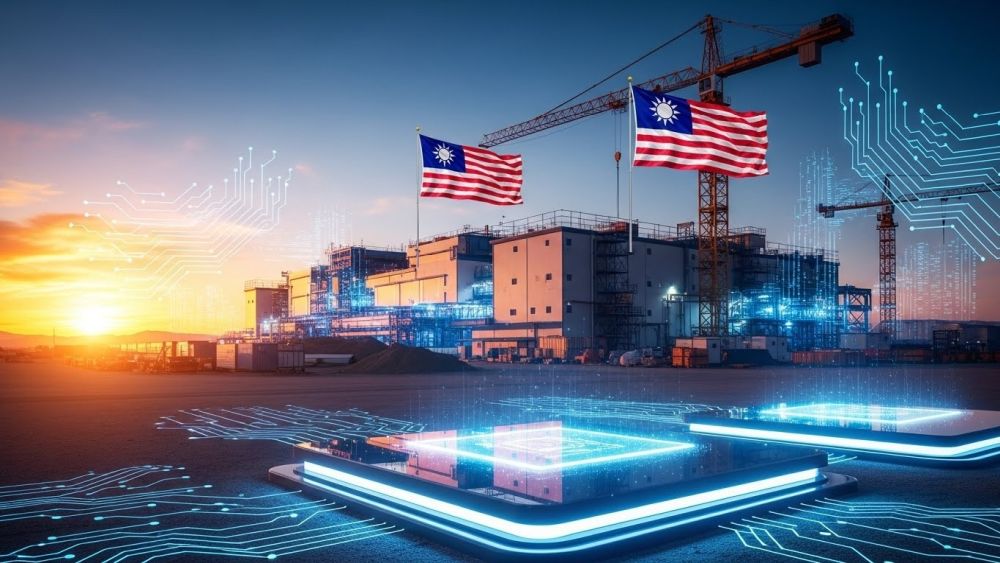
Recent developments indicate that Taiwan has already secured protective measures for its semiconductor sector regardless of future U.S. tariff actions. A memorandum of understanding signed earlier this year grants Taiwanese firms preferential treatment, including exemptions tied to production capacity in the United States. This arrangement suggests that even as Washington contemplates aggressive trade tools such as Section 232 tariffs, Taipei has locked in safeguards that blunt potential economic pressure.
The situation now reflects a two way negotiation where both sides hold significant leverage. While Washington can delay or advance critical military support, Taiwan can influence technological supply chains that underpin the global economy. The unresolved question is whether semiconductor dependence will translate into decisive political action, or whether defense commitments will remain entangled in a broader contest that extends well beyond Taiwan itself.

#Taiwan #Semiconductors #USChina #Geopolitics #TechPolicy #ArmsDeal #TSMC