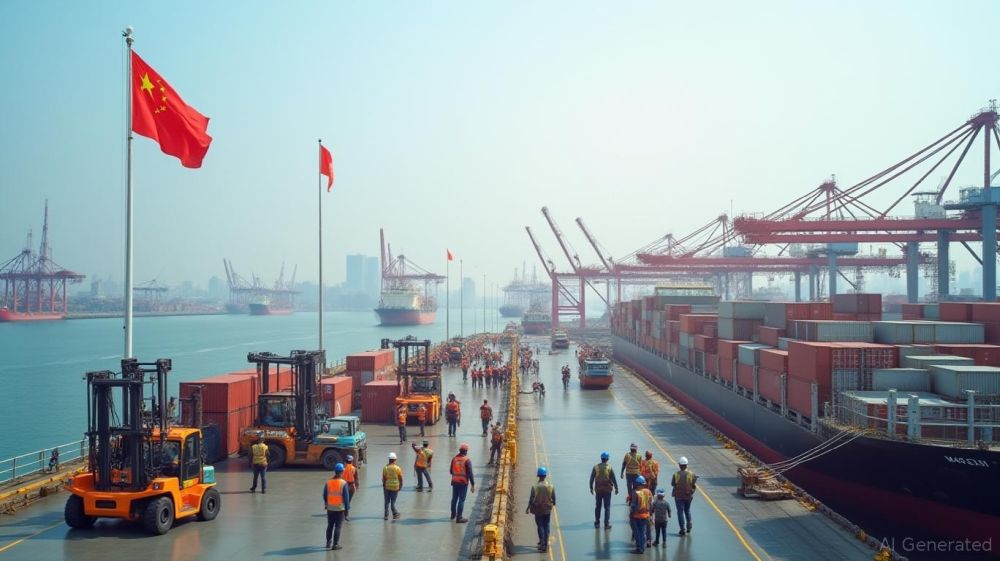
Reading Time : 3minutesThe headline numbers tell one story, but the undercurrents reveal a different one. Strong exports are masking deep domestic fragility, and the trade surplus keeps widening into territory that invites retaliation. With a Trump-Xi summit approaching and tariff cuts on the table, the stakes are rising fast.
Reading Time : 3minutesIFA 2026 opened on September 4 at Messe Berlin with artificial intelligence woven into nearly every product on display, from washing machines and televisions to humanoid robots on a catwalk. Samsung’s withdrawal from the main hall after three decades handed the spotlight to Chinese firms, with Xiaomi and TCL mounting their largest European showcases to date and a record 932 Chinese exhibitors filling the void.
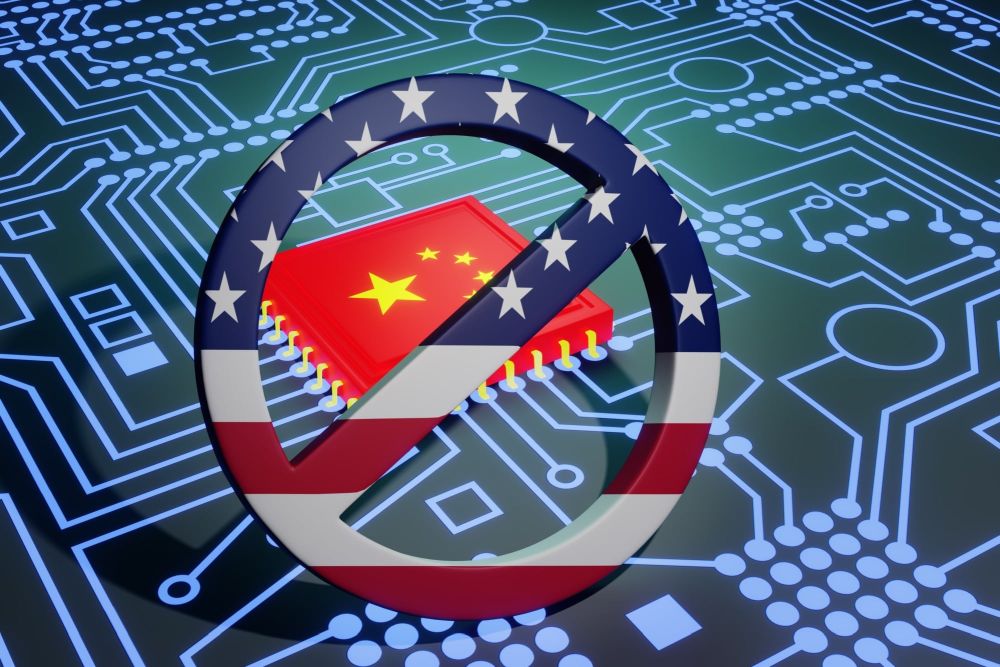
Reading Time : 2minutesThe United States risks undermining its own prosperity by turning trade and finance into weapons. Sanctions and tariffs may weaken rivals in the short term, but they also encourage the rise of alternative systems that bypass American influence. If this trend continues, the dollar’s dominance could falter, leaving the U.S. exposed to inflation, capital flight, and declining global leverage.
Reading Time : 2minutesU.S. Treasury Secretary Scott Bessent told G20 nations America will not accept China rivaling or supplanting it as the world’s leading economy. He urged allies to raise trade barriers against Beijing, framing containment as essential to preserving U.S. global economic primacy.
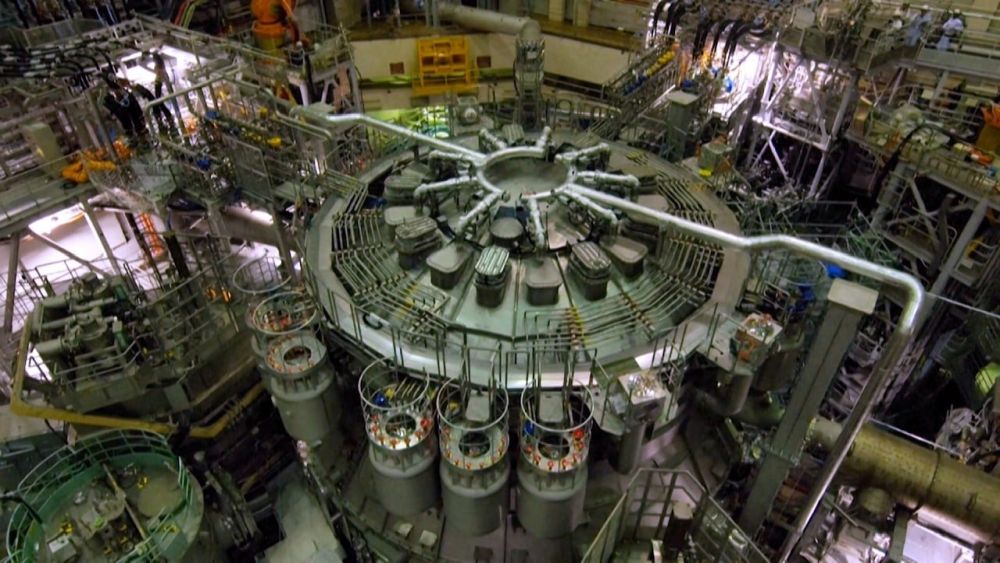
Reading Time : 2minutesAt the 2026 Fusion Energy Conference, China detailed HL-4, a tokamak built to validate high-temperature superconducting magnets under reactor-like stress. Alongside a 25-tesla magnet prototype plan by 2030 and recent large-coil milestones, the announcements mark a coordinated push to industrialize fusion components and seize the supply-chain advantage in the global race to commercialize fusion energy.
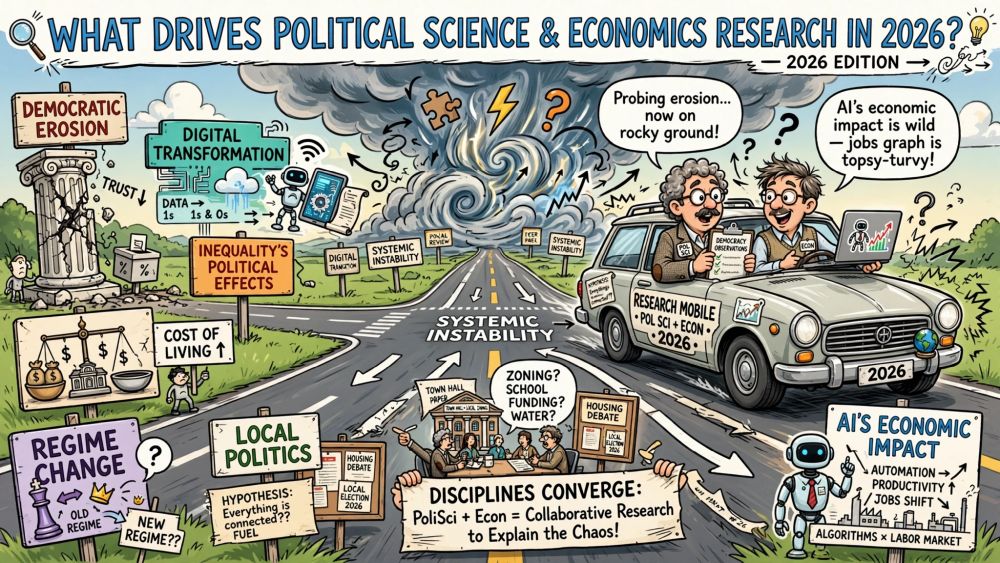
Reading Time : 3minutesWhat drives political science and economics research in 2026? Scholars probe democratic erosion, digital transformation, and inequality’s political effects. Regime change, local politics, and AI’s economic impact take center stage as disciplines converge to explain systemic instability.
Reading Time : 2minutesChina’s manufacturing rise appears to challenge the traditional Flying Geese Model, but the evidence suggests a more complicated story. Low-cost production has moved elsewhere, even as China preserves powerful industrial ecosystems and expands into advanced sectors. The real question is not whether China ended Asia’s development path, but whether other countries can still climb it successfully in the decades ahead.
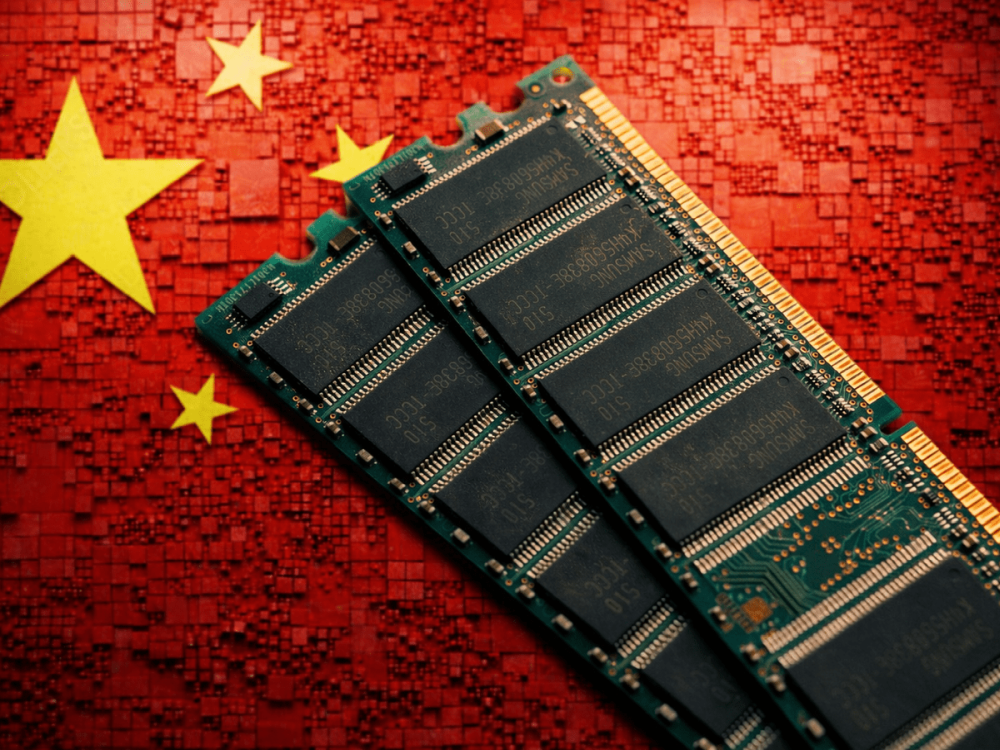
Reading Time : 2minutesMemory shortages are no longer a distant industry problem. They are reshaping the computers consumers can buy, the prices manufacturers can sustain, and the balance of power among global chipmakers. As Chinese supplier CXMT expands during an AI-driven supply crunch, the PC market is becoming a test of resilience, technological independence, and who controls the next generation of hardware itself.
Reading Time : 2minutesGold’s 25% crash has scared investors, yet analysts see a rare buying window as war-driven panic fades and long-term fundamentals quietly strengthen beneath the noise.
Reading Time : 2minutesZuckerberg challenges the US to compete through innovation rather than restriction, warning that banning Chinese AI models could backfire by cementing domestic monopolies and slowing the very progress America seeks to protect. His call for open competition marks a significant divergence from peers advocating for tighter controls.
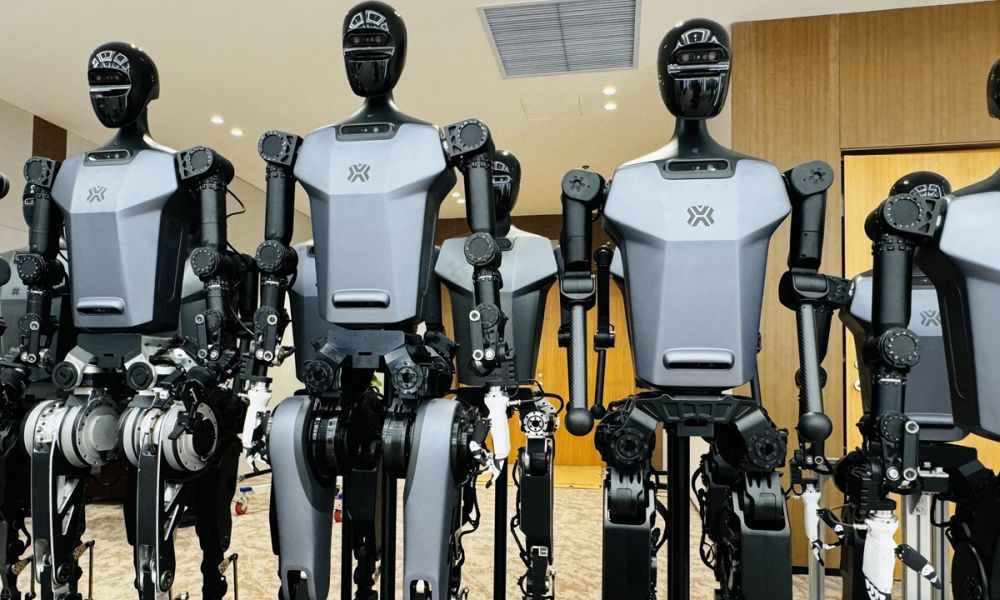
Reading Time : 2minutesBYD’s August robot debut lands as the US bans new Chinese humanoid imports, tightening the tech cold war. Designed for showrooms, Xiaodi aims to greet customers and demo cars, not storm factories. The move signals a wider pivot from EVs to embodied AI, even as Washington builds a wall around its AI supply chain. What began as a product reveal is now a geopolitical flashpoint.
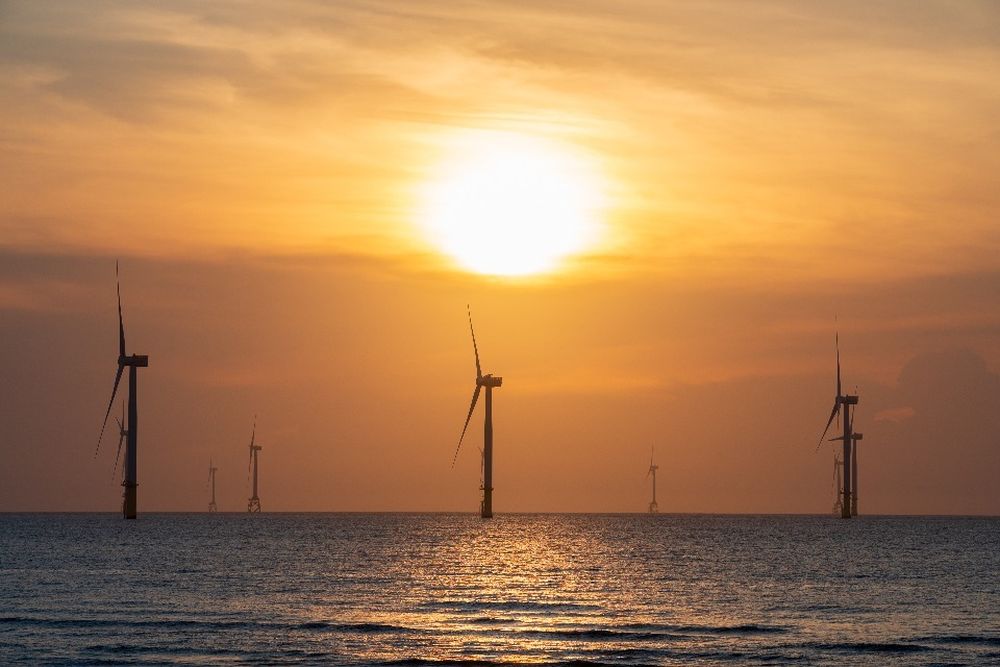
Reading Time : 2minutesTaiwan is accelerating offshore wind expansion to meet rising energy demand driven by semiconductors and AI. The plan targets up to 27.9 gigawatts by 2039, aiming to boost energy security and cut emissions. While progress is notable, challenges remain in infrastructure, supply chains, and environmental management as the island scales its renewable ambitions.
Reading Time : 2minutesThe release of Alibaba’s open source AI stack signals a deeper shift in the global AI race. Beyond hardware, control over software ecosystems is emerging as the decisive battleground. As China accelerates efforts to build independent alternatives, the question is no longer whether competition will intensify, but how quickly developers and enterprises will respond to these new options.
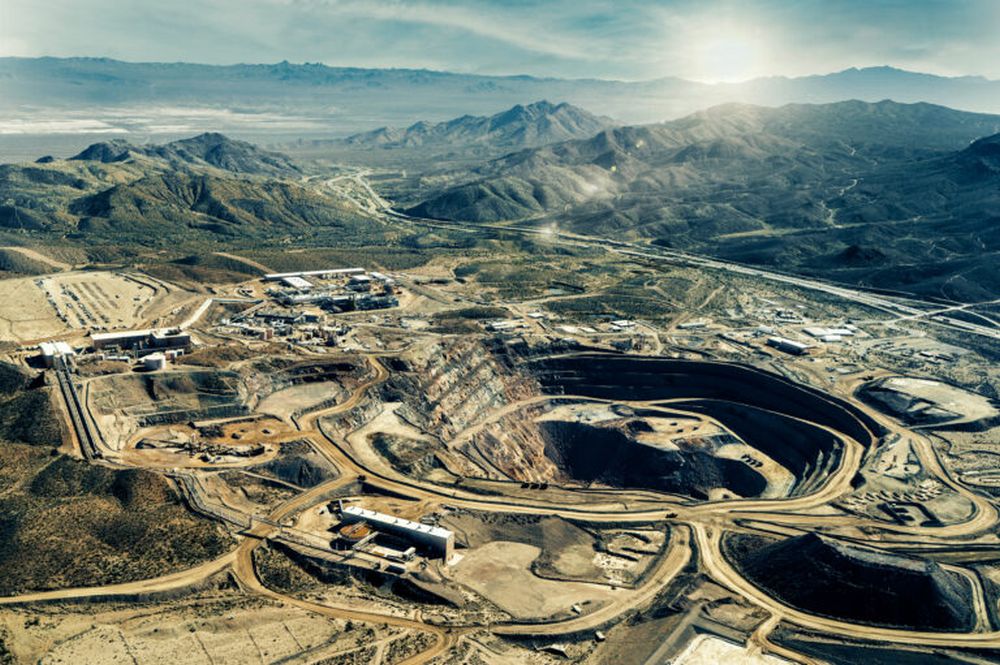
Reading Time : 2minutesThe global race for critical minerals is shifting toward processing and value creation. Emerging markets face a rare chance to climb the economic ladder, but structural barriers threaten progress. Indonesia shows what is possible, yet replication remains uncertain. As demand accelerates, the competition to control supply chains is intensifying, leaving limited time for countries to act decisively.
Reading Time : 2minutesThis shift in Nvidia’s Asian sales strategy highlights mounting pressure on tech firms to enforce export controls independently. By cutting off loosely vetted buyers, the company is signaling a stricter compliance era. The move raises questions about how many chips previously slipped through regulatory gaps and how global AI supply chains will adapt under tightening geopolitical constraints.