
A huge vehicle carrier has arrived in Melbourne with thousands of electric cars aboard, and the timing raises a sharper question than simple shipping logistics: is Australia finally entering a new phase in its motoring history? The scale alone is striking. One vessel, one delivery, and yet the implications reach far beyond the port, touching policy, consumer habits, energy security, and the speed at which the country may leave petrol behind.
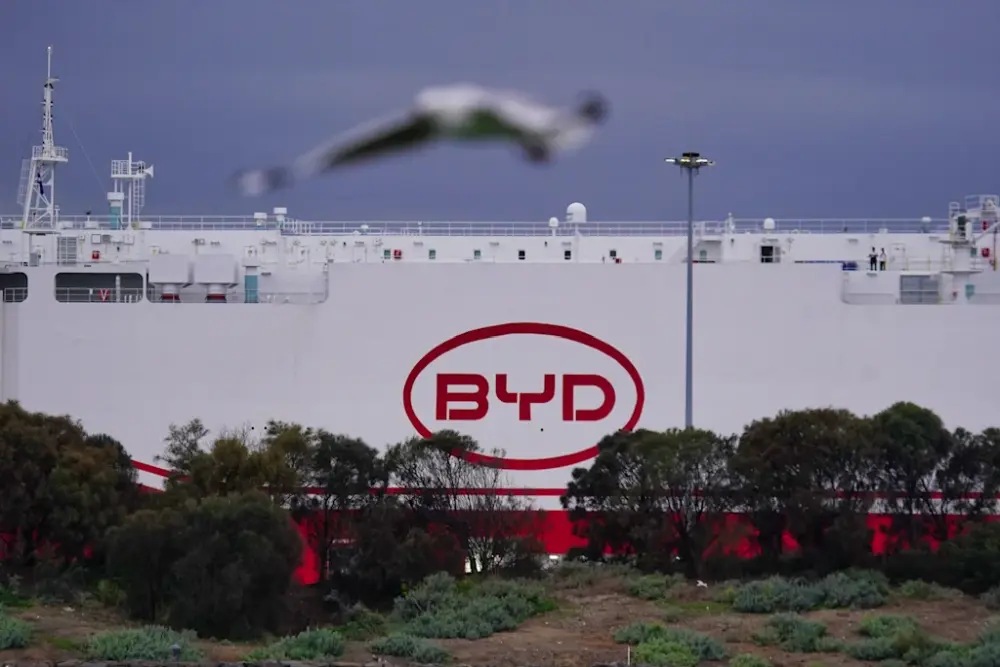
What makes this arrival notable is not just the cargo but the message it sends. Electric vehicles are no longer a fringe idea waiting for the market to catch up. They are being moved in bulk, planned around in fleets, and treated as a serious commercial force. That suggests demand is no longer hypothetical. It is visible, measurable, and large enough to justify a dedicated ship built for the job.
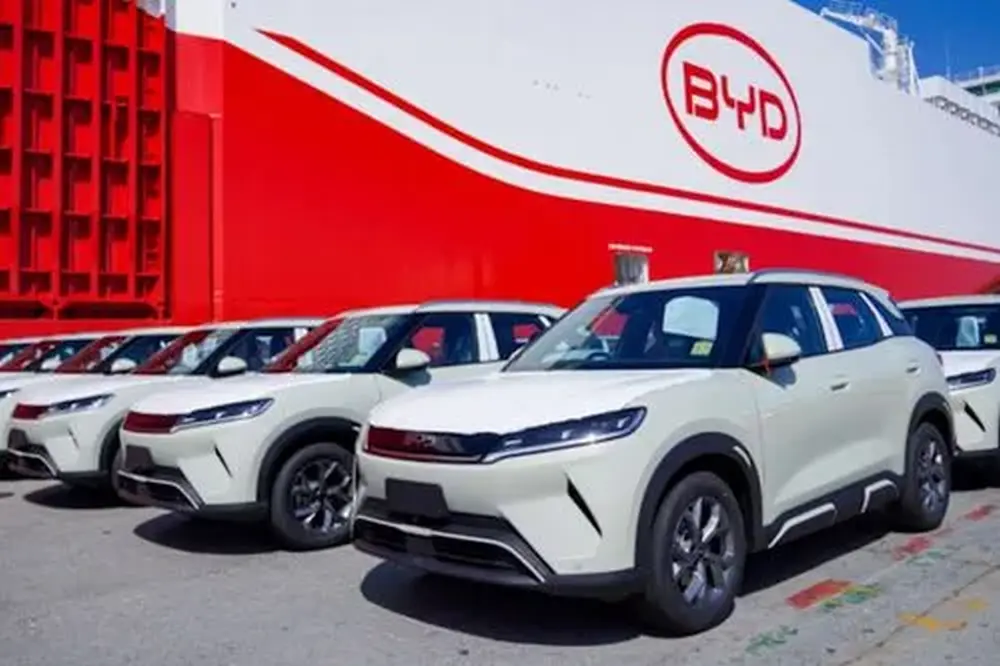
Still, the deeper question is whether supply can now outrun hesitation. Australia has long talked about cleaner transport, but progress often moved at the pace of debate rather than adoption. A shipment like this tests whether the market is ready for acceleration, whether charging networks can keep up, and whether buyers will follow the signal from the docks to the driveway. In that sense, the vessel is not merely delivering cars. It is delivering a challenge.
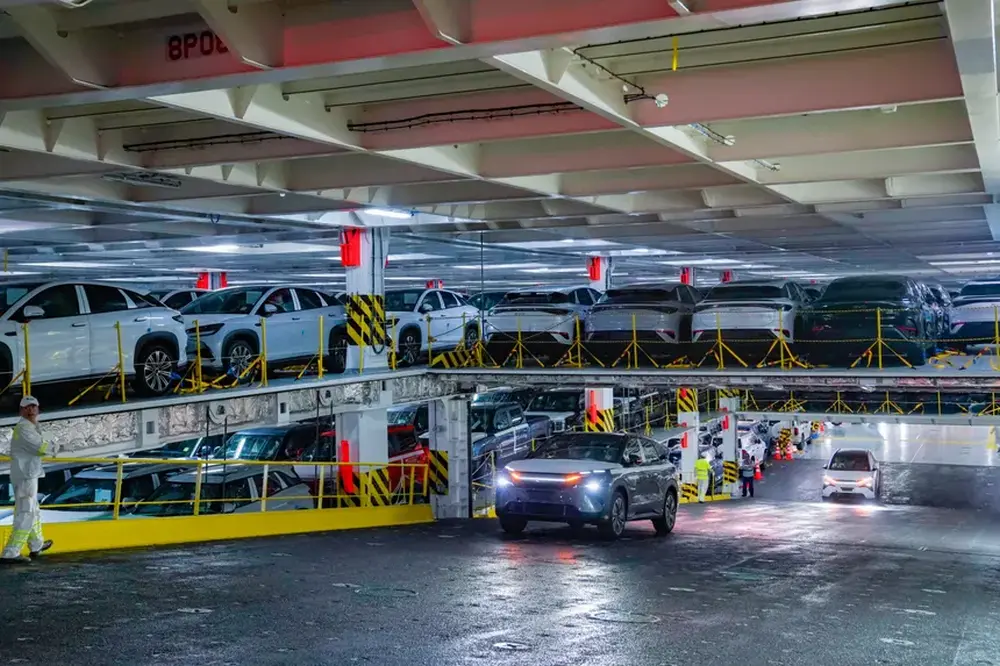
If this moment proves anything, it is that the transition is becoming harder to dismiss. The old model of motoring, built on fuel dependence and slow change, is meeting a new reality shaped by scale, technology, and geopolitics. Australia may not have declared a revolution, but the evidence is increasingly arriving by ship. The question now is how quickly the rest of the system will move.

#EVs #Australia #Melbourne #BYD #ElectricVehicles #TransportShift #EnergySecurity #AutomotiveFuture