
Qantas’s Project Sunrise is less a flight plan than a test of aviation’s limits. The ambition is simple to state and difficult to deliver: connect Australia’s east coast directly with London and New York, without a stop, and do it on routes that can stretch to roughly 22 hours in the air. That is not just another long-haul service. It is a challenge to the way modern airlines think about range, fuel, fatigue, and the economics of time itself.
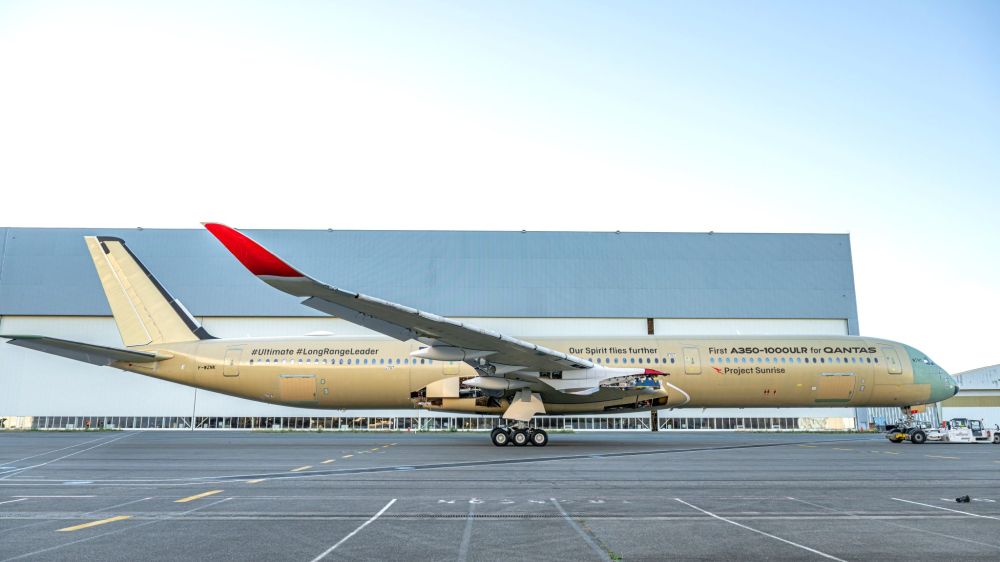
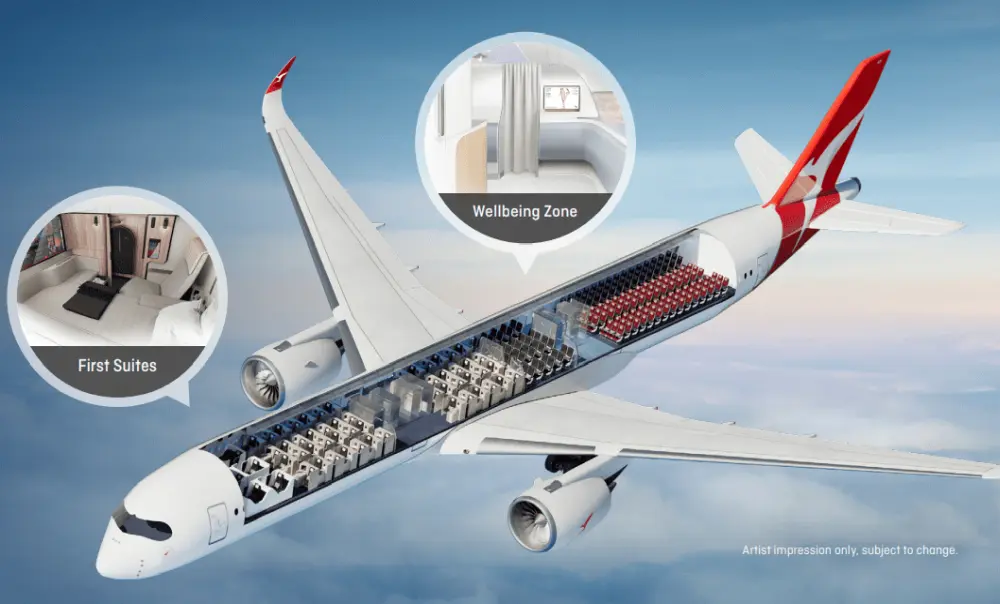
At the center of the project is a specially adapted Airbus A350-1000ULR, built for extreme endurance. The aircraft has been modified with an extra fuel tank and a leaner cabin layout to make those nonstop journeys possible, while also leaving room for a more carefully designed passenger experience. In other words, the plane is being shaped not only to fly farther, but to make such a punishing journey feel more humane for passengers and crew alike.
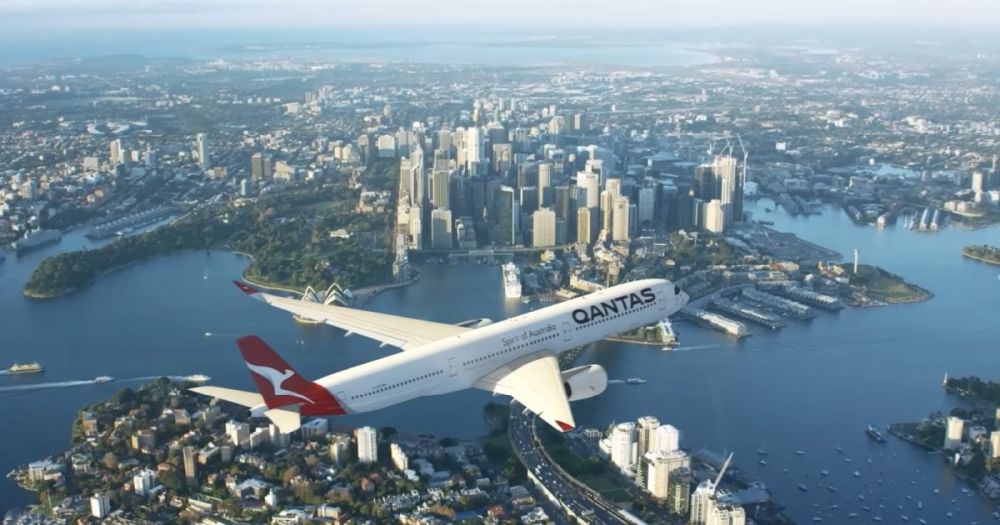
The latest milestone, the aircraft’s maiden test flight in Toulouse, suggests the idea is moving from ambition to reality. That does not mean the hard part is over. Ultra-long-range flying raises difficult questions about comfort, crew scheduling, fuel burn, and whether travelers will truly accept spending nearly a day in the air if the tradeoff is skipping layovers. Project Sunrise is therefore not just about speed or convenience. It is about whether airlines can redesign distance itself into something commercially workable.
What makes the project especially intriguing is its broader meaning. If Qantas succeeds, it could reshape long-distance travel and redefine what counts as a normal intercontinental route. It would also turn a long-discussed dream into a practical demonstration that aviation still has room to reinvent itself, even in an era already crowded with technical limits and economic pressure. The real question now is not whether such flights are possible, but whether the world is ready to fly them regularly.

#ProjectSunrise #Qantas #Aviation #Airbus #LongHaulFlights #TravelTech #UltraLongHaul #A350 #FutureOfFlight