
Paris opened its flagship technology gathering this week under an unmistakable theme: machines are no longer tools at the margins, they are stepping into human spaces. At VivaTech 2026, humanoid robots did not sit behind glass or remain confined to concept demos. They greeted visitors, moved through crowds, and performed tasks with a confidence that suggested deployment is no longer theoretical but imminent.
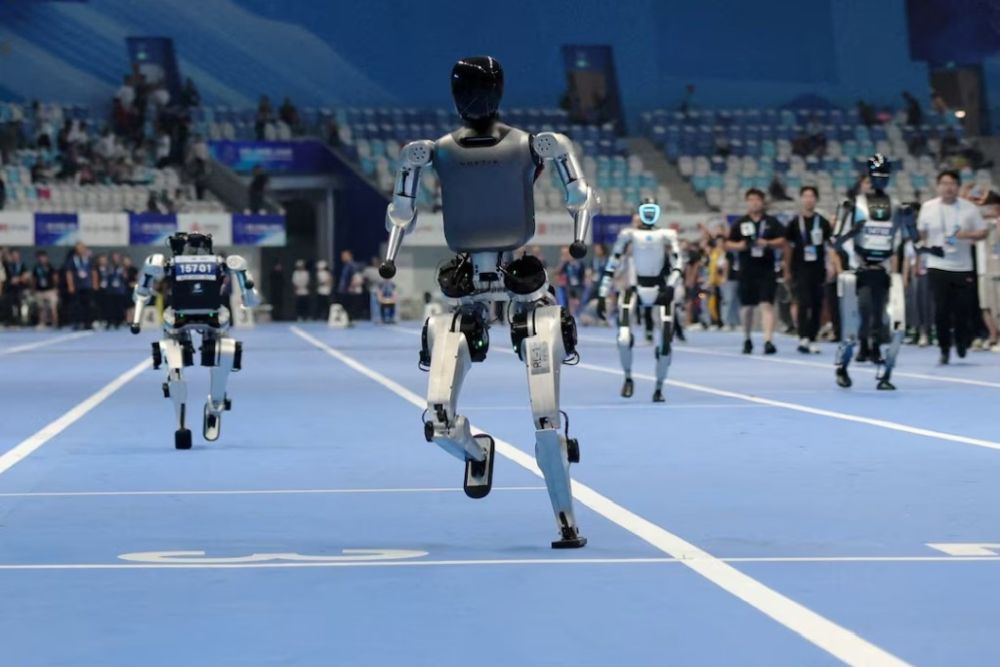
On the exhibition floor, agile humanoid units from emerging and established players demonstrated balance, coordination, and task adaptability. Some mimicked boxing routines, others navigated dynamic environments, hinting at a future workforce designed for warehouses, assembly lines, and hazardous settings. What once felt experimental now carries the tone of early commercialization, with companies quietly signaling readiness for scaled deployment rather than distant ambition.
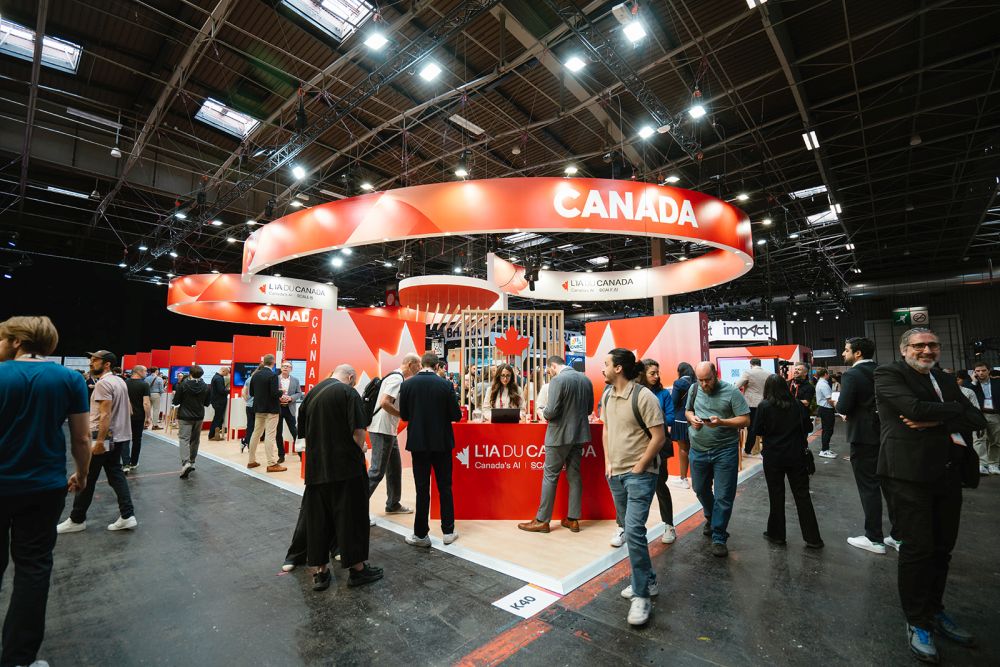
Behind the spectacle, deeper industrial alignments are forming. Major manufacturing and semiconductor players are converging on Europe, with France positioned as a strategic hub due to its energy stability and technical talent base. Partnerships unveiled during the event suggest a coordinated push to build AI infrastructure alongside robotics ecosystems, blending physical automation with advanced computing. The message is clear: the next industrial race will be fought on both silicon and steel.
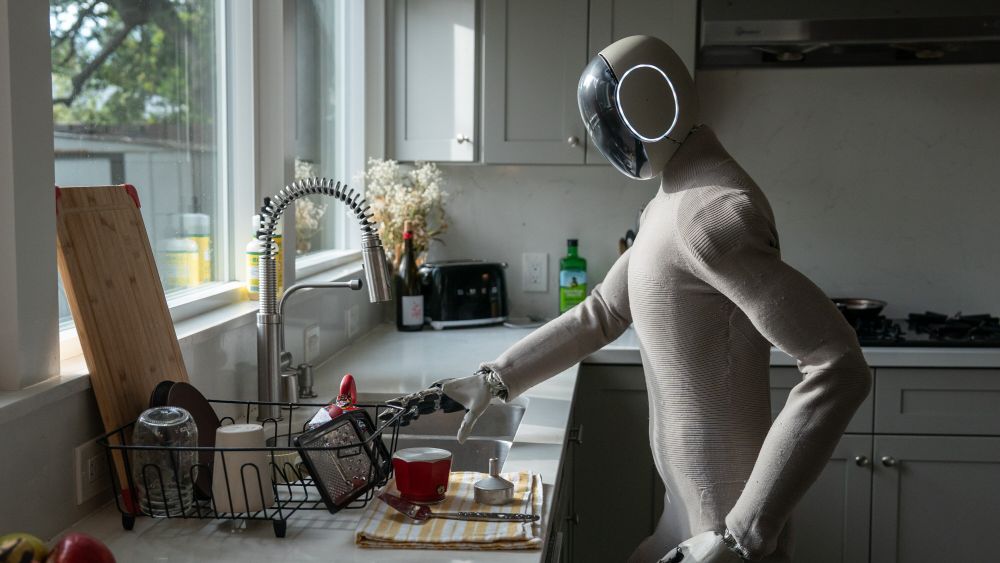
The momentum extends beyond exhibitions into active rollout timelines. Pilot programs are transitioning into real factory environments, with humanoid robots expected to take on repetitive and precision-driven tasks within the next year. Industry leaders describe this shift as the beginning of physical AI at scale, where software intelligence and mechanical capability converge. What Paris is showcasing is not just innovation, but an early glimpse of labor transformation already underway.

#VivaTech2026 #HumanoidRobots #ArtificialIntelligence #TechIndustry #Automation #FutureOfWork #AIInfrastructure