
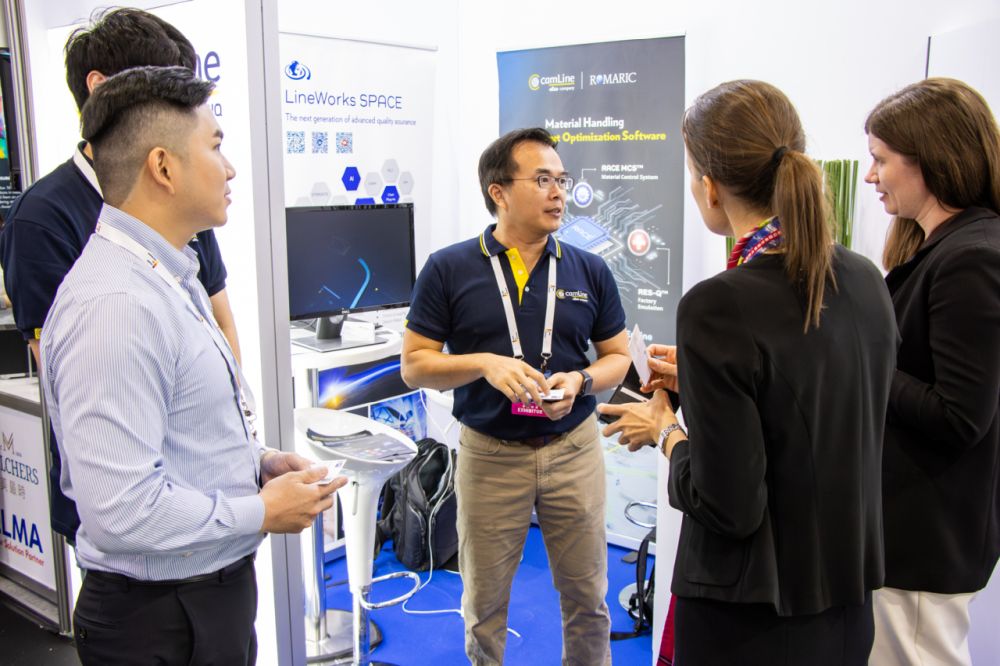
Taiwan’s largest industrial automation exhibition opened this week in Taipei with a clear message: artificial intelligence is no longer a supporting act but the lead performer in the next manufacturing revolution. The four-day event at the Nangang Exhibition Center brought together roughly 1,200 exhibitors from 16 countries, all converging on a single premise that the factories of tomorrow will be built on AI-powered robotics, autonomous systems, and intelligent supply chains.
Government backing for this transformation arrived in the form of hard numbers. Premier Cho Jung-tai announced that the Cabinet has allocated NT$229.3 billion for technological development in the 2027 budget, representing a 12.8 percent increase from current funding. Within that pool, NT$40.8 billion is specifically dedicated to AI development, marking a 25 percent year-over-year jump that signals Taipei’s determination to position itself at the center of the global AI hardware ecosystem.
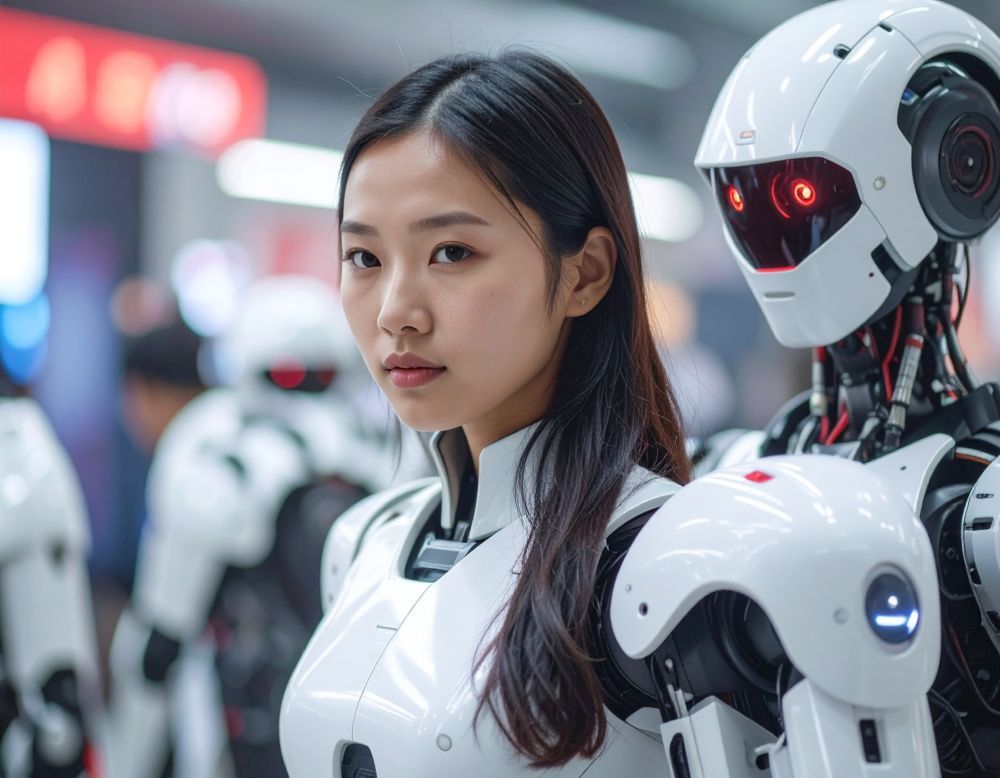
On the exhibition floor, major players unveiled platforms that blur the line between traditional automation and embodied intelligence. Delta Electronics demonstrated a dual-arm robot capable of learning tasks through voice commands and executing them with minimal human intervention. Primax Tymphany Group showcased an autonomous delivery robot already undergoing trials in Japan and South Korea, while Techman Robot introduced a dual AI engine strategy that integrates collaborative and humanoid robots into a single architecture. These are not prototypes gathering dust in research labs but systems approaching commercial deployment.
Beneath the technological spectacle lies a more pragmatic driver: the global labor shortage. HIWIN Technologies, displaying a humanoid robot designed for supply chain logistics, put it bluntly when a company executive noted that repetitive loading and unloading work increasingly lacks willing workers. The robotics on display are being developed not merely to boost efficiency but to fill gaps in the workforce that demographics suggest will only widen in the coming years.

#AutomationTaipei2026 #AIRobotics #SmartManufacturing #TaiwanTech #Industry40 #HumanoidRobots #AILabor #IndustrialAutomation