
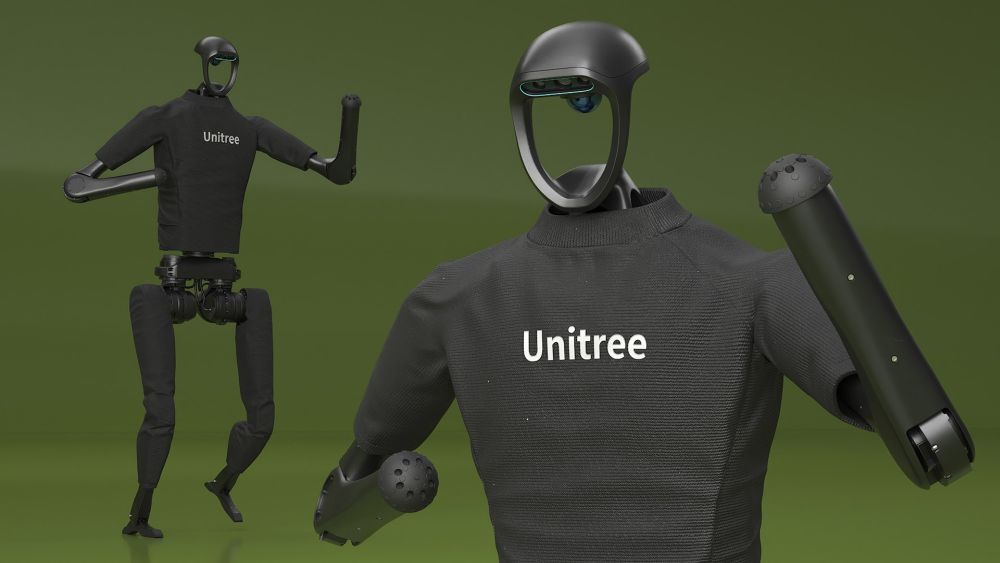
Unitree Robotics’ spectacular market debut has intensified the belief that humanoid robots are approaching a breakthrough comparable to ChatGPT. But the company’s founder, Wang Xingxing, offered a far more cautious assessment after shares surged nearly sixfold on their Shanghai debut. His definition of that breakthrough is not a choreographed demonstration or a robot completing a single industrial task. It is a machine placed in an unfamiliar home that can perform about 80 percent of requested tasks using voice or text commands alone. By that standard, the industry remains years away.
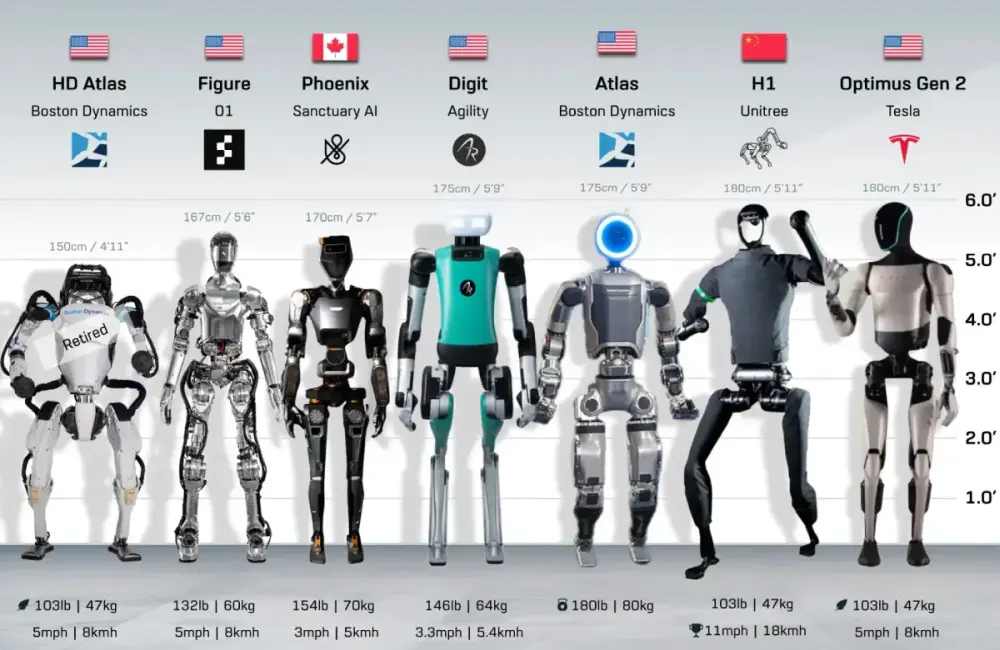
Wang said the necessary software advances could arrive within two or three years if progress accelerates, but may take five to ten years under less favorable conditions. The expanded timeline is significant. It suggests that the excitement surrounding Unitree’s IPO and China’s robotics ambitions has moved faster than the underlying technology. Investors are pricing in a vast commercial market, while the engineers are still confronting basic questions of reliability, adaptability and common sense. A robot that can walk, lift objects or perform a rehearsed routine is not necessarily a general-purpose machine.
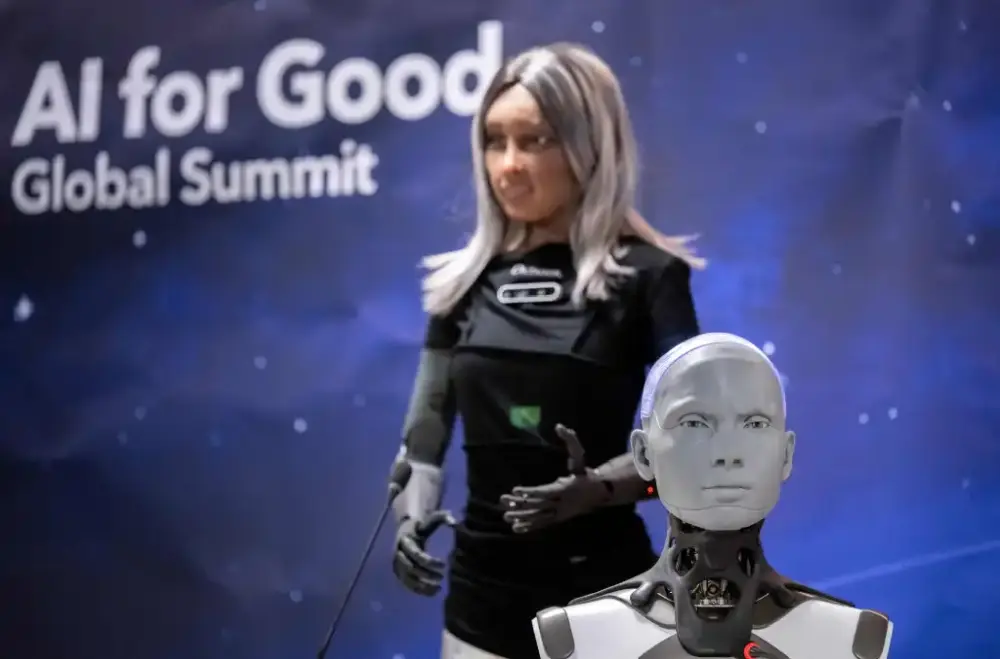
The central obstacle is data. Language models benefited from an enormous supply of text and images gathered from the digital world. Robots need something more difficult to obtain: vast quantities of precise, real-world interaction data showing how objects move, break, resist, slip and respond to force. Unitree is directing substantial resources toward world models, the systems intended to help robots predict physical outcomes before acting. Yet Wang acknowledged that the company is still behind in applying these models outside controlled environments. Robots continue to struggle with generalization and often require retraining for each new situation, particularly during the final centimeters of a delicate physical task.
China nevertheless holds a commanding industrial position. Industry data indicates that Chinese manufacturers accounted for more than 97 percent of global humanoid robot shipments in the first half of 2026, while forecasts put the country’s annual shipments at roughly 50,000 units. The apparent lead, however, conceals a fragile commercial foundation. Many buyers are universities and research institutions rather than ordinary households or large-scale industrial customers. At the same time, Washington has blocked new imports of foreign-made humanoid and quadruped robots on national-security grounds, a move that directly threatens Chinese companies’ access to the American market. The result is a paradox: China has the production momentum, but the industry still lacks convincing evidence that these machines can operate independently, while geopolitics is narrowing the market in which that evidence might be tested.

#HumanoidRobots #Unitree #PhysicalAI #ChinaTech #Robotics #ArtificialIntelligence #Geopolitics