
OpenAI has quietly turned ChatGPT into a personal assistant that can read and send your iMessages. A new plugin for the macOS desktop app gives the AI direct access to Apple’s Messages, letting it search old threads, summarize conversations, draft replies, and even hit send on your behalf. The feature works across iMessage, SMS, and RCS, but only on Macs powered by Apple silicon, leaving older Intel machines out of the loop.

By default, ChatGPT requires explicit user approval before sending any message, a safeguard meant to prevent accidental or unauthorized texts. Yet the company’s own documentation warns that certain automated tasks can disable these approval prompts, creating a potential loophole. OpenAI advises users to think carefully before granting persistent approval, a caution that underscores the tension between convenience and control in an era of AI-driven automation.

Privacy advocates are already raising alarms about what it means for an AI to have unfettered access to private conversations. OpenAI insists that message data is processed locally on the device and that no comprehensive index of chats is created, but the lack of technical transparency leaves room for skepticism. Security researchers describe the current landscape as a “wild west,” where the rush to integrate AI into everyday tools may be outpacing the development of robust privacy protections.
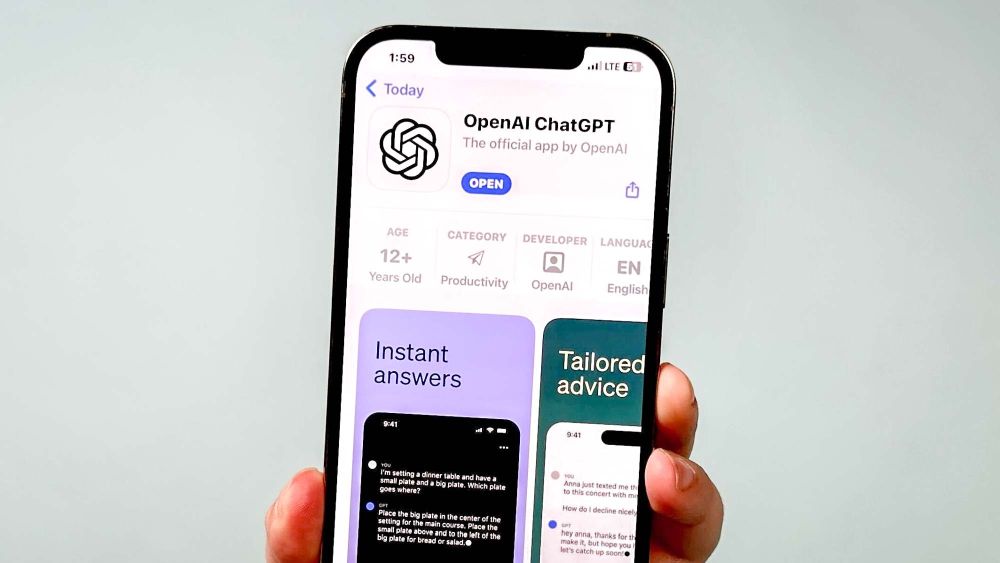
This move is part of a broader strategy by OpenAI to embed ChatGPT into the fabric of daily digital life, automating tasks that were once the exclusive domain of human users. From browsing the web to managing messages, the company is betting that users will trade some privacy for the promise of seamless automation. The question now is whether the safeguards in place are enough to prevent misuse, or if this is just the beginning of a new era where AI assistants have unprecedented access to our most personal communications.

#OpenAI #ChatGPT #AppleMessages #Privacy #AI #Automation #MacOS #TechNews #CyberSecurity #iMessage