Reading Time : 2minutesArtificial intelligence is changing political disinformation from a labor-intensive operation into a potentially industrial process. Convincing images, voices and videos can now be produced rapidly and distributed globally. The central threat is therefore not merely that people will believe one fabricated story, but that repeated synthetic evidence could gradually destroy confidence in authentic information itself, making reality increasingly difficult to verify.
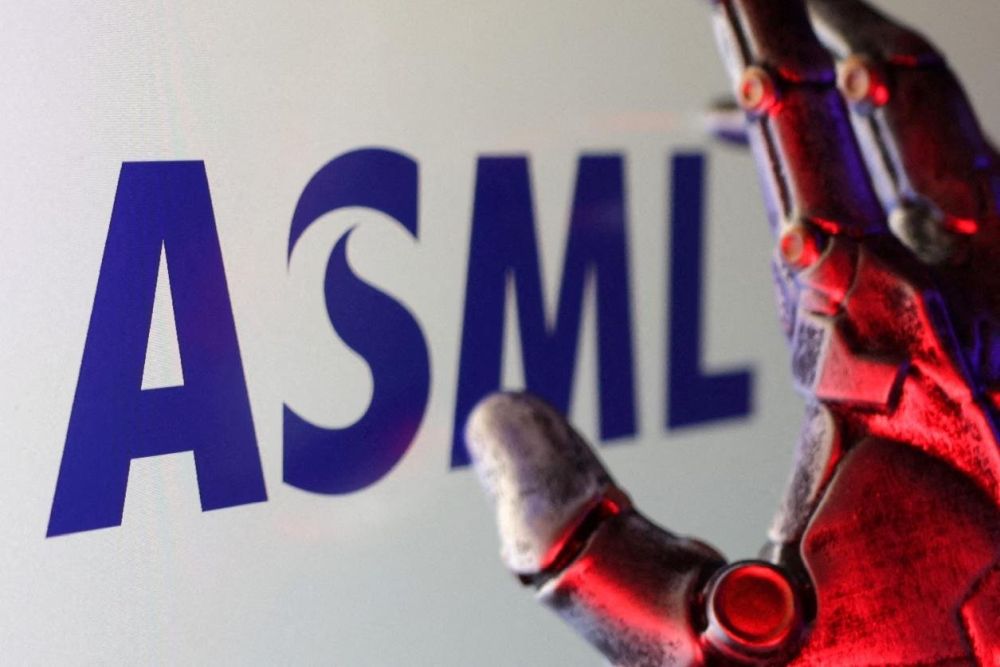
Reading Time : 3minutesASML is building far more than another semiconductor facility. Its enormous new Eindhoven campus points toward a future where artificial intelligence demands unprecedented quantities of increasingly sophisticated chips. As chipmakers push toward larger dies, denser architectures and next-generation lithography, ASML is expanding the machinery that makes those ambitions possible. The industrial race behind AI may be only beginning.
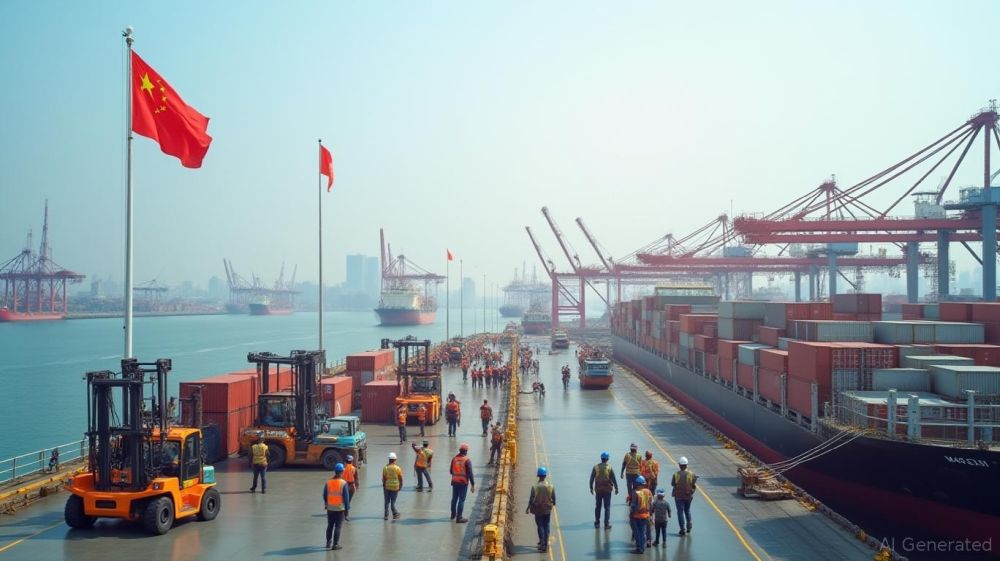
Reading Time : 3minutesThe headline numbers tell one story, but the undercurrents reveal a different one. Strong exports are masking deep domestic fragility, and the trade surplus keeps widening into territory that invites retaliation. With a Trump-Xi summit approaching and tariff cuts on the table, the stakes are rising fast.
Reading Time : 3minutesIFA 2026 opened on September 4 at Messe Berlin with artificial intelligence woven into nearly every product on display, from washing machines and televisions to humanoid robots on a catwalk. Samsung’s withdrawal from the main hall after three decades handed the spotlight to Chinese firms, with Xiaomi and TCL mounting their largest European showcases to date and a record 932 Chinese exhibitors filling the void.
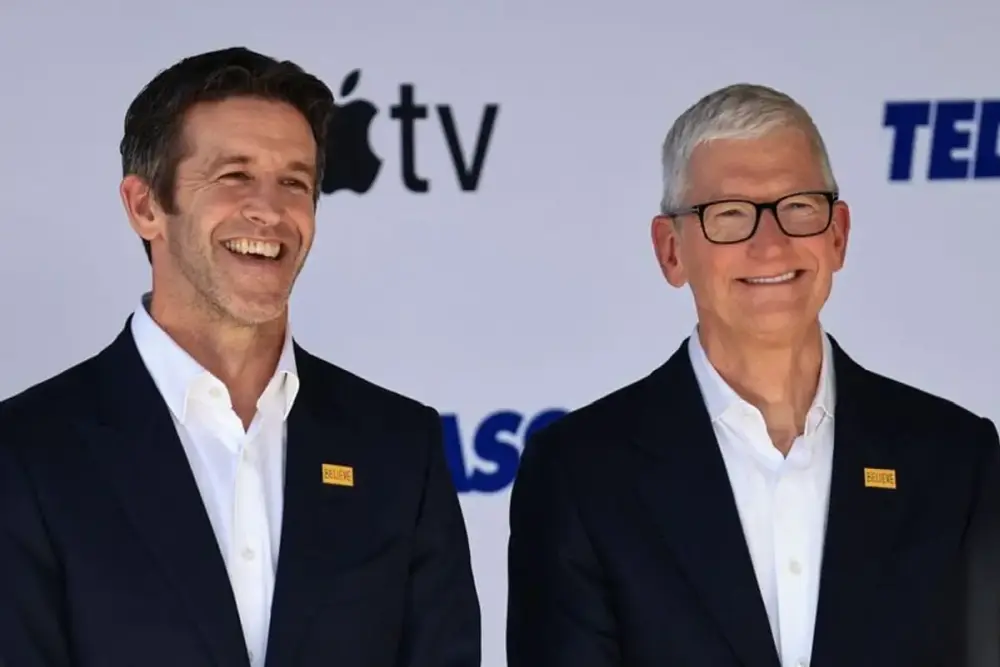
Reading Time : 2minutesWhen John Ternus posted a lowercase hello to X on his first day as Apple’s third CEO, millions watched within hours. The dormant account, the synchronized Weibo greeting, and a wave of rival executives arriving on the platform suggest a calculated global rollout. The test comes September 9, at Apple’s iPhone launch, where the new CEO’s public strategy meets pressure.
Reading Time : 2minutesThe United States risks undermining its own prosperity by turning trade and finance into weapons. Sanctions and tariffs may weaken rivals in the short term, but they also encourage the rise of alternative systems that bypass American influence. If this trend continues, the dollar’s dominance could falter, leaving the U.S. exposed to inflation, capital flight, and declining global leverage.
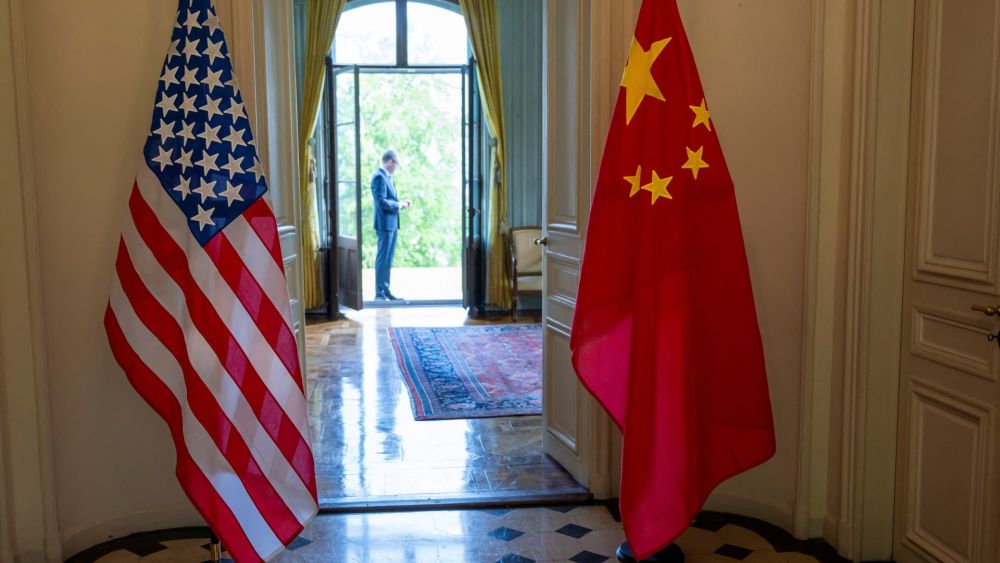
Reading Time : 2minutesU.S. Treasury Secretary Scott Bessent told G20 nations America will not accept China rivaling or supplanting it as the world’s leading economy. He urged allies to raise trade barriers against Beijing, framing containment as essential to preserving U.S. global economic primacy.
Reading Time : 3minutesNepal reversed its refusal to accept international rescue teams after a deadly flash flood killed hundreds and left thousands missing. Under diplomatic pressure, the government approved limited aid from four nations to assist with tunnel rescues and forensic identification as the search for survivors continues.
Reading Time : 2minutesPorsche’s $1.5 billion AI pact with TCS reshapes the automaker’s tech strategy and signals a broader shift in how legacy industries outsource innovation. The sale of MHP and the push into AI-driven operations highlight a new playbook for staying competitive in a rapidly evolving market.
Reading Time : 3minutesShein’s Hong Kong IPO raises up to $1.77 billion at a $27 billion valuation, far below its 2022 peak. Slowing growth, new import charges, and Temu’s pressure have dented margins. Cornerstone investors and a dual-class structure aim to stabilize the debut as the company finally goes public after years of delays.
Hashtags
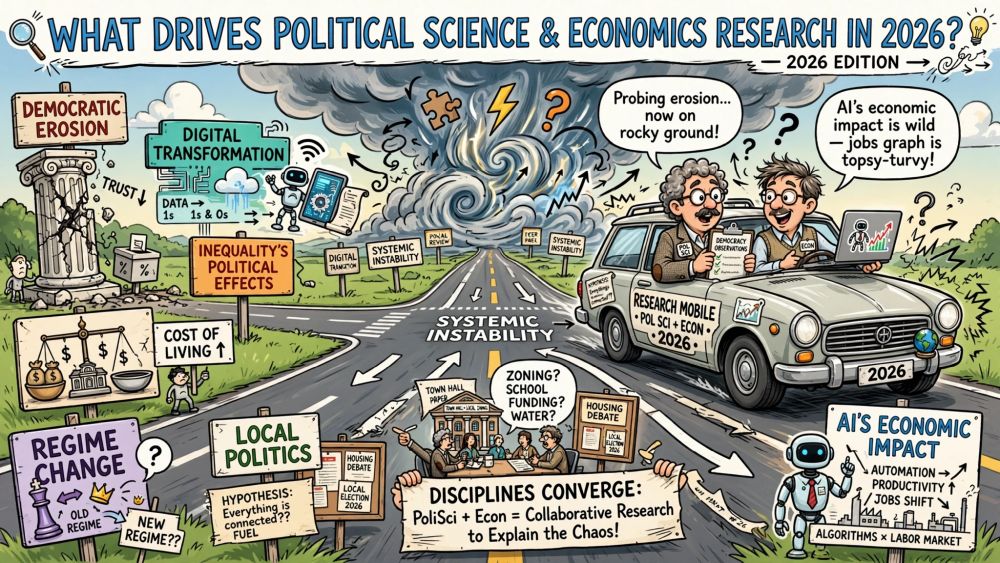
Reading Time : 3minutesWhat drives political science and economics research in 2026? Scholars probe democratic erosion, digital transformation, and inequality’s political effects. Regime change, local politics, and AI’s economic impact take center stage as disciplines converge to explain systemic instability.
Reading Time : 2minutesNokia’s AI order boom has revived investor interest, but the company now faces a demanding test. It must convert a record backlog into revenue while absorbing heavy restructuring costs and withdrawing from China. Insider buying strengthens the bullish case, yet valuation leaves little room for disappointment. Nokia’s next results may determine whether Nokia AI-RAN becomes the foundation of a durable transformation or merely the centerpiece of another short-lived technology rally.
Reading Time : 2minutesChina’s manufacturing rise appears to challenge the traditional Flying Geese Model, but the evidence suggests a more complicated story. Low-cost production has moved elsewhere, even as China preserves powerful industrial ecosystems and expands into advanced sectors. The real question is not whether China ended Asia’s development path, but whether other countries can still climb it successfully in the decades ahead.
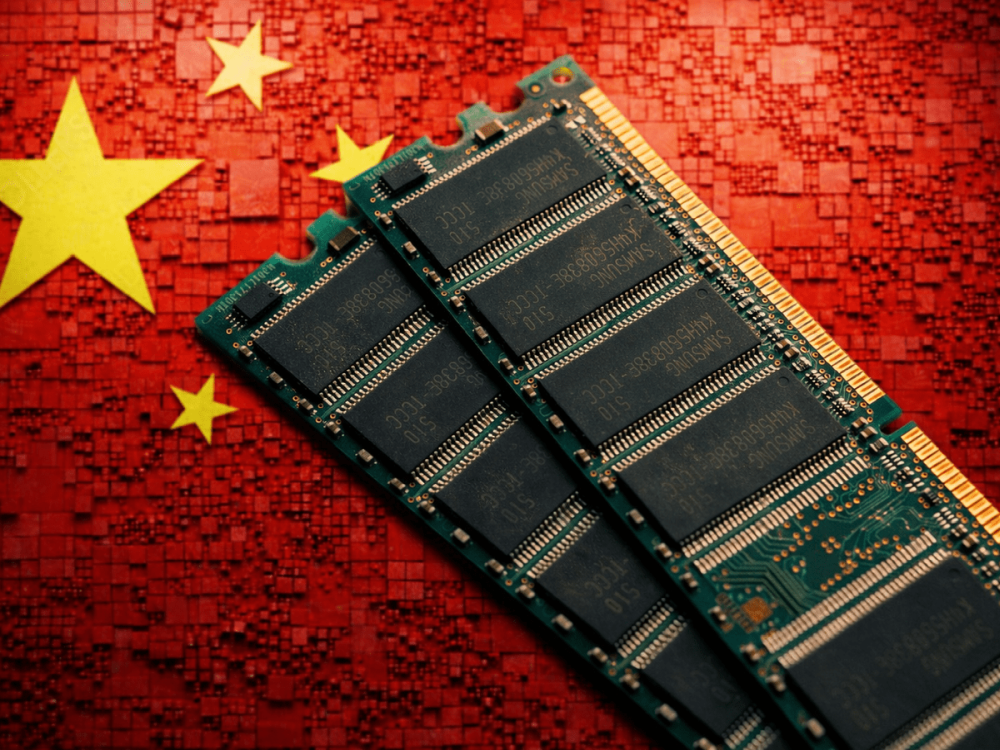
Reading Time : 2minutesMemory shortages are no longer a distant industry problem. They are reshaping the computers consumers can buy, the prices manufacturers can sustain, and the balance of power among global chipmakers. As Chinese supplier CXMT expands during an AI-driven supply crunch, the PC market is becoming a test of resilience, technological independence, and who controls the next generation of hardware itself.
Reading Time : 3minutesAMD’s acquisition of Taalas marks a bold wager on model-specific silicon that can outperform GPUs on token generation. By baking weights into hardware, the startup achieves unprecedented inference speeds at the cost of flexibility. AMD plans to pair these chips with Instinct GPUs in a disaggregated architecture, echoing Nvidia’s Groq strategy.