
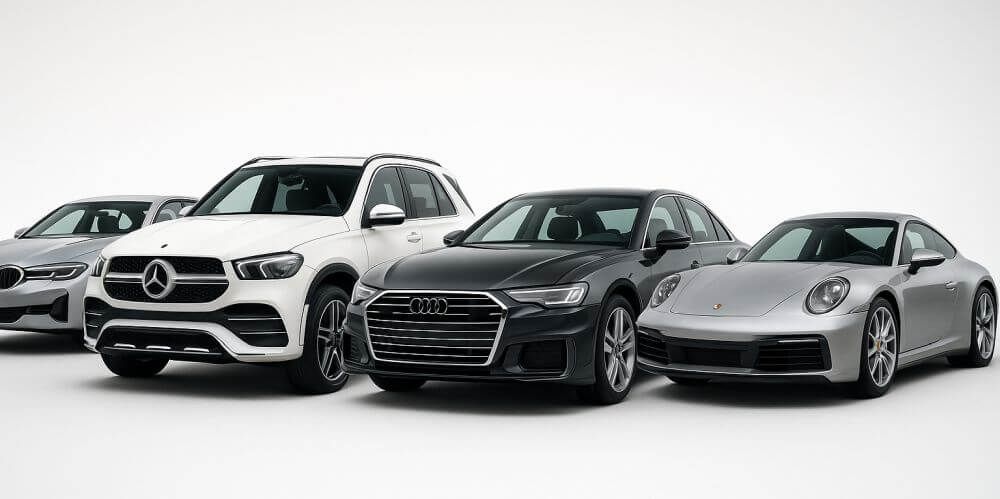
Germany’s premium carmakers are under mounting pressure in China, and the numbers show the damage is spreading across the entire sector. In the first half of 2026, BMW sold 1,004,681 vehicles globally, Mercedes-Benz delivered 837,200, Audi reached 727,200, and Porsche managed 122,300, but every one of those brands posted a year-over-year decline, with Porsche falling the fastest at 16.5%.
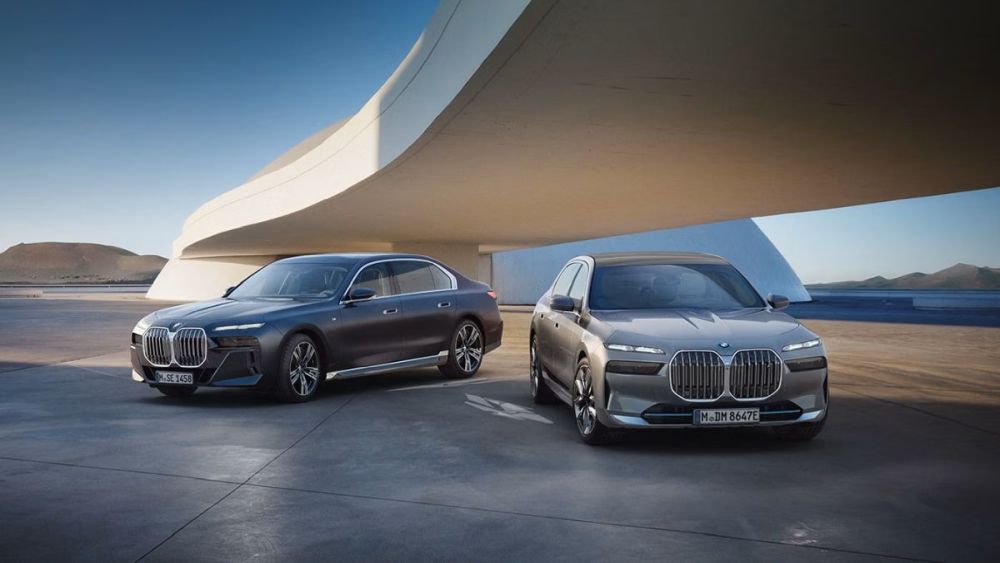
The China picture is even harsher. BMW Group, including MINI, dropped 20.4% in China to 261,773 vehicles through June, Mercedes-Benz fell 28% to 210,200, and Porsche collapsed 32% to just 14,501 units. Audi has not broken out its China figure for the same period, but the broader Volkswagen Group reported a 25.9% decline in China, underscoring how deeply the slowdown has hit the German luxury camp.
The first quarter already showed the scale of the retreat. BMW delivered about 144,000 vehicles in China, down 10% year over year, Audi sold 127,100, down 12%, and Mercedes-Benz posted the steepest drop among the trio at 111,600 units, down 27%. Taken together, BMW, Mercedes-Benz, and Audi lost about 69,800 vehicles in China in that quarter alone, a sign that this is no longer a temporary dip but a broad market reset.
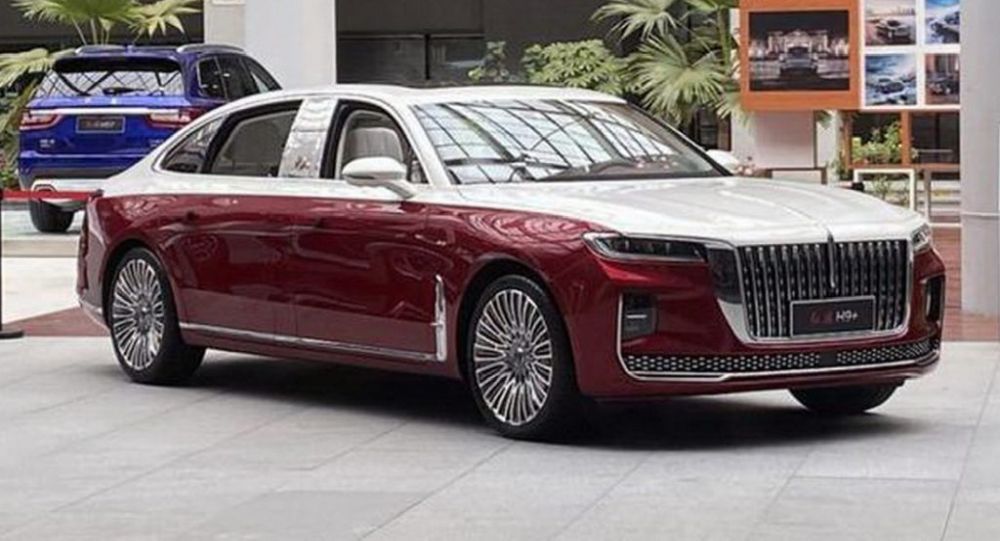
Behind the decline is a mix of weaker Chinese luxury demand, a stubborn property slump, and faster-moving domestic EV brands that are taking over the premium space with software-heavy, locally tuned models. For Germany’s best-known carmakers, the challenge is no longer just selling fewer cars, but defending their relevance in the world’s most important auto market.
#GermanCars #BMW #MercedesBenz #Audi #Porsche #ChinaAutoMarket #LuxuryCars #EVCompetition #AutoIndustry #BusinessNews