When Xi Jinping recently revived the expression “Thucydides Trap” during discussions involving the United States and China, many observers saw more than a simple historical reference. The phrase carries the weight of an ancient warning. It describes the dangerous moment when a rising power begins to challenge an established one, creating fear, suspicion, and eventually the possibility of conflict. By choosing those words publicly, Xi appeared to signal that Beijing sees current tensions with Washington as part of a far larger historical struggle.
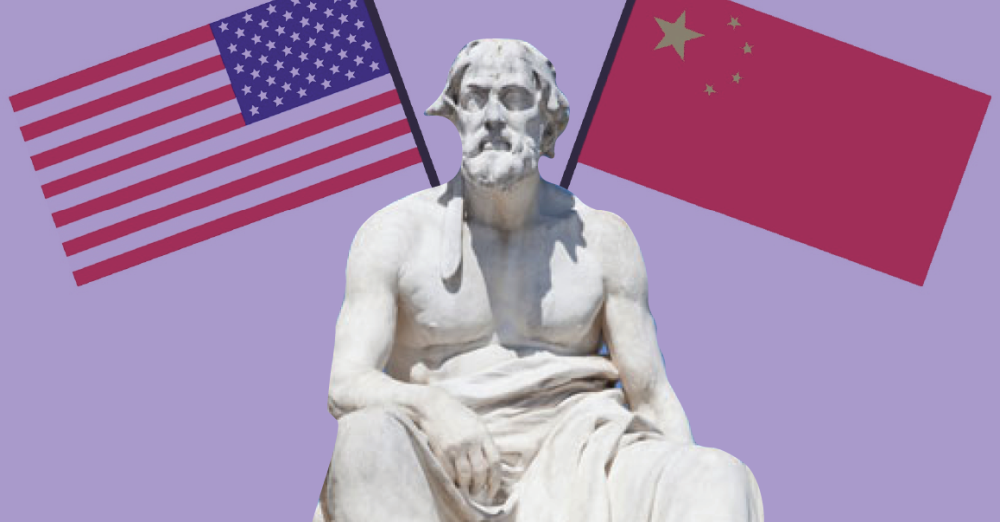
The theory originates from the ancient Greek historian Thucydides, who wrote about the war between Athens and Sparta. According to his interpretation, Sparta feared the rapid rise of Athens, and that fear pushed both sides toward confrontation. Modern strategists later transformed this observation into a political theory used to explain global rivalries. Today, many analysts apply it directly to China and the United States, especially as economic competition, military positioning, and technological rivalry continue to intensify across Asia and beyond.
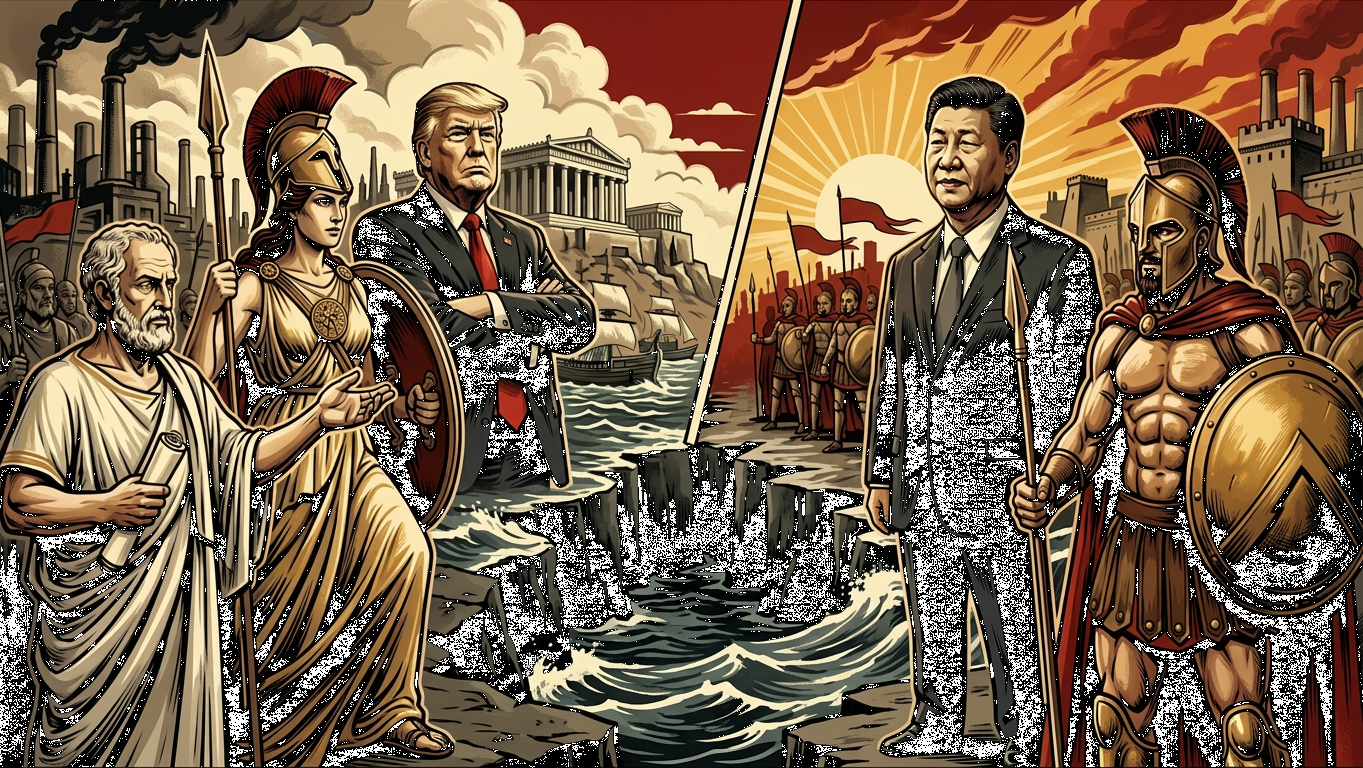
What makes Xi’s comments particularly intriguing is that Chinese officials often present the Thucydides Trap as something that can still be avoided. Publicly, Beijing insists that war between major powers is not inevitable. Yet behind the diplomatic language lies a more unsettling reality. Taiwan, semiconductor restrictions, naval operations in the Pacific, and the race for artificial intelligence have all increased the pressure between the two nations. Every military exercise, trade sanction, or political visit now carries symbolic meaning far beyond its immediate objective.

Some historians argue that comparing modern geopolitics to ancient Greece is simplistic and even dangerous. The world is now connected through global finance, nuclear deterrence, digital infrastructure, and supply chains that bind rivals together economically. Still, the continued use of the phrase by senior Chinese leadership suggests that Beijing wants the world to understand the seriousness of the current moment. The question is no longer whether rivalry exists between China and the United States. The real uncertainty is whether both sides can prevent that rivalry from evolving into something history has already witnessed many times before.

#China #XiJinping #UnitedStates #Geopolitics #Taiwan #History #InternationalRelations #Politics #Asia #GlobalTensions