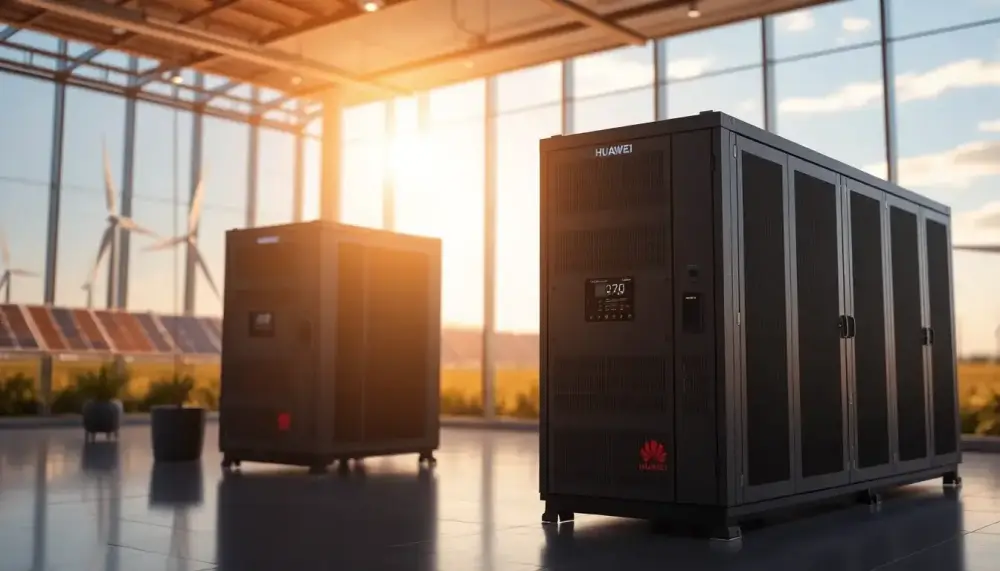
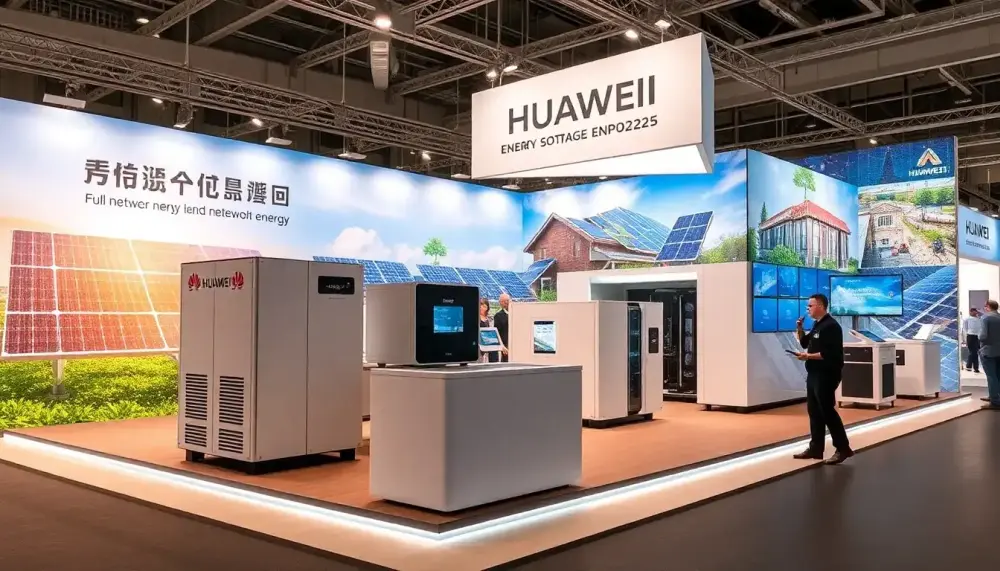
Huawei used Intersolar Europe 2026 not just to introduce a product, but to signal a recalibration of its role in the energy transition. The debut of LUTERRA, a successor to its LUNA platform, points to a deeper ambition: positioning energy storage not as passive infrastructure, but as an active stabilizing force in increasingly volatile renewable-heavy grids. Beneath the branding shift lies a calculated move into grid-forming technologies, an area quickly becoming critical as traditional synchronous generation fades.
At the core of LUTERRA are five tightly integrated technical advances that reflect Huawei’s engineering priorities. The move to a 1000 Vac smart string architecture, supported by silicon carbide components, suggests a push toward higher efficiency and reduced conversion losses. Its through-busbar design appears aimed at compressing deployment timelines while enabling modular expansion at scale. Meanwhile, distributed cooling and digital twin modeling indicate a growing emphasis on lifecycle optimization, not just upfront performance, as operators seek predictable returns in a market shaped by fluctuating energy prices.
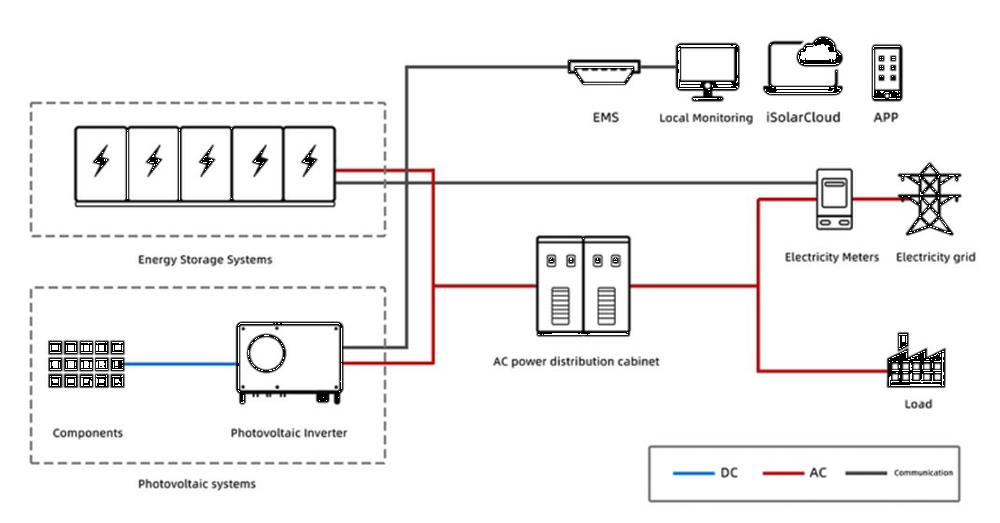
Yet the most consequential feature may be its plant-level grid-forming capability. Huawei is effectively arguing that future energy storage systems must behave more like virtual power plants than backup assets. By synchronizing vast networks of devices and simulating grid inertia, LUTERRA attempts to address one of renewable energy’s most persistent weaknesses: stability under stress. This aligns with a broader European urgency, where grid operators are grappling with the complexities of high solar and wind penetration without sufficient legacy support systems.
The strategy extends beyond utility scale. Huawei’s introduction of the LUTERRA S2 for residential use, alongside its award-winning inverter, suggests a parallel effort to standardize intelligence and efficiency across all layers of the energy ecosystem. Taken together, these developments hint at a company seeking not just market share, but influence over how future grids are architected, managed, and monetized in a decarbonizing world.

#Huawei #EnergyStorage #Renewables #GridForming #Solar #Intersolar2026 #CleanEnergy #Technology