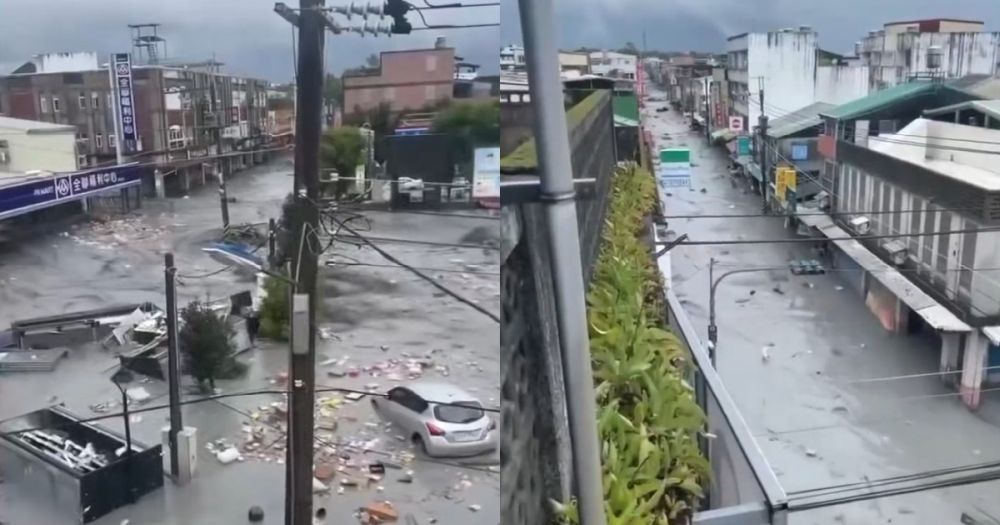
Relentless rainfall driven by a passing tropical storm has submerged parts of southern Taiwan, triggering widespread shutdowns and exposing how tightly the island’s weather is tied to the global technology economy. Nearly six million residents were forced to stay home as floodwaters cut through transport links and overwhelmed drainage systems, raising urgent questions about infrastructure readiness in one of the world’s most critical semiconductor hubs.
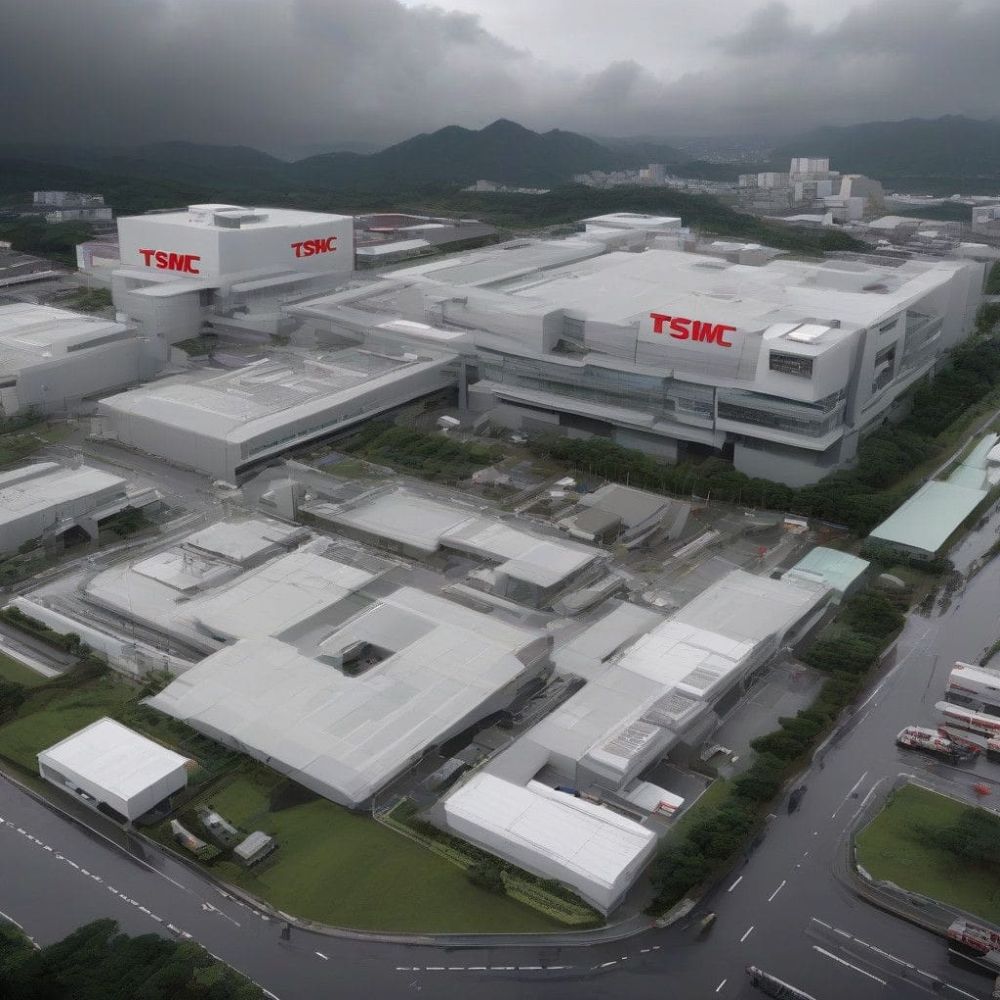
While Taiwan Semiconductor Manufacturing Company reported normal operations across its fabrication plants, the assurance has not fully calmed industry observers. The company’s facilities, particularly in Hsinchu and Tainan, sit at the heart of global chip production for artificial intelligence and high performance computing. Even minor disruptions, whether logistical or environmental, could ripple across supply chains already strained by surging demand and geopolitical pressure.
The situation on the ground reveals a more fragile reality beneath official statements. Rail lines in the south were partially suspended, urban flooding disrupted daily life, and emergency evacuations were ordered in mountainous regions threatened by unstable water buildup. These conditions highlight the vulnerability of Taiwan’s highly concentrated semiconductor infrastructure, much of which depends on uninterrupted water, power, and transport systems.
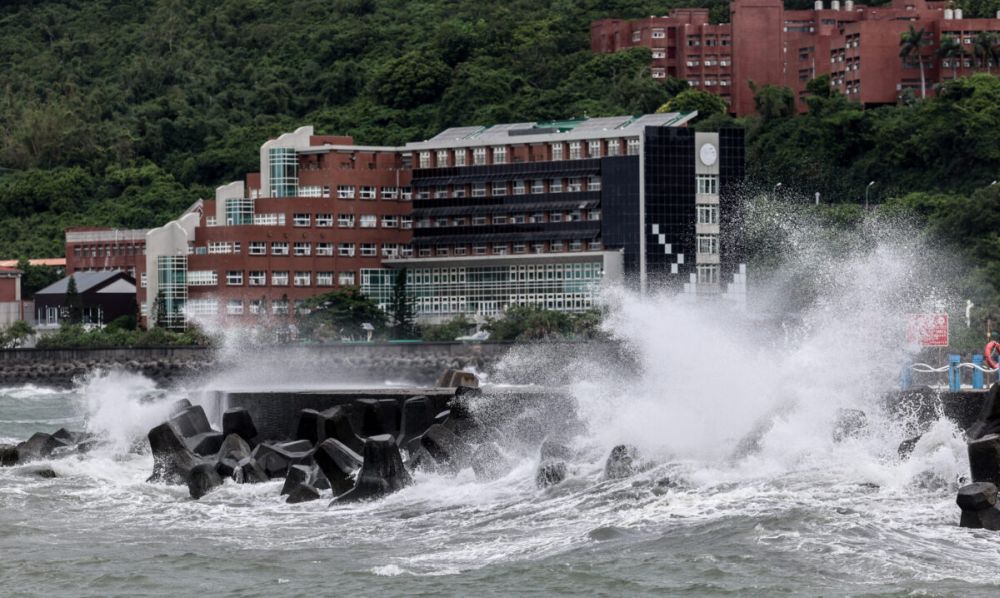
With more rain forecast in the coming days, the storm has become more than a temporary weather event. It is a stress test for Taiwan’s resilience and a warning for global industries that rely heavily on a single geographic node. As climate patterns intensify, the question is no longer whether disruptions will occur, but how often and how prepared the world is to absorb them.

#Taiwan #Typhoon #TSMC #Semiconductors #ClimateRisk #SupplyChain #Flooding #TechIndustry