
Enterprises are burning billions on AI infrastructure while 95% of their GPU power gathers digital dust. Fresh data from thousands of production clusters reveals a shocking reality: average GPU utilization hovers at a measly 5%. Companies pay for 20 times more capacity than their workloads demand. Why does this persist, and what happens when the bills come due?

The numbers tell an even grimmer tale. Third-year analysis shows CPU usage slipping to 8% from 10%, memory down to 20% from 23%. Overprovisioning balloons, with CPUs now 69% excess and memory 79%. Idle GPUs sting hardest, costing dollars per hour versus cents for CPUs. January’s 15% price hike on premium hardware shattered decades of falling compute costs. At 5%, the economics collapse.
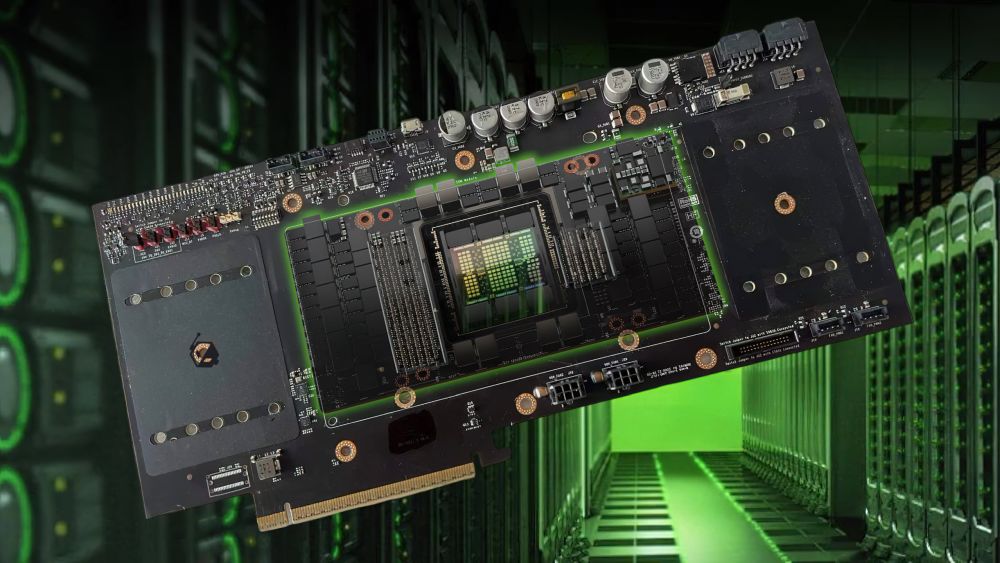
Fear fuels the frenzy. Lead times for data center GPUs stretch 36 to 52 weeks, sparking a hoarding rush. Companies lock into massive contracts, terrified of future shortages. This scarcity loop drives prices skyward, rewarding inefficiency. Top performers hit 50% utilization through relentless automation, treating efficiency as an ongoing battle, not a setup task.
This is no mere operational glitch; it’s a capital crisis. Firms chase scarce supply while squandering what they hold. Static sizing, lazy autoscalers, and forgotten node management drag everyone down. Most accept the hemorrhage, betting growth will justify it. But as AI ambitions clash with finite resources, the hoarding game risks imploding, forcing a brutal reckoning on efficiency.

#AIWaste #GPUHoarding #ComputeCrisis #AIEfficiency #CloudOptimization