
Every year, we gather to celebrate Earth Day with reusable tote bags, biodegradable straws, and a quiet sense of moral achievement. We post filtered photos of trees, maybe hug one if the mood feels right, and remind each other that small actions matter. Meanwhile, somewhere else, entire regions burn, skies darken, and fuel disappears into machines designed to erase cities. But sure, that paper straw is doing heroic work.
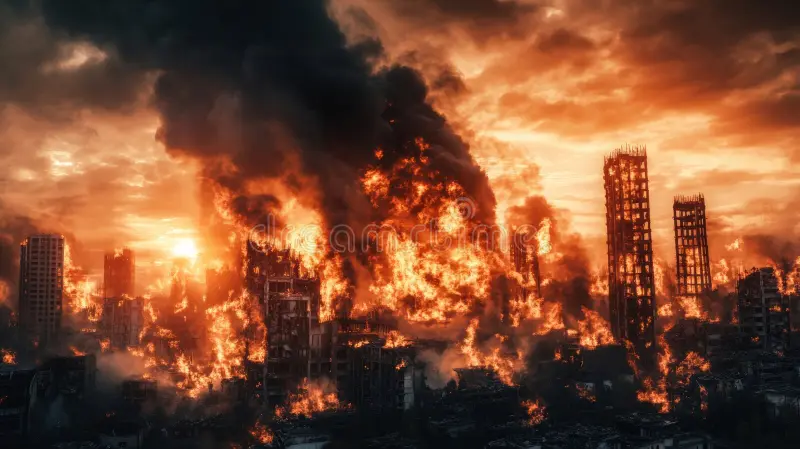
It is almost poetic how neatly we separate our concerns. On one side, we have citizens carefully sorting plastic and debating electric cars. On the other, we have conflicts that consume more fuel in days than some countries do in years. Forests burn, infrastructure collapses, and rebuilding guarantees even more emissions. Yet these events exist in a strange blind spot, like background noise we collectively agreed not to hear too clearly.

The conversation becomes even more surreal when accountability enters the room. Industries are measured, taxed, and pressured. Individuals are nudged into guilt and responsibility. But military emissions often sit comfortably outside the spotlight, wrapped in national security and strategic necessity. It is an elegant loophole, where the largest, most intense bursts of pollution politely excuse themselves from the climate discussion.
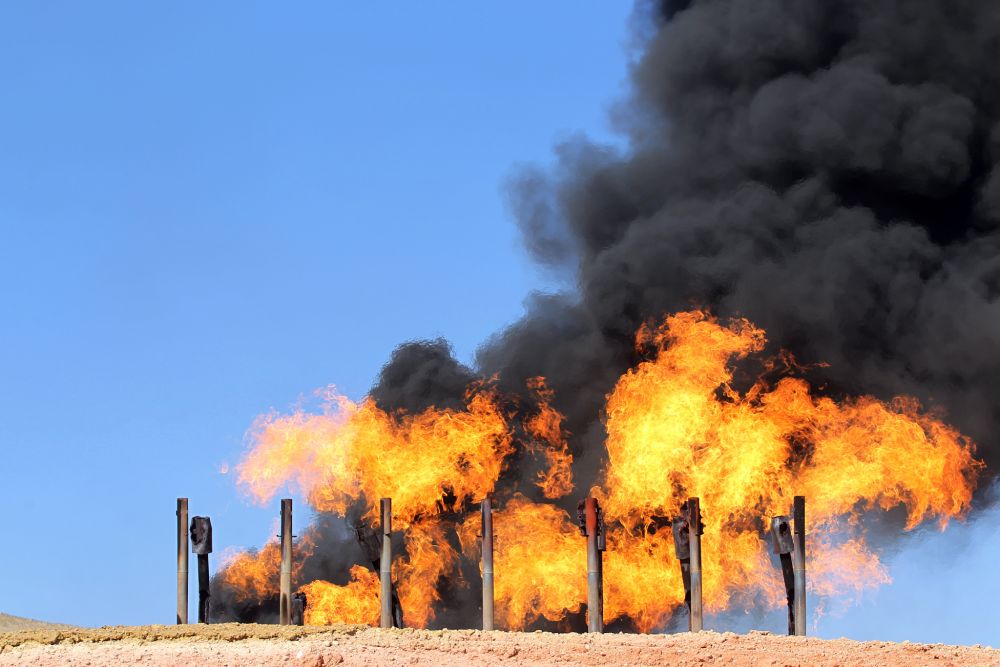
So yes, we celebrate Earth Day. And maybe we should. Awareness has value, and small actions are not meaningless. But the contrast is hard to ignore. It feels like carefully mopping the floor while someone keeps kicking mud through the door. Not madness, exactly, just a very refined ability to look at two conflicting realities and nod at both.

#EarthDay ClimateChange WarEmissions Sustainability Geopolitics Environment RealityCheck