
Something feels off in the world of Big Tech’s green energy race. Northland Power just locked in a fresh power purchase deal with TSMC for its massive Hai Long offshore wind farm off Taiwan’s coast. This isn’t some one-off handshake; it’s an expansion of a quiet 2022 pact that already funneled 744 megawatts from Hai Long phases 2B and 3 straight to the chip giant’s fabs. Now, the final 294-megawatt chunk from phase 2A switches over too, handing TSMC control of the full 1,022-megawatt beast once paperwork clears in 2026. Investigators might wonder: why the rush to consolidate when feed-in tariffs were already paying the bills?
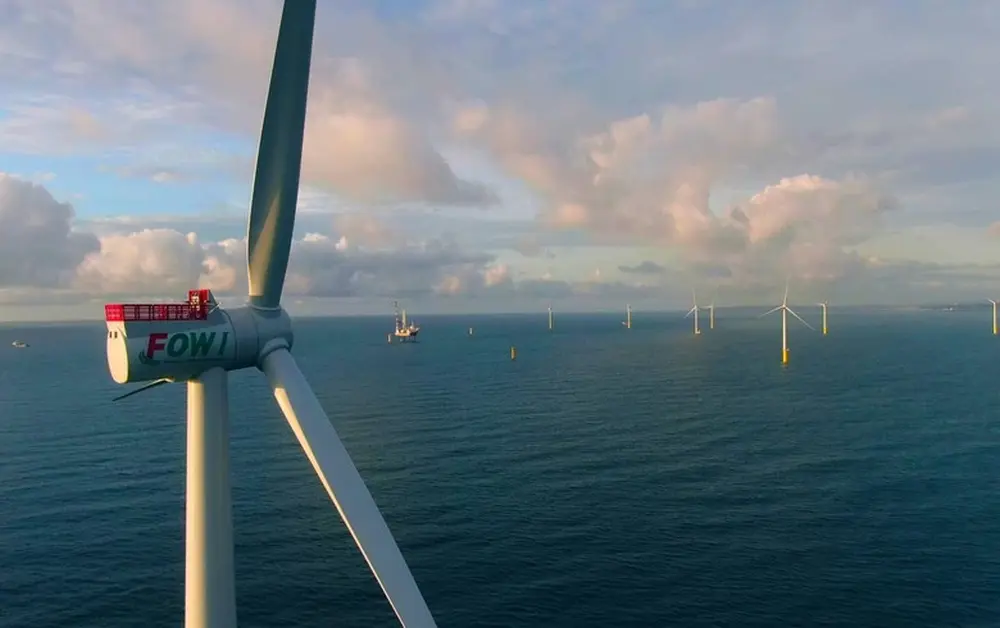
Dig deeper, and the stakes reveal themselves in Taiwan’s choppy waters. Perched 45 to 70 kilometers out in the Taiwan Strait, Hai Long is a joint brainchild of Northland, Japan’s Mitsui, and Malaysia’s Gentari. First turbines spun up mid-2025, with full throttle promised by 2027. Enough juice to light a million homes, or in this case, supercharge TSMC’s insatiable semiconductor plants amid the AI boom. But peel back the press releases, and questions swirl about execution risks: typhoons battering blades, supply chain snarls, and grid upgrades that always seem to lag. Is this a seamless green pivot, or a high-stakes bet on weather and bureaucracy?
TSMC’s fingerprints are all over Taiwan’s renewable sprint. The chip behemoth guzzles power like no other, and it’s gunning for 60 percent renewables by 2030, full net-zero by 2040, shaving years off prior pledges. Corporate buyers like them are snapping up offshore wind to dodge fossil fuels and meet ESG mandates, but skeptics probe the fine print. Will these deals truly decarbonize, or just shift emissions elsewhere while costs balloon for consumers? Taiwan’s eyeing 15 gigawatts of offshore wind by 2035 to hit net-zero by 2050, yet construction delays and local pushback hint at cracks in the facade.
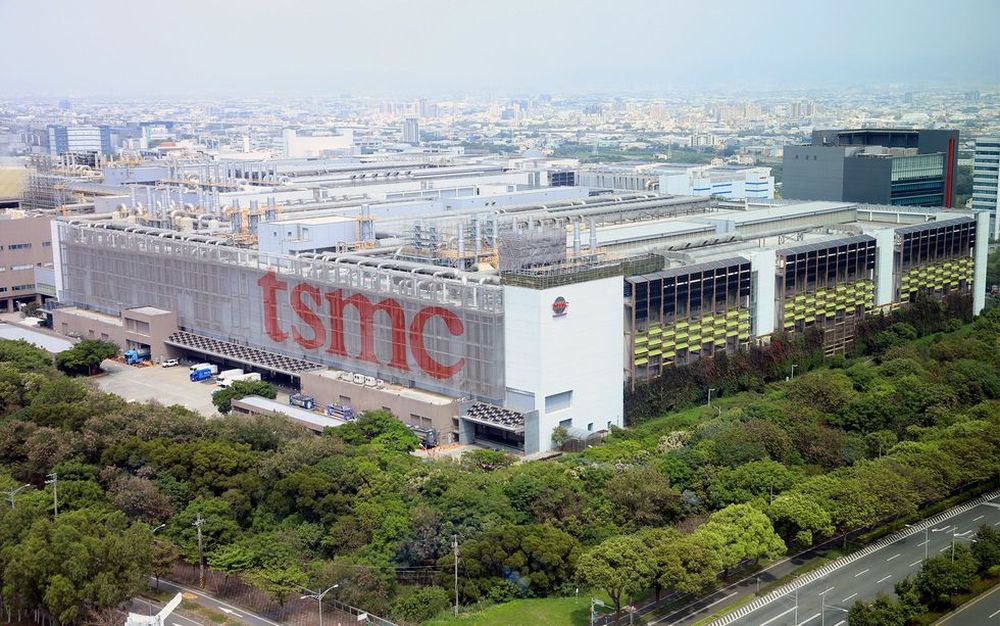
At its core, this deepening tie-up signals a seismic shift in global supply chains. TSMC, powering the AI revolution, can’t afford blackouts or bad optics. Northland and partners are cashing in on the corporate hunger for “green electrons,” but as an investigator, I can’t shake the nagging doubt: in the rush for renewables, who’s really footing the bill for the engineering marvels and the policy gambles? Watch this space; the winds of change might blow harder than expected.

#TSMC #OffshoreWind #Renewables #TaiwanEnergy #GreenTech #HaiLong #NetZero