
Tencent has quietly dropped a bombshell in the world of mobile AI: a 440MB translation model that runs entirely offline on your phone, no internet required. Dubbed Hy-MT1.5-1.8B-1.25bit, this featherweight powerhouse supports 33 languages, including five Chinese dialects and minority tongues, across over 1,000 translation directions. As China gears up for the May Day travel rush, the timing feels deliberate, almost calculated. Developers and curious users can grab it now from open repositories, but what does this mean for the giants like Google Translate? Is Tencent positioning itself to disrupt the offline translation space with ruthless efficiency?
Digging deeper into the tech reveals Sherry, the ternary quantization wizardry that shrinks a 1.8 billion-parameter beast from 3.3GB to pocket-sized perfection. By enforcing a 3:4 sparsity pattern, where three parameters squeeze into 1-bit precision and one goes to zero, it averages just 1.25 bits per parameter. A custom mobile CPU kernel makes it zip through translations in the background, even on low-end devices. A 2-bit sibling at 574MB trades minimal size for near-perfect fidelity to the original model’s WMT25 championship performance. Tencent insists it rivals 235 billion-parameter behemoths, but independent benchmarks will tell if this compression holds up under real-world scrutiny.

Privacy hawks take note: this model processes everything on-device, collecting zero personal data. The accompanying Android demo app introduces a slick background word-capture feature, letting you translate emails or web pages seamlessly without lifting a finger. No cloud pings, no subscriptions, just pure local magic. With iOS support pending, the question lingers: will Apple play ball, or does this expose cracks in their ecosystem? Tencent’s Hunyuan lineup already boasts a 7B cloud version, suggesting this tiny release is merely the vanguard of a larger offline offensive.
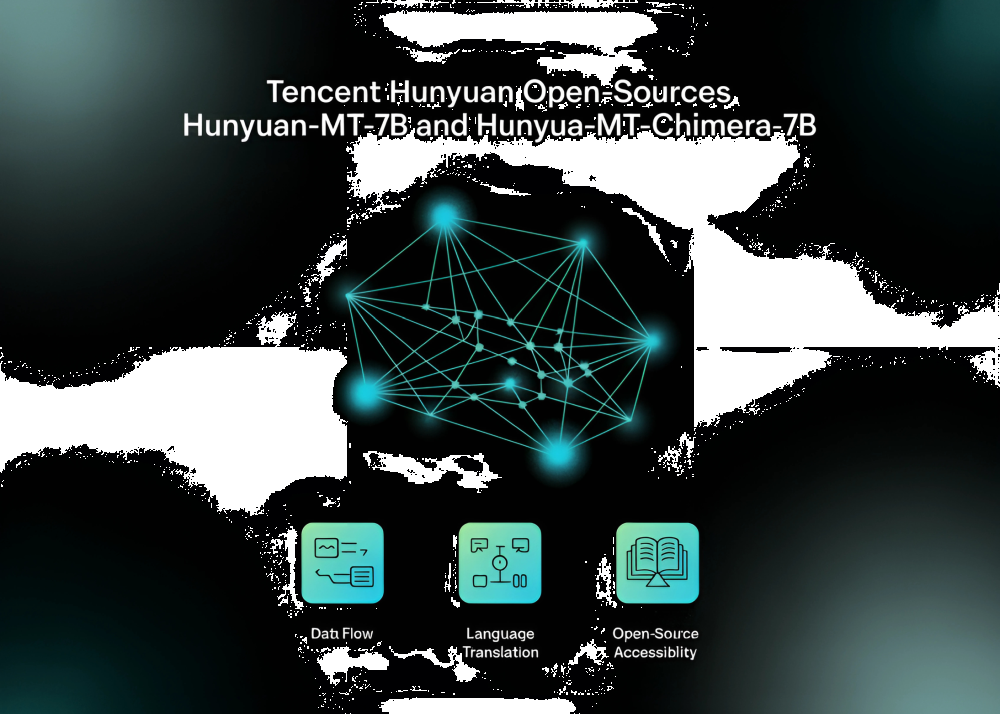
As open-source weights flood developer circles, practical ripples spread fast. Imagine travelers decoding menus in remote dialects or journalists verifying foreign texts without Big Tech oversight. Yet shadows loom: could this fuel misinformation in isolated pockets, or empower regions starved for connectivity? Tencent’s move challenges the status quo, betting that ultra-compact AI democratizes translation. Watch this space; the offline revolution might just rewrite global communication, one compressed parameter at a time.

#TencentHunyuan #OfflineAI #MobileTranslation #AITranslation #PrivacyTech #OpenSourceAI