The Strait of Hormuz stands as the world’s choke point for jet fuel, funneling 21 percent of seaborne supply through its narrow waters. When tanker traffic ground to a halt, Asian airlines felt the shock first and hardest. Carriers from Vietnam to Pakistan slashed schedules as fuel reserves dwindled and prices doubled overnight. China’s abrupt export ban on jet fuel only deepened the crisis, forcing pilots to load extra tanks at departure or detour for mid-flight refueling. Investigators whisper of refinery damage in the Gulf that could drag this nightmare on for months, leaving entire networks on the brink.
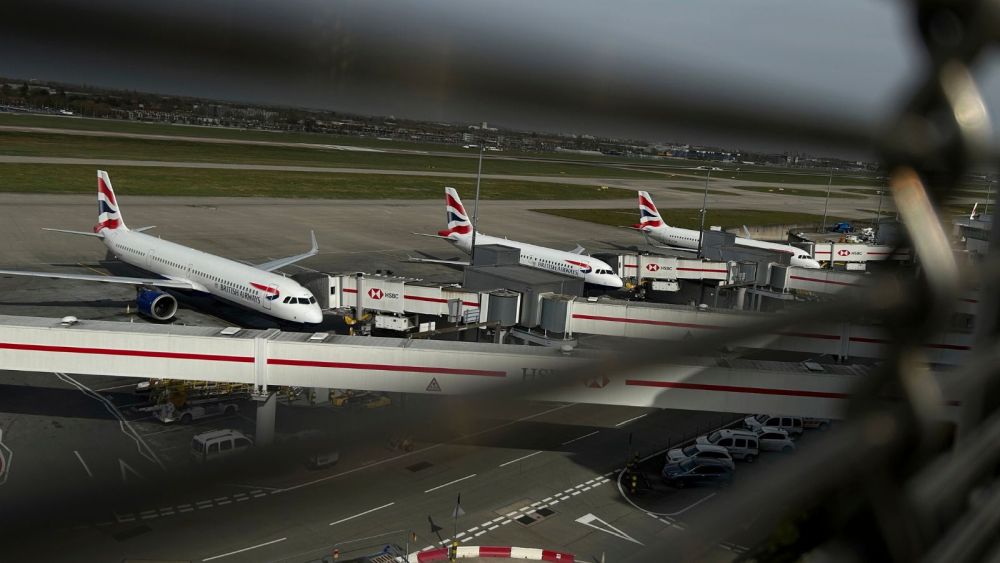
Heathrow Airport paints a picture of short-term resilience masking deeper peril. First-quarter numbers show 18.9 million passengers, a modest uptick fueled by transfers rerouted from shuttered Middle Eastern skies. Yet March brought a brutal 51 percent plunge in Gulf traffic, erasing over 300,000 passengers in weeks. Executives admit the boost from diverted demand feels fragile; with Europe-Asia corridors fractured, the airport braces for prolonged uncertainty. One has to wonder: how long can Heathrow thrive as a reluctant substitute before its own slots and staff strain under the weight?
Singapore’s Changi and Hong Kong are seizing the moment, transforming into vital bridges across the fractured skies. Fill rates on Europe-bound flights from Singapore hit 93.5 percent, while Hong Kong logs surges in long-haul bookings from Australia. These hubs now capture traffic once dominated by Dubai and Doha, which handled a third of the continent-spanning flows. Passengers and airlines pivot swiftly, but experts probe the sustainability: can these airports scale up fast enough, or will bottlenecks emerge as the Gulf void widens?
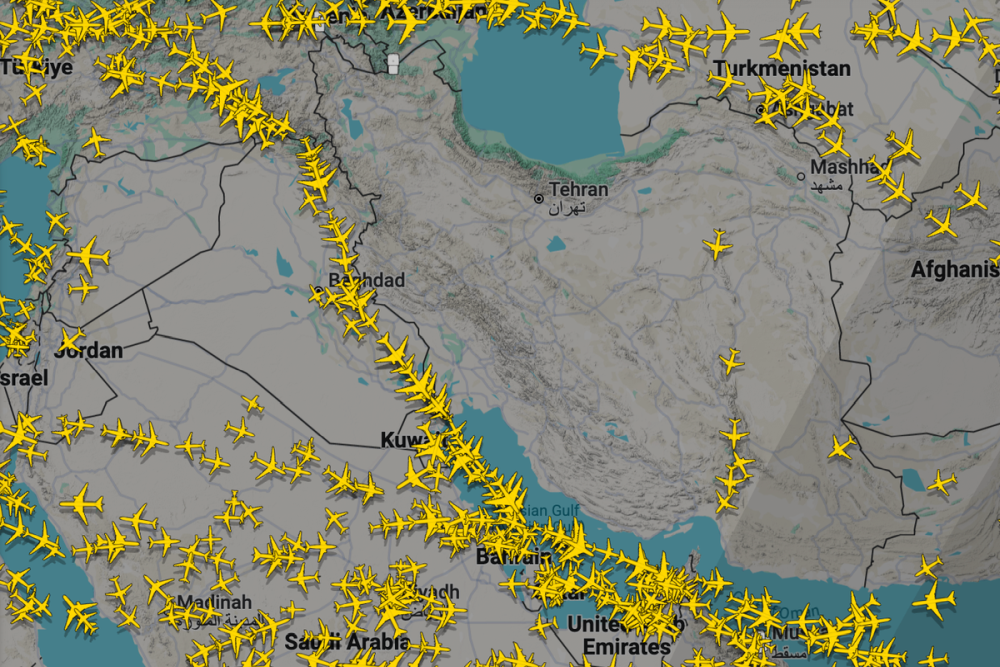
The aviation world hangs in precarious balance. Physical fuel shortages collide with airspace closures, rewriting routes and rationing dreams of seamless travel. As refineries limp back and tankers test reopened straits, the true cost emerges: not just delayed flights, but a reshaped industry where Asian resilience clashes with European hesitation. Investigators watch closely; the next refueling stop could define winners and losers in this high-altitude standoff.

#MiddleEastCrisis #AviationFuel #AsiaAirlines #Heathrow #ChangiAirport #CathayPacific